
FET Implantation Support Meal Plan
2 in 3 frozen embryo transfers do not result in a live birth.
The two-week wait is not passive.
Embryo implantation has 5 distinct phases and each phase has its own nutritional requirements.
A 14-day macro-analysed meal plan for the FET implantation window.
Your embryo transfer has been carefully prepared.
Your nutrition should be too.
By the time you reach frozen embryo transfer, almost everything has been measured, timed or assessed:
- your embryo may have been graded
- it may have been PGT-A tested
- your lining has been measured
- transfer timing may have been refined
- medication has been planned with precision
The FET Implantation Support Meal Plan brings targeted, macro-analysed nutrition to the same high-stakes window.
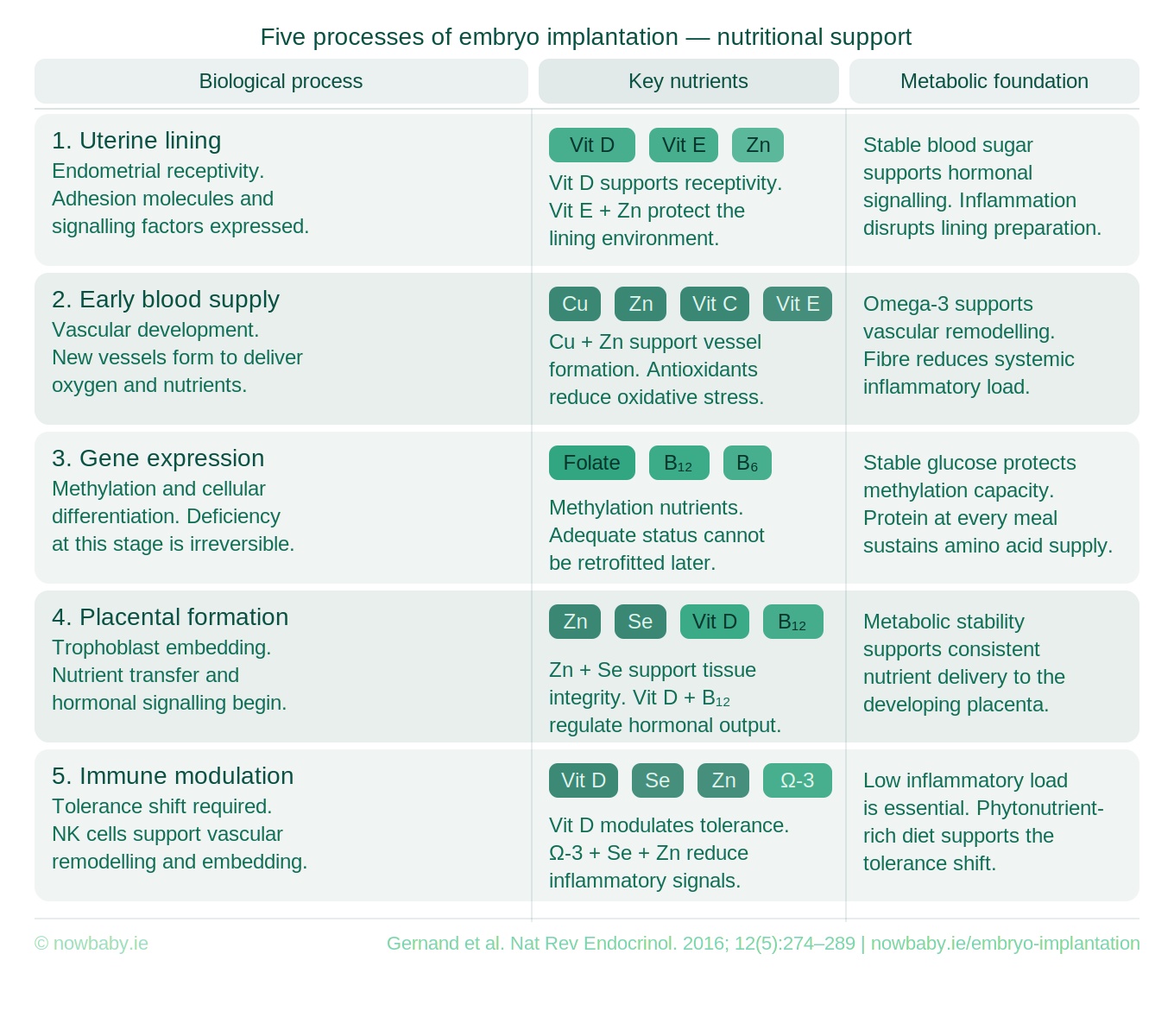
Embryo implantation has 5 distinct phases, and each phase has its own nutritional requirements:
-
Uterine lining receptivity
The lining must be receptive, with adhesion molecules and signalling factors expressed. -
Early blood supply
New vessels begin forming to deliver oxygen and nutrients. -
Gene expression and cellular differentiation
Methylation and cellular differentiation support early development. -
Placental formation
Trophoblast embedding begins, with nutrient transfer and hormonal signalling. -
Immune modulation
The maternal immune response must shift toward tolerance while supporting vascular remodelling.
The Now Baby FET Implantation Support Meal Plan provides targeted nutrition for the implantation window after transfer, delivering the next level of precision preparation for your FET.


Measured not guessed
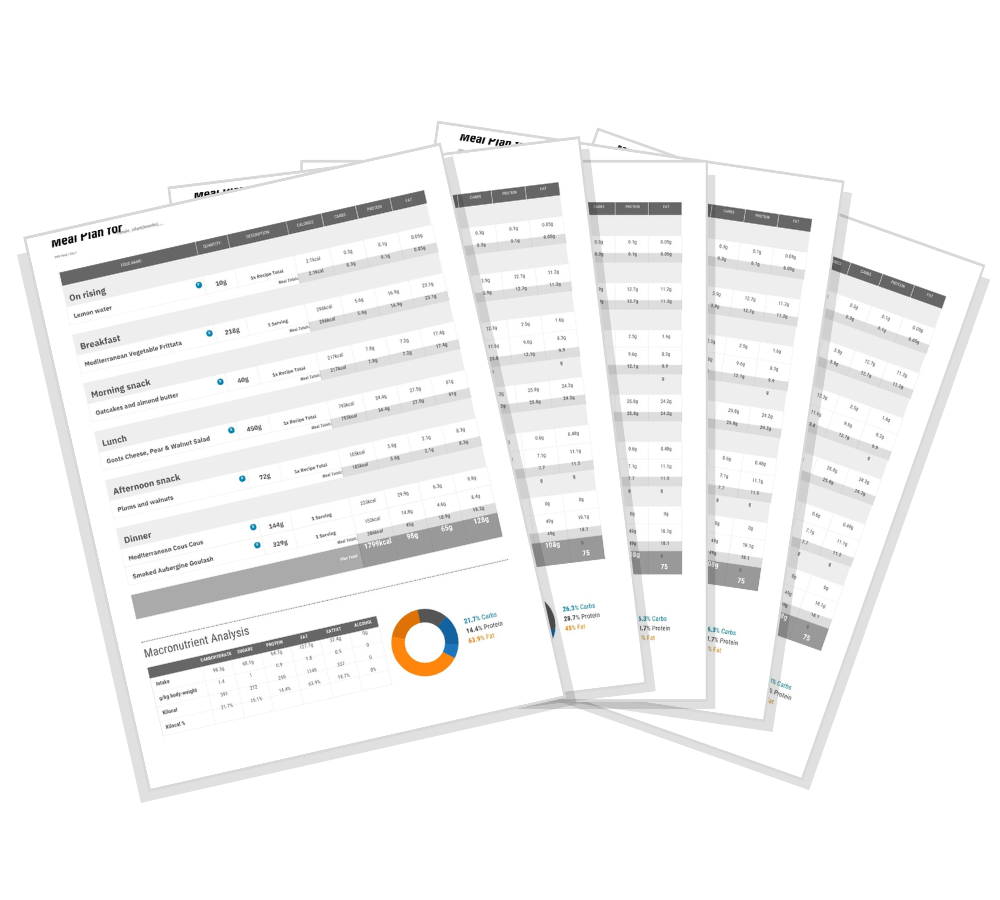
Each day of the plan has been nutritionally analysed for targeted implantation-window support.
You are not left wondering whether you have eaten enough protein, whether your meals are too carbohydrate-heavy, or whether your food gives enough nutritional structure for the days after transfer.
Each day includes measured calories, macronutrients and micronutrient-focused food choices.
- macros support metabolic stability
- micros provide the nutrients needed for implantation biology
Meals and timings are designed specifically for the implantation window after FET, using simple, easily available foods.
Inside the FET Implantation Support Meal Plan
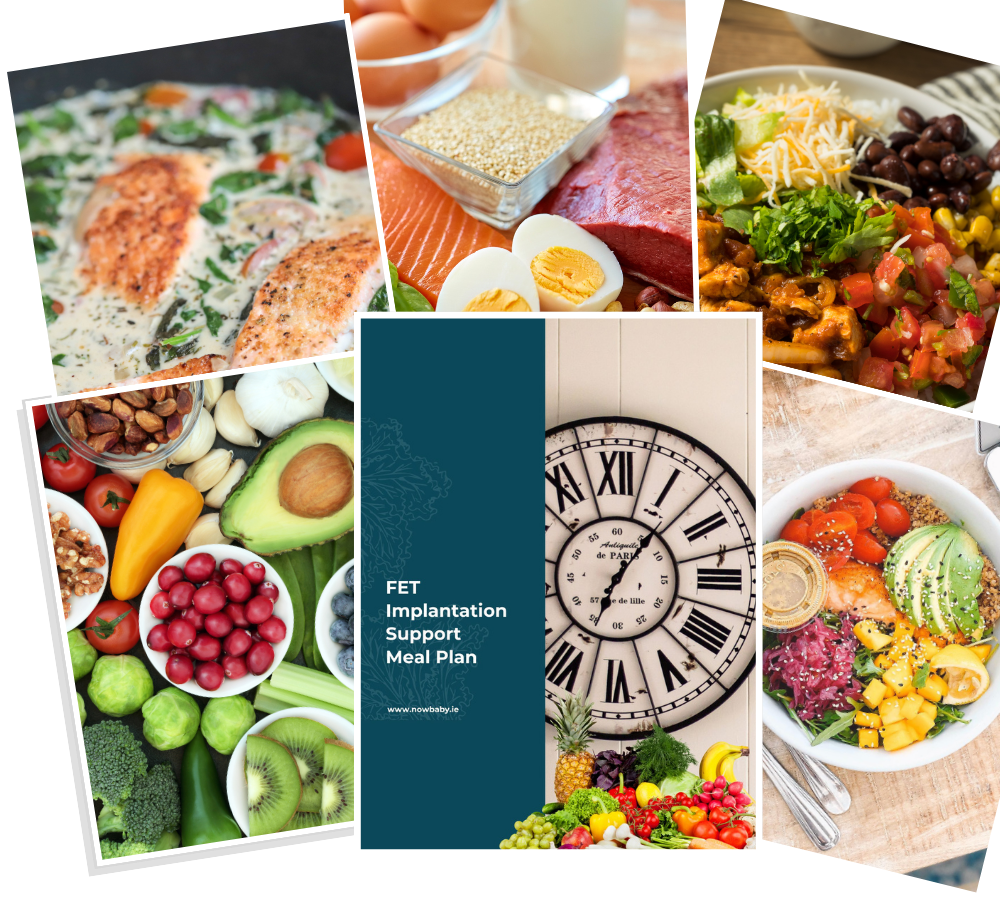
The 80+ page digital ebook includes:
- 14 days of meals for the implantation window after frozen embryo transfer
- full-day meal structure
- breakfasts, lunches, dinners and snacks
- simple recipes using accessible foods
- food photographs to show the meals clearly
- weekly shopping list
- batch cooking options
- timing guidance for meals across the days after transfer
- food structure aligned with the five biological phases of embryo implantation
This is for the woman who has done the work.
This plan is for you when you are ready for your frozen embryo transfer — and you want the nutritional layer to be as structured as the rest of the process.
It is especially relevant when:
- your FET is coming up
- you have had a previous failed FET
- you are transferring an untested embryo
- you are using donor eggs
- you are using your own eggs
- you have invested in PGT-A, EMMA/ALICE, ERA or other investigations
- you want to move beyond forum advice, lucky foods and guesswork
- you want professionally designed nutrition to follow through the implantation window
The embryo has been transferred.
Now implantation begins.

IVF success has 3 interdependencies. By the time you reach FET only one lever is remaining.
Sperm health
Sperm deliver 50 % of the genetic instruction for your baby. Even if the semen analysis was fine by today’s standards, supporting sperm health is a key part of preparing for conception.
Egg quality
The IVF process requires a much higher number of eggs to mature in a shorter period of time. This takes intensive energy. Ensuring your body has those resources available is important for supporting egg maturation and overall reproductive health.
Nutritional status
Egg quality matters.
Sperm health matters.
But after transfer, the third part of the trifecta comes sharply into focus: the mother’s nutritional status at implantation.
This is the phase where the embryo, lining, immune response, blood supply and nutrient availability begin to interact.
The FET Implantation Support Meal Plan focuses on this third part of the trifecta: targeted nutrition for the implantation window after transfer.
Around 2 in 3 frozen embryo transfers do not result in a live birth.
When the odds are this hard, the implantation window deserves more than uninformed food decisions.
For €87 the FET Implantation Support Meal Plan gives you targeted nutrition for the days after transfer, so this part of your FET precision preparation is measured, planned and ready.

Live birth is the only success outcome
2 out of 3 frozen embryo transfers do not result in a live birth.
At Now Baby, we have seen perfect preparation fail at the last hurdle.
Even with:
- Excellent grading
- Euploid embryos
- ERA
- ICSI
- Zymot
And we kept asking why.
The Gerard et al. 2016 review in Nature Reviews Endocrinology made the implantation framework clearer: embryo implantation is not one event. It unfolds through distinct biological processes, each with specific nutritional requirements.
After more than 20 years of fertility nutrition work and 600+ babies born after Now Baby support, this became the next step: translating that implantation framework into targeted nutrition for the phase after transfer.
This meal plan is the professional implementation of that framework — turning the nutritional requirements of embryo implantation into everyday food for a two-week wait that is not passive, but biologically active.
From women who reached this same waiting place
Male factor infertility and multiple failed IVFs
We had male factor infertility and IVF was our only option — but it didn’t work.
We tried IVF multiple times and had numerous failed FET. I couldn’t understand why they wouldn’t stick.
I have polycystic ovaries, but PCOS had never really been considered as part of our fertility journey because all the focus had been on my husband’s issue.
With just 2 frozen embryos remaining the stakes were high. Once I understood that my insulin resistance could be a factor, this nutrition support made complete sense.
The result was not one, but two successful implantations — and our ready-made family of a boy and a girl.
Multiple failed FETS
After several failed IVF cycles and being told sperm quality was a concern, facing another two-week wait felt overwhelming.
Having a clear nutritional structure during this phase helped me feel more steady and focused on what I could control. My beta levels came back strong and continued to rise well over the following days, which gave me real reassurance that implantation had progressed well.
FET success first time
IVF was tough.
I developed OHSS with my PCOS so my embryo had to be frozen and transferred later. The two-week wait after transfer felt very intense emotionally. Following the implantation meal plan gave me a clear daily structure at a time when everything else felt uncertain. It helped me stay focused on supporting my body rather than over-analysing every symptom.
Questions about the FET Implantation Support Plan
When should I start this?
Start the day after transfer and continue until your beta test. Don’t stop just because you get an earlier positive.
My embryo is euploid - will I still benefit from this?
Yes. You have been very thorough with your embryo, and success rates for euploid embryos are higher than untested embryos, but still not guaranteed.
You didn’t come this far to wing the final phase.
My transfer is medically supported - do I need this as well?
This is nutrition support for the 5 phases of implantation. It works alongside medicated support, not instead of it.
I’ve had immune suppression before transfer — do I still need this?
Your clinic plan is the medical layer. This nutrition support is the food-based layer underneath it.
Suppression may help calm immune activity, but your body still has to provide the nutrients, blood sugar stability and metabolic signals needed during the implantation window. This is designed to work alongside your clinic protocol, not replace it.
I am transferring 2 embryos — does this still apply?
Yes. If you are transferring two embryos, the implantation window still needs the same support.
This plan does not change your clinic’s transfer decision. It simply supports the 5 phases that follow transfer, when one or both embryos may be trying to implant.
Are supplements not enough?
Great question! The fundamental part of this nutrition plan is to establish metabolic stability so that all relevant signaling between you and your embryo is heard and responded to correctly. Supplements don’t provide that level of support.
What happens if I get an early positive?
All 5 phases must complete in order for the pregnancy to continue to the next phase. Pregnancy hormones may fluctuate in the early phases, so continue to support your embryo until you have got your clinic beta result.
Is this a special type of food?
Absolutely not, it is simple whole food, meat, fish, vegetables and complex carbohydrates.
What makes it ‘special’ is the combination, per meal and per day, targeted to support the conditions for embryo implantation during a very specific window.
I am already in TWW - am I too late?
No. Start today. The implantation phase unfolds over several phases, and support is still valuable even if you are already in the two-week wait.
Is this for frozen embryo transfer only?
Yes. This version is written specifically for frozen embryo transfer, where the implantation phase starts after transfer without the immediate recovery demands of egg collection.
If you are having a fresh transfer, I have a separate Fresh Embryo Transfer version using the same 5-phase implantation support system, adjusted for the post-collection window.
What should I eat after embryo transfer?
After embryo transfer, focus on wholefood meals with protein, healthy fats, vegetables and complex carbohydrates. This plan gives you the exact meals and timing so you are not guessing during the two-week wait.
What foods should I avoid after FET?
Avoid anything your clinic has specifically advised against. Beyond that, this plan focuses less on fear-based restriction and more on consistent, nourishing meals that support blood sugar stability, digestion and implantation signaling.
Can this help if I’ve had failed implantation before?
If you have had previous failed transfers, this gives structured support for the implantation window rather than leaving the final phase to chance. It does not replace investigation or clinic care, but it helps you support the conditions your body can influence with the right nourishment.
Is this suitable after recurrent implantation failure?
Yes, it may be useful as nutritional support alongside your clinic’s recurrent implantation failure plan. It is not a substitute for medical investigation, but it gives you a practical food-based structure for the implantation phase..
Can I use this with progesterone, oestrogen, aspirin, steroids or blood thinners?
Yes, this is food-based support and is designed to sit alongside your clinic protocol. Do not change any medication or supplement plan without your clinic’s advice.
Is this suitable for donor egg / donor embryo transfer?
Yes. Donor egg and donor embryo transfers still depend on the implantation environment after transfer. This is first contact for you.
The plan supports the recipient side of the process during that window.
Is this suitable for IVF over 40?
Yes. If you are over 40 and preparing for FET, the implantation window absolutely deserves structured support. This plan focuses on the post-transfer environment rather than egg quality.
Will this increase my implantation chances?
No nutrition plan can guarantee implantation or live birth. This plan is designed to support the conditions involved in implantation, so you can feel clear, prepared and nourished throughout this biologically active phase.
Do I need to cook every day?
No. The plan is designed to be simple and manageable, with meals you can prepare without spending the two-week wait constantly thinking about food.
FET Implantation Support Meal Plan
You have been asking yourself, “What else can I do to make this work?”
Start this plan knowing this tender and timely support can help you feel more prepared, more nourished, and more hopeful — so the next few weeks are not just about waiting, but about giving your embryo the support it deserves.