Is Your Fertility Being Impacted by Everyday Toxins?
When people think about fertility challenges, it’s easy to focus on the “big things”: irregular cycles, PCOS, low AMH, endometriosis, or age-related fertility decline. But everyday habits and products can also influence reproductive health in quieter, less obvious ways.
These exposures add up over time — a concept often called toxic load. Our liver and detox pathways work hard to keep the body in balance, but constant low-level exposure to chemicals can place extra demand on those systems.
This doesn’t mean you need to fear your environment. Instead, it’s about becoming aware of common sources of exposure and making practical choices that reduce unnecessary load.
In this post, we’ll explore three main routes toxins enter the body — ingestion, inhalation, and absorption — and how to make simple swaps that lighten the load.
Ingestion: What Goes In Through Food and Drink
Food is nourishment, but it can also carry substances you didn’t ask for.
-
Pesticides and fertilisers can remain as residues on crops.
-
Food packaging and cookware may introduce chemicals such as PFOAs, sometimes called “forever chemicals,” that persist in the body and may influence hormone balance.

-
Burnt or heavily processed foods form compounds that add to toxic load.
-
Chewing gum releases ingredients that are absorbed along with saliva.
-
Water can contain halogens such as chlorine or fluoride. Reboiling water repeatedly may also concentrate minerals.
-
Microplastics are now so widespread that they have been detected in human placentas, highlighting just how pervasive environmental exposure has become. While the full impact is still being studied, their presence raises important questions for fertility and pregnancy.
💡 Practical step: Wash produce thoroughly, use fresh water for boiling, consider stainless steel or cast-iron cookware over scratched non-stick pans, and reduce reliance on single-use plastics where possible.
Inhalation: The Air You Breathe
Breathing seems simple, but the air indoors can carry more than just oxygen.
-
Fragrance products such as air fresheners, scented candles, and sprays often contain phthalates — chemicals that make scents last longer.
-
Volatile Organic Compounds (VOCs) are also released from fire-retardant finishes on sofas, mattresses, and even some pillows.

Phthalates, Implantation, and Early Miscarriage
Phthalates are of particular concern when trying to conceive. Research has found higher levels of certain phthalates associated with reduced implantation success and a higher likelihood of very early miscarriage sometimes called a chemical pregnancy.
💡 Powerful stat: Women undergoing IVF with the highest DEHP phthalate exposure had a 38% chance of clinical pregnancy per cycle, compared with 57% for those with the lowest exposure.
While studies don’t prove cause and effect, they highlight how everyday inhaled exposures can accumulate and affect reproductive outcomes.
💡 Practical step: Choose fragrance-free personal care and cleaning products, and ventilate indoor spaces regularly.
Absorption: What Touches Your Skin
What goes onto the skin doesn’t always stay there — ingredients can enter the bloodstream within seconds.
-
Hand sanitisers and soaps may contain triclosan, a chemical with potential hormonal effects.
-
Till receipts are often coated with BPA, an oestrogen-mimicking compound that transfers to the skin on contact. Casual handling of receipts here and there may not seem like much — but for retail workers handling them all day, exposure is far greater. This highlights how your job itself can sometimes be part of the fertility problem landscape, adding to the overall toxic load.

-
Disposable period products can contain bleach residues, dioxins, or plastics — factors worth considering for women with endometriosis or painful periods, where reducing inflammatory load is especially important.
-
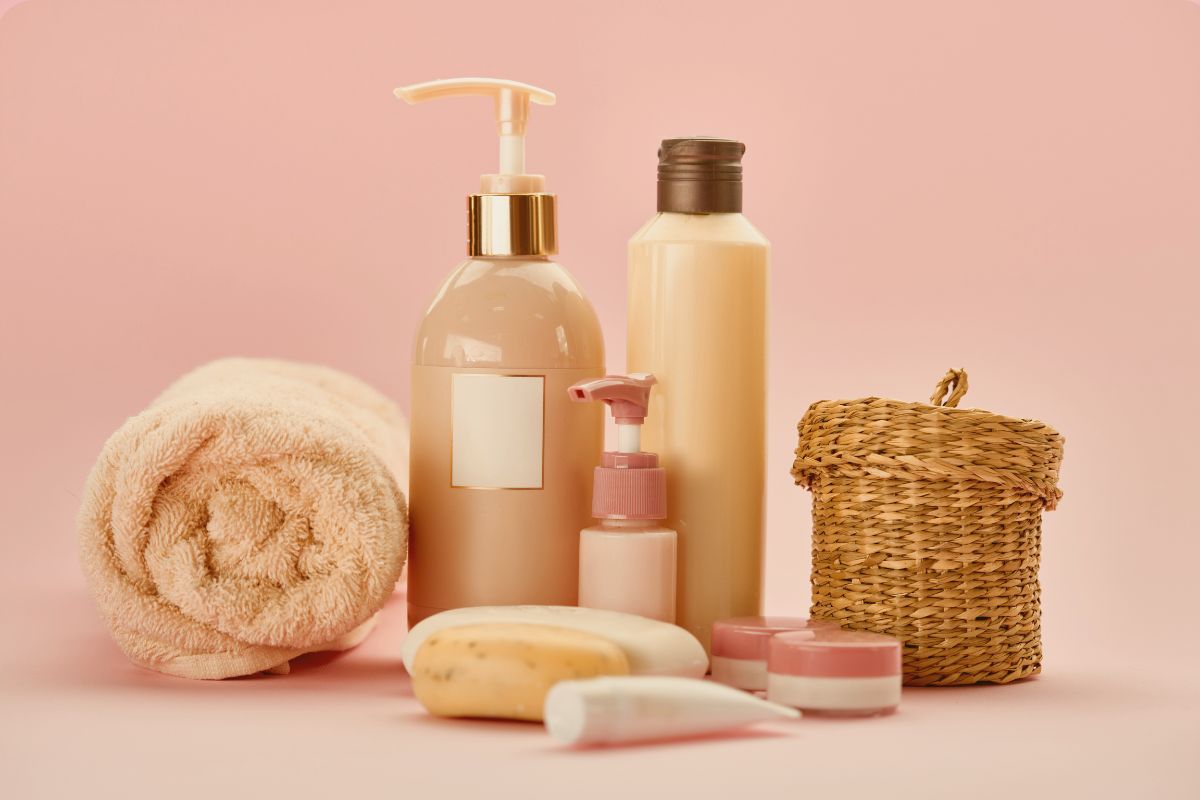
Shampoos and shower gels often use preservatives like sodium benzoate, another compound with oestrogen-like activity.
💡 Eye-catching study: BPA has been detected in the urine of over 90% of people tested in US, showing just how universal exposure has become.
💡 Practical steps:
-
Opt for BPA-free or digital receipts where possible.
-
Explore reusable menstrual products such as cups or period underwear.
-
Look for personal care items labelled “fragrance-free” or “BPA-free.”
Reducing Toxic Load on the Fertility Journey
It isn’t possible to avoid every chemical — and that’s not the goal. Normally, we’re told “the dose makes the poison” — meaning a substance only becomes harmful if you’re exposed to a large enough amount. But endocrine-disrupting chemicals don’t behave that way. They act like hormones, and hormones work in tiny, whisper-small amounts. This means even low levels of exposure can influence the signals your reproductive system relies on.The real aim is to make small, mindful choices that reduce unnecessary exposures so your body can use its energy and nutrients for healthy function.
For women with PCOS, endometriosis, low AMH, or recurrent miscarriage, this can be an important part of creating a more supportive environment for conception (see personalised pre-conception support options).
Ready for clarity about what actually matters for your fertility — without overwhelm?
Bring your questions, leave with clarity – Book your Fertility Focus Hour here
Key Takeaway
Toxic load isn’t about a single product or one bad habit. It’s the accumulation of many small exposures over time. By making thoughtful swaps — from cookware to candles to shampoo — you can reduce that load and support your body’s natural balance when trying to conceive.