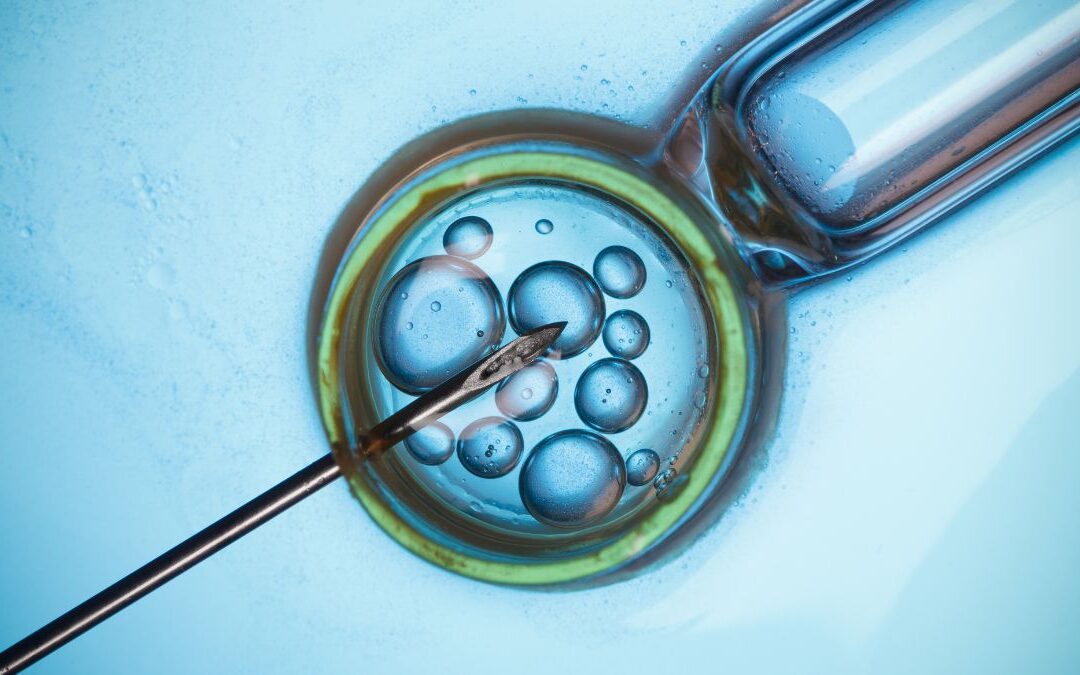
By the time you reach embryo transfer, the focus shifts from fertilisation outcomes to the moment your embryo is placed into your uterus. Transfer timing now influences how implantation begins and how early pregnancy stabilises in your body.
How embryo development differs between day 3 and day 5
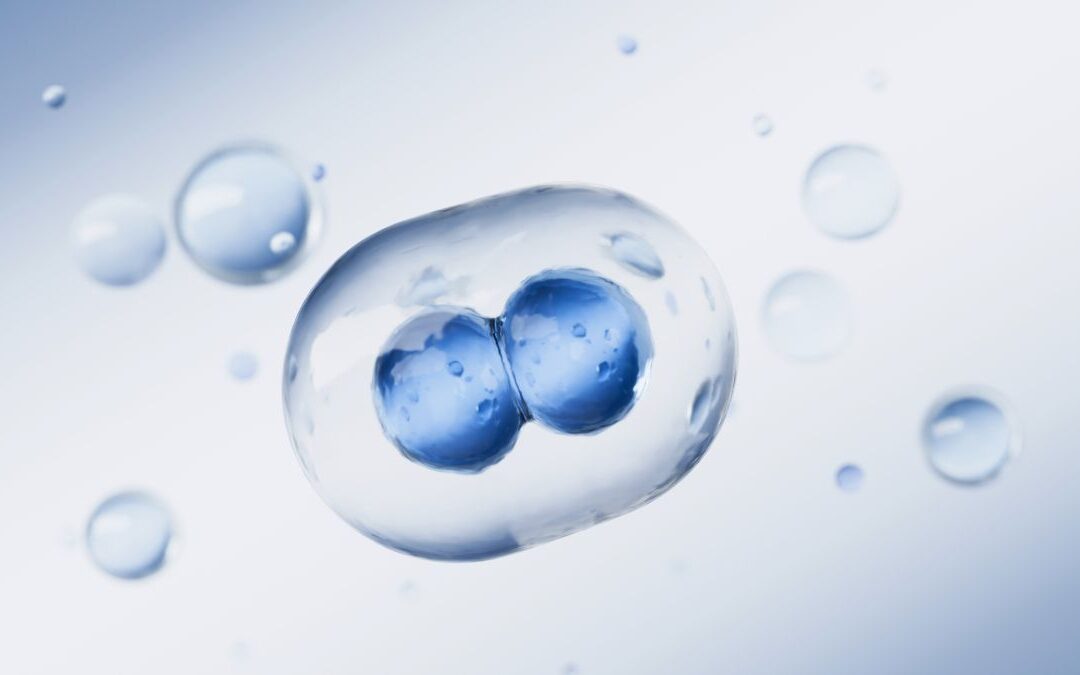
At day 3, your embryo is at the cleavage stage. Cells are dividing, but implantation structures have not yet formed.
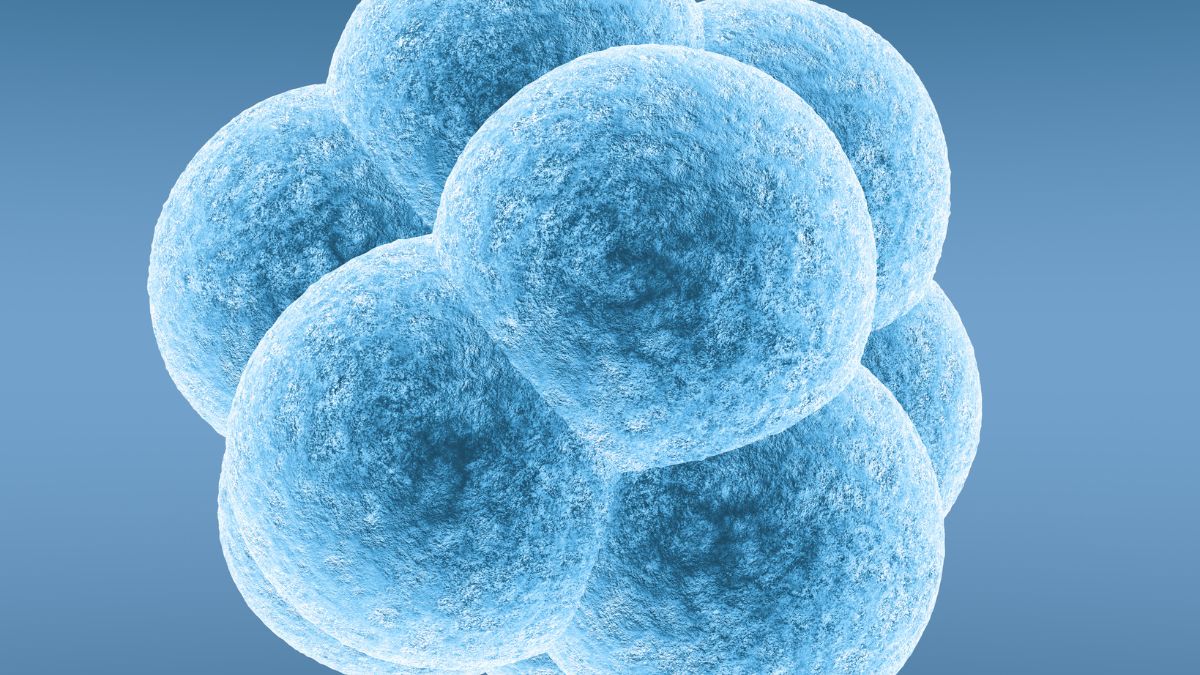
By day 5, your embryo has developed into a blastocyst. Fluid expansion has occurred. The inner cell mass and trophectoderm are now distinct. Early developmental direction toward fetal tissue and placenta is already established.
This stage difference affects how prepared your embryo is to initiate implantation signalling after transfer.
How transfer timing shapes the start of implantation
When a day-3 embryo is transferred, development must continue within your uterus before implantation dialogue can begin. Your body supports further cellular organisation, blastocyst formation and metabolic activation during the first post-transfer days.
With a day-5 blastocyst transfer, these early developmental steps have already occurred. Implantation signalling may begin sooner because structural readiness has been reached.
This difference changes how rapidly biological demand increases across the implantation window and how precisely physiological stability must be maintained.
Embryo implantation has 5 distinct phases and each must complete successfully for pregnancy to continue. The two week wait is not a passive, wait and see phase, it is biologically active.
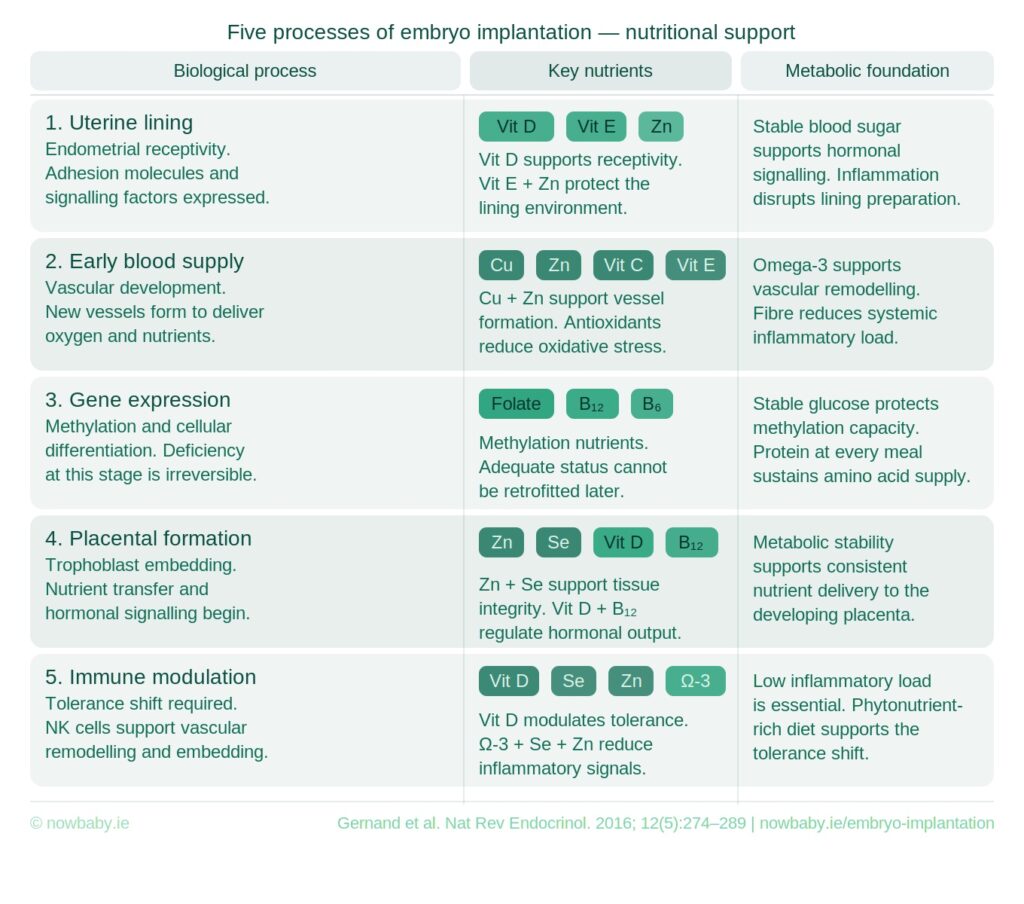
It requires metabolic stability and nutrient availability, not something that can be achieved with supplements. The Now Baby Implantation Meal Plan provides targeted nutritional structure during the post-transfer phase, supporting circulation signaling, immune tolerance and early pregnancy support structures as implantation establishes.

What research shows about success rates
Across many IVF programmes, day-5 blastocyst transfer is associated with higher implantation and clinical pregnancy rates per transfer than day-3 transfer. Embryos that reach blastocyst stage have demonstrated sustained developmental progression, which supports more confident selection at the point of transfer.
However, transfer timing interacts with embryo cohort size, developmental pace and previous treatment history. When embryo numbers are limited or progression is slower, earlier transfer may preserve overall opportunity by allowing the uterine environment to support continued development.
Implantation success therefore reflects biological timing combined with individual cycle dynamics rather than transfer day alone.
Genetic testing considerations
Pre-implantation genetic testing requires access to trophectoderm cells that are present once the embryo reaches blastocyst stage. For this reason, genetic testing is performed on day-5 or later embryos and is not available at the day-3 cleavage stage.
This factor can shape transfer planning when genetic screening forms part of your treatment pathway.
Synchronisation between embryo stage and endometrial receptivity
Implantation depends on precise alignment between embryonic signalling and the receptive phase of your endometrium. Hormonal steadiness, vascular responsiveness and immune tolerance mechanisms all contribute to this timing window.
A day-3 transfer requires sustained physiological stability while development continues internally.
A day-5 transfer requires immediate coordination between an already differentiated embryo and the uterine surface.
In both scenarios, implantation progresses through strengthening attachment signals, adaptive circulation patterns and rising metabolic demand.
As implantation advances after transfer, your embryo deepens biological communication with your body, expands vascular integration and moves toward sustained early pregnancy development.