Egg quality depends in part on an egg’s ability to maintain the integrity of its DNA throughout development — from before birth to ovulation. Oocytes contain DNA-damage response and repair systems that help protect their genetic material.
DNA damage happens naturally in all cells. Normal metabolism produces reactive molecules that can affect DNA, while environmental exposures and inflammation can add further oxidative stress.
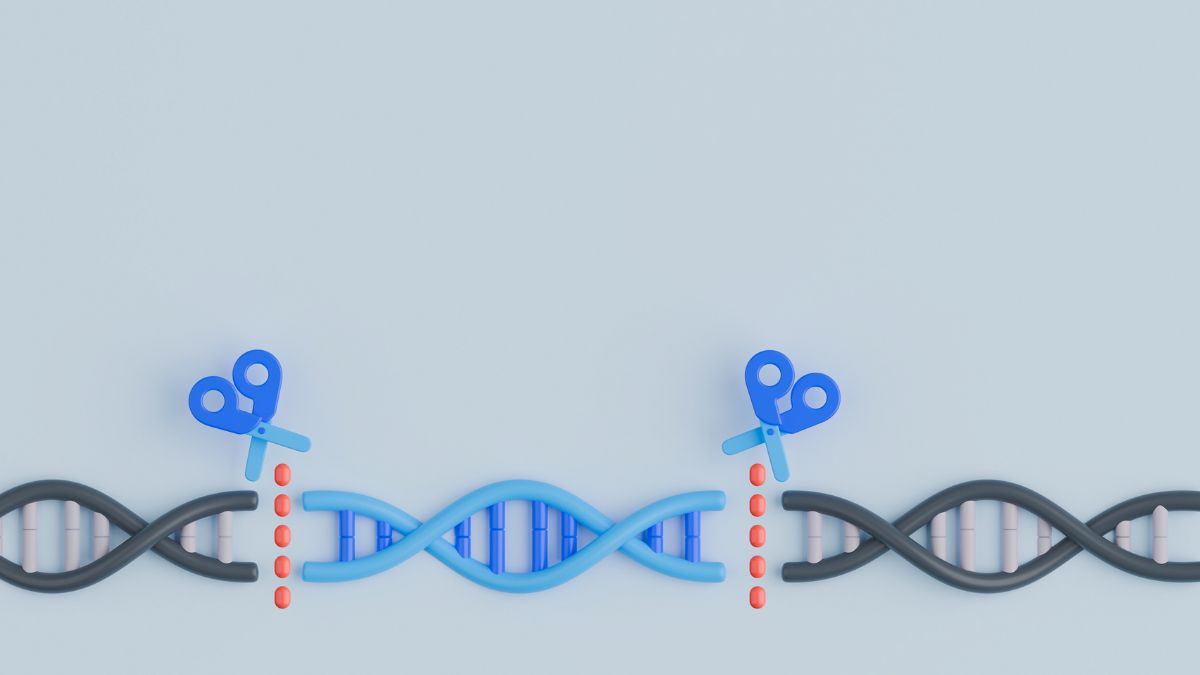
When damage is detected, some repair pathways remove the affected section and rebuild it using an undamaged strand as a guide. Oocytes can repair some forms of DNA damage. When damage is severe, the egg can activate a response that leads to its loss.
Egg Development Begins Before Birth
Egg development begins long before adulthood.
When a baby girl is developing in the womb, her ovaries form the supply of oocytes she will carry throughout life. Oocyte numbers peak at around 16 to 20 weeks of gestation, then decline before birth.
During this stage:
- cells that will become eggs multiply rapidly
- DNA is copied as these cells multiply
- chromosomes exchange genetic material
This reshuffling of genetic material is a normal part of egg formation. It involves DNA breaks that repair systems must resolve so chromosomes can connect correctly.
Once this stage is complete, the eggs pause in an early stage of development and remain stored in the ovary.
Every egg released during adulthood therefore began its life before birth.
Ongoing DNA Maintenance Throughout Life
Although eggs remain paused in the ovary for many years, they are not completely inactive. Oocytes retain DNA-damage response and repair systems during this long pause. Research has shown that oocytes can repair some forms of DNA damage during this stage.
Over time, some eggs accumulate too much damage. When this happens, the egg can activate a response that leads to its loss as the follicle undergoes atresia.
DNA-damage responses can contribute to oocyte loss.
DNA Repair During Egg Development
Oocytes have DNA-damage response and repair systems during their long pause in the ovary.
As a follicle grows in the months before ovulation, the egg becomes metabolically active again and continues to mature. Its repair systems remain part of the ongoing processes that maintain its genetic material..
Factors That Increase DNA Damage in Eggs
The egg’s repair systems are powerful, but they are not unlimited. When DNA damage accumulates faster than it can be repaired, the risk of problems with genetic material increases.
Smoking
Cigarette smoke contains chemicals that can directly damage DNA and generate oxidative stress.
These compounds circulate through the bloodstream and reach ovarian tissue, where they can affect both the egg and the surrounding follicle cells.
Vaping
Vape aerosols can contain nicotine, ultrafine particles, trace metals from heating coils and chemical by-products created during heating.
Nicotine exposure has been found to increase a marker associated with DNA-damage response in primordial-follicle oocytes.
Early data suggest that e-cigarettes can harm reproductive health.
Chronic Inflammation
DNA damage is not only caused by toxins.
Chronic inflammation within the body can increase oxidative stress and the number of reactive molecules that interact with DNA.
Common contributors include:
- insulin resistance, often linked to PCOS
- ultra-processed food
- metabolic instability
- ongoing inflammatory conditions such as endometriosis
Stress and Oxidative Load
Long-term psychological stress can influence cellular physiology. Stress can affect the ovary, follicle and oocyte.
Elevated stress hormones are associated with increased inflammatory signalling and oxidative stress, which can increase the burden of DNA damage the egg must repair.
Nutrients That Support DNA Repair
DNA repair relies on enzymes, the building blocks needed to synthesise DNA, and protection against oxidative damage. Deficiencies can disrupt these processes, leading from DNA damage to chromosomal instability.
Zinc
Zinc plays a direct role in DNA repair and replication. Many repair enzymes require zinc, and zinc also helps stabilise DNA structure.
In reproductive cells, zinc supports chromosome stability and normal cell division during follicle development.
Folate
Folate provides the building blocks needed to synthesise DNA. When damaged sections of DNA are replaced, the cell must create new nucleotides using folate-dependent pathways. Folate is involved in DNA metabolism and repair.
Vitamins B6 and B12
These vitamins work alongside folate in methylation pathways that support DNA synthesis and repair.
Selenium
Selenium supports antioxidant enzymes such as glutathione peroxidase, which help control oxidative stress inside cells. By reducing oxidative damage, selenium helps limit the amount of DNA repair required.
Vitamin E
Vitamin E protects the fats that form cell membranes from oxidative damage.
Magnesium
Magnesium acts as a cofactor for enzymes involved in DNA replication and repair and helps stabilise DNA structures during cellular processes.
How Age Influences DNA Repair in Eggs
Age is one of the most significant influences on egg quality.
The issue is not simply that eggs become older. Expression of key DNA-repair genes declines with age in human oocytes. Ageing is also associated with the accumulation of DNA damage in oocytes.
Ageing is also associated with reduced mitochondrial efficiency in eggs. Because DNA repair requires cellular energy, reduced mitochondrial function can limit the egg’s ability to repair damage during its final stages of development.
As eggs age, the likelihood of chromosomal errors during egg maturation increases. Chromosome cohesion and spindle function are also involved in age-related errors in human eggs.
Why This Biology Matters
Healthy eggs are not simply eggs with intact DNA. They are eggs that still have the cellular energy and repair systems needed to maintain that DNA.
As an egg develops, DNA-repair pathways respond to damage and help protect its genetic material.
During the months before ovulation, the egg completes its final stage of development within a growing follicle. DNA maintenance is part of the egg’s development throughout life; this final growth period brings increased metabolic activity as the egg matures. Normal follicle maturation depends on the metabolic environment within the follicle.
While individual nutrients are studied for targeted aspects of fertility, the Mediterranean diet has been widely studied in relation to live birth outcomes. It combines fertility-essential nutrients into regular meals that also support the metabolic stability within the follicle, which is required for normal maturation.
The Now Baby Mediterranean Fertility Protocol is a professionally designed plan supporting both metabolic stability and nutrient availability for both partners throughout the final 90 days before ovulation.