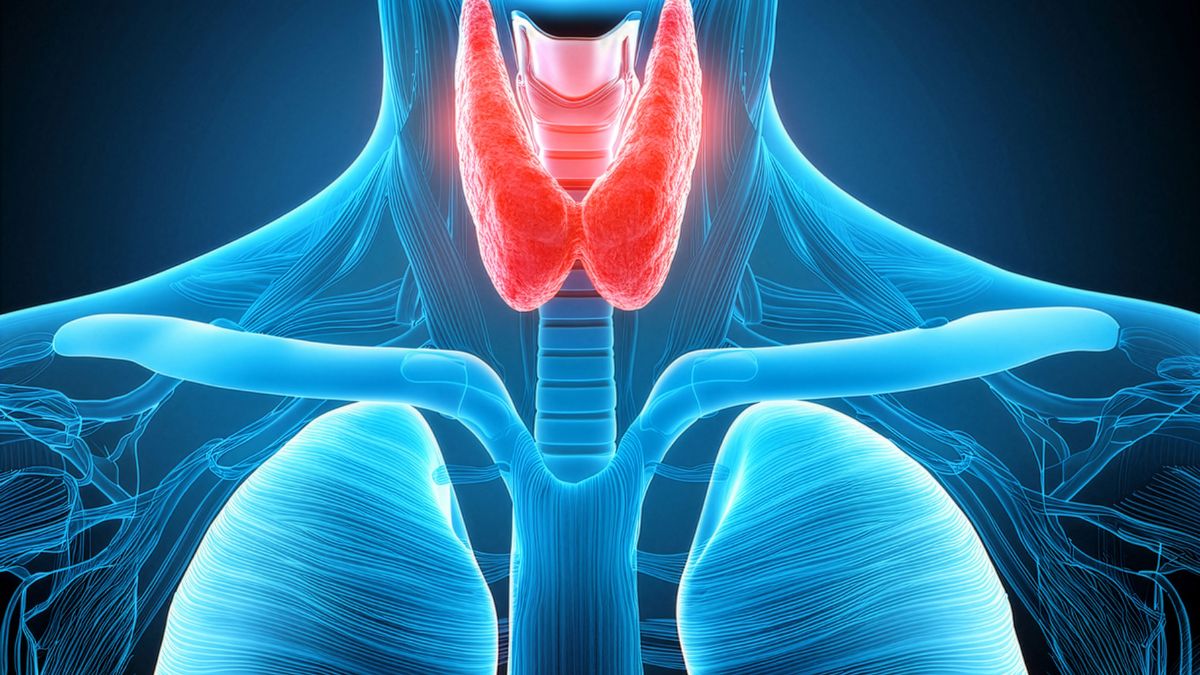
Selenium and fertility are closely connected through the thyroid gland. Thyroid hormones shape the timing of ovulation, support the growth of the uterine lining, and influence the energy available for sperm development and movement. When thyroid signalling is disrupted, cycles can become irregular, ovulation may be delayed, and sperm quality may also be affected. Selenium is required for enzymes that activate thyroid hormones and protect the thyroid from oxidative stress. Because of this role, selenium sits at an important intersection between thyroid health and the development of healthy eggs and sperm — yet it is rarely discussed when couples are trying to understand why conception is taking longer than expected.
What Is Selenium?
Selenium is a trace mineral that the body must obtain from food. It is required for metabolic regulation and antioxidant defence.
Some of the highest concentrations of selenium are found in the thyroid gland, where it contributes to the regulation of thyroid hormones T4 (thyroxine) and T3 (triiodothyronine), which control metabolic signalling throughout the body.
Selenium is also incorporated into antioxidant proteins that protect cells from oxidative stress during energy production. These protective mechanisms are particularly important in tissues where cells are developing, dividing, or working under high metabolic demand.
How Much Selenium Does the Body Require?
The European Food Safety Authority (EFSA) sets the adequate intake for selenium at 70 micrograms per day for adults.
This level reflects the intake required to maintain normal metabolic and antioxidant systems in the body.
Selenium and Fertility
Selenium helps protect developing eggs and sperm when they are at their most delicate during the stages that lead to fertilisation and early embryo development.
Developing reproductive cells are particularly vulnerable to oxidative stress. Eggs must preserve the integrity of their genetic material as they mature within the ovary, while sperm must maintain structural stability and the energy required for progressive motility to reach the egg.
Selenium contributes to antioxidant systems that help protect developing eggs and sperm from oxidative damage.
Selenium is also required for enzymes that convert the thyroid hormone T4 (thyroxine) into the active hormone T3 (triiodothyronine). Thyroid signalling influences several stages of fertility, including ovulation, sperm development in the testes, the environment in which eggs mature in the ovary, and the processes that support implantation and early pregnancy.
When thyroid signalling is disrupted, ovulation can become irregular, sperm development may be affected, implantation may fail, and the risk of early miscarriage can increase.
Metabolic conditions such as PCOS, obesity and insulin resistance can increase oxidative stress within reproductive tissues, placing greater strain on the systems that protect developing eggs and sperm.
By intentionally including selenium-rich foods in the diet, the thyroid and antioxidant systems that support ovulation, implantation and early pregnancy can be nourished.
Food Sources of Selenium
Selenium is found in a range of whole foods, particularly those that naturally contain higher concentrations of minerals and proteins.
Some of the richest dietary sources of selenium include seafood, eggs, meat and poultry. Fish such as salmon, sardines and cod provide reliable amounts, while eggs supply selenium in a form that is readily used by the body. Meat and poultry also contribute selenium alongside other nutrients involved in reproductive physiology.
Brazil nuts are one of the most concentrated natural sources of selenium, with a single nut often providing a substantial portion of daily requirements.
Including selenium-rich foods such as fish, eggs, meat and Brazil nuts within regular meals helps provide the dietary supply needed to support the thyroid and antioxidant systems involved in fertility physiology.
Antagonists Selenium
Certain dietary and lifestyle factors can influence how selenium functions within the body.
High intake of some minerals may compete with selenium within antioxidant systems. In particular, iron and copper can interact with selenium within these pathways, influencing how the nutrients function together.
Lifestyle factors may also influence selenium availability. Smoking and high caffeine intake have been associated with lower selenium status, while dietary patterns dominated by highly refined foods may provide less selenium overall.
These interactions do not mean selenium is absent from the diet, but they can influence how effectively selenium participates in the antioxidant and metabolic systems that support normal physiology.
Synergists Selenium
Selenium does not work alone in the body. It functions within antioxidant systems that depend on the presence of other nutrients.
Vitamin E works alongside selenium in protecting cell membranes from oxidative damage. This partnership is particularly important in tissues where cells are developing or working under high metabolic demand.
Vitamins A and C are nutrients that enhance selenium’s biological activity.
Because nutrients function in networks rather than isolation, meals that supply a range of vitamins and minerals help support the antioxidant systems in which selenium participates.
Bringing Selenium Into Everyday Nourishment
One simple way to include selenium in everyday meals is through foods that already appear regularly in fertility-focused eating patterns.
For example, eggs and fish provide naturally occurring selenium alongside protein and other nutrients involved in reproductive physiology. A simple meal such as eggs with smoked salmon and wholegrain toast, or sardines with vegetables and brown basmati rice, supplies selenium within a balanced plate.
Small additions can also contribute. Brazil nuts, for example, are naturally rich in selenium and can be included occasionally as part of a snack or meal.
Rather than focusing on isolated nutrients, meals built from whole foods naturally provide the network of vitamins and minerals that support the thyroid and antioxidant systems involved in fertility physiology.
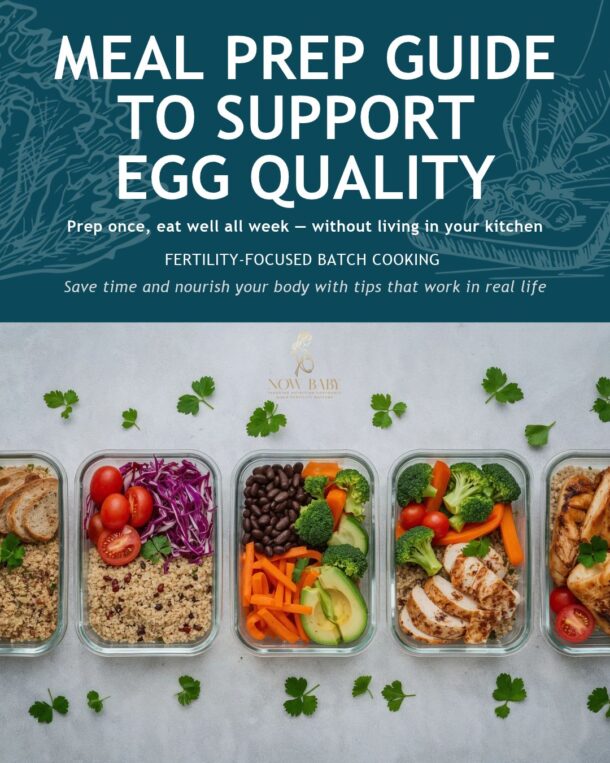
The challenge is getting meals like these onto the table consistently, week after week. Over my years of working with couples who are trying to conceive, I have found that planning and prepping meals makes that much easier:
- All your shopping for the week can be done at one time, saving you hours.
- By prepping everything in one go, more time is saved.
- By having meals that lend themselves to either being frozen for future use or being good for lunch the next day, less time is spent in the kitchen.
- You save money too, as there is less waste, spoiled food and fewer lunches bought out.
- And, of course, the meals are planned around the foods you want to be eating before conception.
When Selenium Runs Low
For you, a selenium shortfall reaches fertility through the thyroid. With less selenium, less T4 is converted into active T3 and the thyroid has less protection from oxidative stress. Thyroid signalling shapes the timing of ovulation, the growth of the uterine lining and the processes behind implantation, so when it falters, cycles can become irregular, ovulation can be delayed and implantation can fail.
Your eggs are affected too. As they mature in the ovary, they must preserve the integrity of their genetic material, and selenium contributes to the antioxidant systems that protect them while they do.
For your partner, a shortfall reaches sperm in two ways. Developing sperm need protection from oxidative damage to keep their structure and the energy to swim to the egg, and thyroid signalling influences sperm development in the testes. Less selenium can weaken both, and sperm quality can suffer.
Eggs and sperm develop over the months before conception, so what counts is the selenium you both take in across that time. Reproductive physiology reflects steady supply over time rather than isolated intake on a single day.
The Mediterranean Fertility Nutrition Protocol covers selenium as part of 90 days of nutrition for both partners, organised around egg and sperm development, fertilisation and implantation.
Get the Mediterranean Fertility Nutrition Protocol