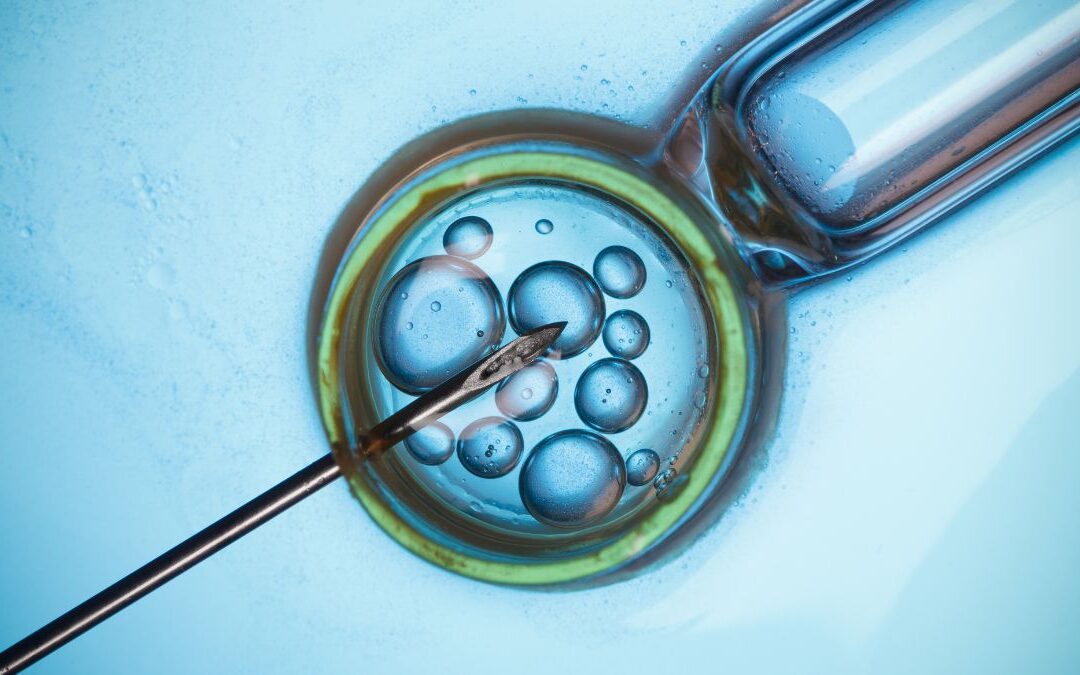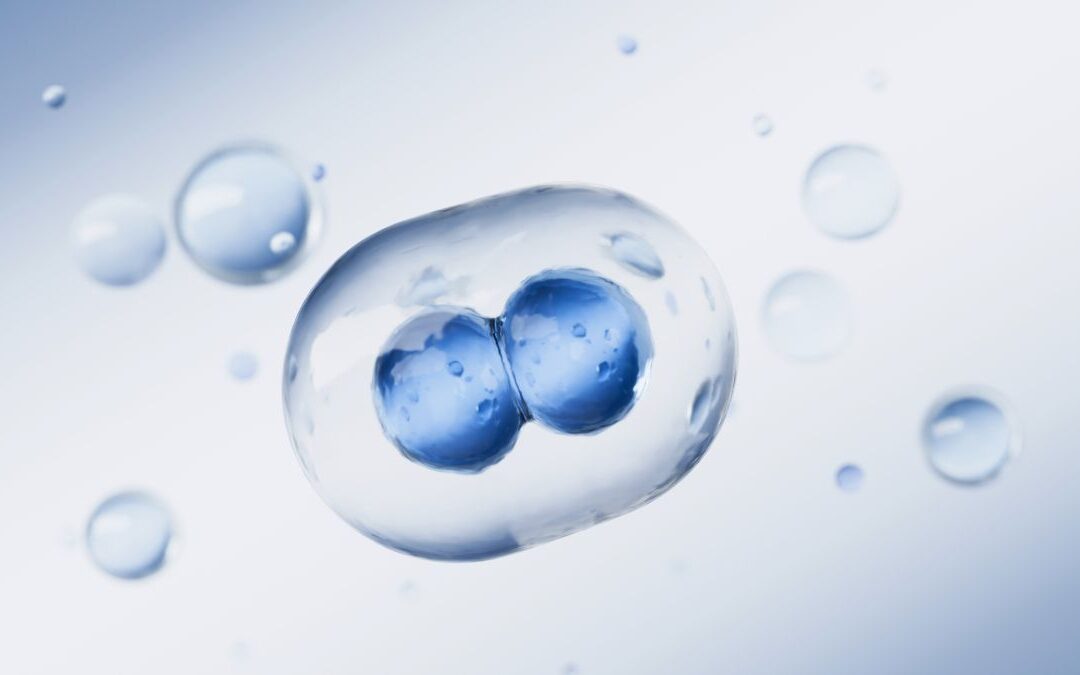

The baby you are working toward depends on two cells meeting with extraordinary precision. While sperm are produced continuously, the process that creates them is highly regulated and biologically demanding.
Sperm development follows a tightly regulated biological sequence. Each sperm cell must be formed, shaped, and packaged in a way that protects genetic material and allows it to function at exactly the right moment.
Here we will trace spermatogenesis from its earliest stages to the formation of mature sperm.
Sperm Are Made Continuously — But Not Instantly
Unlike eggs, which are formed before birth, sperm are produced continuously from puberty onward. This ongoing production can give the impression that sperm quality is easily renewed.
In reality, spermatogenesis is a long, multi-stage process. From the earliest stem cell to a fully mature sperm capable of fertilisation, development takes approximately two to three months. The sperm contributing to your next cycle began developing three months ago.
What happens during that time matters.
If you have been told results are “fine,” yet pregnancy has not happened, or you have experienced chemical pregnancy or early miscarriage, this developmental window is often where deeper answers live.
The Starting Point: Spermatogonial Stem Cells
Sperm development begins with spermatogonial stem cells, which reside in the seminiferous tubules of the testes.
These stem cells divide in a way that allows sperm production to continue throughout adult life. Some resulting cells remain as stem cells, while others commit to sperm development.
Once a cell commits to spermatogenesis, it enters a pathway that cannot be reversed.
Hormonal Regulation of Spermatogenesis
Spermatogenesis does not occur in isolation. It is regulated by signals from the brain and testes that coordinate timing, support, and maturation.
Follicle-stimulating hormone (FSH) acts primarily on Sertoli cells within the seminiferous tubules, supporting the environment in which developing sperm cells divide and mature. Luteinising hormone (LH) stimulates Leydig cells to produce testosterone, which is essential for meiosis, sperm differentiation, and structural development.
Testosterone acts locally within the testes at concentrations far higher than those measured in the bloodstream. Adequate coordination between FSH, LH, and intratesticular testosterone is required for spermatogenesis to proceed normally.
Primary Spermatocytes and Meiosis
Committed cells develop into primary spermatocytes and then enter meiosis, the specialised form of cell division that halves genetic material.
During meiosis, matching chromosomes pair closely together and exchange small segments of genetic material before separating, increasing genetic diversity and reducing the genetic material to the level required for fertilisation.
This process is precise and vulnerable. Errors at this stage can affect chromosome number or the integrity of genetic material, which in turn influences fertilisation, embryo development, implantation, and the risk of early pregnancy loss. When pregnancy begins but does not continue, this stage of development is part of the physiology worth understanding.
From Secondary Spermatocytes to Spermatids
After the first meiotic division, cells briefly exist as secondary spermatocytes before completing meiosis II.
The result is a group of spermatids — immature sperm cells that now contain the correct amount of genetic material but do not yet resemble sperm.
At this point, the genetic content is complete, but the work of shaping and protecting it has only just begun.
Spermiogenesis: Shaping the Sperm
Spermiogenesis is the final phase of sperm development, during which spermatids transform into mature spermatozoa.
This involves profound structural change. The sperm head forms, the midpiece develops with a high concentration of mitochondria, and the tail grows to allow motility.
During this phase, the cell reorganises itself for movement, survival, and fertilisation.
DNA Packaging and Protamination
One of the most critical — and least discussed — steps in spermatogenesis is DNA packaging.
In most cells, DNA is organised around proteins called histones. In sperm, histones are largely replaced by protamines, allowing DNA to be packed far more tightly.
This compact packaging protects genetic material, supports the streamlined shape of the sperm head, and plays a role in successful fertilisation and early embryo development. If this packaging process is incomplete or disrupted, sperm may carry DNA that is more vulnerable to fragmentation. Fragmentation is not visible on routine semen analysis, yet it can influence fertilisation, embryo development, and early miscarriage.
Omega-3 fatty acids are important components of the sperm head membrane, helping to maintain its structural integrity and protect the tightly packed genetic material as sperm move through the oxidative and immunologically hostile environment of the female reproductive tract.
Why Sperm Are Biologically Vulnerable
One reason sperm are particularly vulnerable is that the testes are located outside the body, allowing sperm development to occur at a temperature lower than core body temperature, but also increasing sensitivity to heat exposure and environmental fluctuations.
As sperm mature, they lose much of their internal repair machinery. Once DNA damage occurs, the sperm cannot correct it.
This makes sperm uniquely sensitive to oxidative stress, inflammation, heat exposure, and environmental factors.
Sperm quality reflects both the conditions present during their development over several months and more immediate influences that can affect sperm from day to day.
Maturation Beyond the Testes
After leaving the testes, sperm travel through the epididymis, where they undergo further maturation.
During this stage, sperm gain improved motility, functional capacity to fertilise an egg, and greater stability during storage. These changes are influenced by the biochemical environment of the epididymis, including antioxidant protection, membrane composition, and adequate micronutrient availability.
Nutrients such as zinc, selenium, and omega-3 fatty acids contribute to membrane stability, mitochondrial function, and protection against oxidative stress, all of which support sperm function during this final phase of maturation.
Why Sperm Quality Is Not Just About Count
Sperm are often discussed in terms of numbers alone. Count matters, but it does not tell the full story.
Sperm quality reflects how accurately meiosis occurred, how well DNA was packaged and protected, the integrity of mitochondria and membranes, and the conditions present during development and maturation.
This is why a single snapshot cannot fully describe male fertility capacity.
When “Normal” Results Don’t Explain the Outcome
If you are carrying repeated disappointment despite reassuring semen results, it may be time to look beyond count and motility. We regularly see this pattern in couples who have been told everything is normal, yet pregnancy has not progressed as expected.
Spermatogenesis reflects the previous three months of physiology. Heat exposure, inflammation, oxidative stress, micronutrient availability, and metabolic health all leave an imprint on developing sperm.
In our fertility consultations, we review this three-month window alongside egg development, because the baby you are working toward depends on both cells being fully supported.
Nature’s Wisdom
Continuous production does not safeguard sperm quality. Spermatogenesis is biologically demanding, and each sperm carries the imprint of the environment in which it developed and that imprint is in turn carried into your future family.