
Lifestyle factors affecting egg and sperm quality shape the environment in which eggs mature, sperm develop, implantation occurs, and early pregnancy is supported. Lifestyle factors influence hormonal signalling, oxidative stress, immune load, and how effectively the body can prioritise reproduction alongside other demands.
Eggs and sperm develop over time, drawing on available resources while responding to signals from the nervous system, endocrine system, and immune system. Here we will explore the key lifestyle factors that influence egg and sperm quality and how these factors interact with underlying nutritional support.
Lifestyle factors affecting egg and sperm quality
Physical and psychological stress increase the body’s overall metabolic demand. When stress is sustained, resources are redirected toward short-term survival processes rather than reproduction.
Elevated stress hormones influence ovarian signalling, follicle development, sperm production, and testosterone regulation. Stress also increases oxidative stress and inflammatory activity, raising nutrient demand throughout the body. When this pattern is ongoing, fewer resources may be available to support egg maturation or sperm development, even when dietary intake appears sufficient.
Over time, sustained physiological stress has been associated with reduced egg quality, impaired sperm parameters, delayed conception, and poorer response to fertility treatment.
Sleep and circadian regulation
Sleep plays a central role in coordinating hormonal rhythms involved in reproduction. This includes hormones that influence ovulation, luteal function, testosterone production, sperm maturation, and cellular repair.
Disrupted or insufficient sleep alters circadian signalling, increases cortisol, and raises oxidative stress. Repair and detoxification processes that normally occur during sleep may be compromised, affecting the internal environment in which eggs and sperm develop.
When sleep disruption is chronic, reproductive cells may be exposed to a less stable physiological environment, which can influence egg quality, sperm integrity, and overall fertility potential.
Inflammation and immune load
Low-grade inflammation increases nutrient demand and oxidative stress throughout the body. Sources of inflammatory load include illness, injury, metabolic strain, gut imbalance, autoimmune activity, and chronic immune activation.
When inflammatory demand is high, resources are diverted toward immune defence and tissue repair. This reduces the availability of nutrients and protective mechanisms needed to support egg and sperm development. Inflammatory signalling can also interfere with ovarian function, sperm production, and implantation processes.
Persistent inflammation has been associated with reduced fertility, poorer embryo development, and increased risk of implantation failure and miscarriage, often in the absence of clear or adequate clinical testing to identify it.
Endocrine-disrupting chemicals and reproductive signalling
Endocrine-disrupting chemicals (EDCs) interfere with hormonal signalling rather than acting as direct toxins. They can mimic, block, or alter the action of natural hormones, affecting how hormonal signals are received, processed, and cleared.
Common sources include plastics, food packaging, pesticides, personal-care products, household cleaners, and environmental pollutants. Exposure increases detoxification demand and oxidative stress, while also disrupting the hormonal signals that guide egg maturation, sperm production, and timing of reproductive processes.
Over time, endocrine disruption has been linked with altered ovarian function, impaired sperm quality, disrupted implantation, and changes to reproductive outcomes, even when nutritional intake is otherwise adequate.
Smoking, vaping, and long-term offspring health
Smoking and vaping introduce compounds that directly increase oxidative stress and damage cellular structures. In sperm, these exposures have been linked to reduced motility, altered morphology, and increased DNA damage. In eggs, they influence the cellular environment responsible for maintaining and protecting genetic material.
Importantly, the impact of smoking and vaping is not limited to conception alone. Changes to egg and sperm integrity associated with these exposures have been linked to long-term health consequences for offspring, reflecting alterations in the biological information passed forward at conception. This includes increased vulnerability during early development and potential effects that extend beyond pregnancy itself.
The microbiome and reproductive cell health
The microbiome plays a central role in shaping inflammation, immune regulation, and hormone metabolism — all of which influence egg and sperm quality. Gut microbes are involved in how nutrients are absorbed, how hormones are processed and cleared, and how inflammatory signals are regulated across the body.
The microbiome can be disrupted by antibiotic use, as well as by dietary patterns high in ultra-processed foods and added sugars. These exposures can reduce microbial diversity and increase inflammatory signalling, even when overall calorie intake or nutrient intake appears sufficient.
When the microbiome is disrupted, nutrient availability may be reduced and inflammatory load increased. This alters the environment in which eggs and sperm develop, increasing vulnerability during maturation and reducing resilience at key stages of reproduction.
The microbiome also influences the implantation environment, shaping immune tolerance, inflammatory balance, and hormone metabolism within the uterus. Disruption in these pathways has been linked with recurrent implantation failure and early pregnancy loss, even when embryo quality appears adequate and standard testing shows no clear explanation.
Supporting egg and sperm quality therefore involves not only nutritional intake, but the microbial environment that governs how nutrients and hormonal signals are processed and utilised within the body.
Physical load and recovery balance
Movement supports metabolic health, circulation, and hormonal balance. However, excessive or poorly matched physical load increases energy demand, inflammation, and oxidative stress.
When physical stress consistently exceeds recovery capacity, resources may be prioritised away from reproduction. This can influence follicle development, ovulatory signalling, sperm production, and the stability of reproductive hormones.
The balance between physical activity and recovery plays a role in maintaining a physiological environment that supports reproductive cell development over time.
Egg and sperm quality reflect the combined influence of nutrition and the wider physiological context in which reproductive cells develop. Lifestyle factors shape hormonal signalling, inflammatory load, oxidative stress, and how nutrients are allocated within the body. Supporting fertility therefore requires not only adequate nourishment, but an internal environment that allows reproductive processes to be maintained and protected over time — with implications that extend beyond conception into pregnancy and the long-term health of offspring.
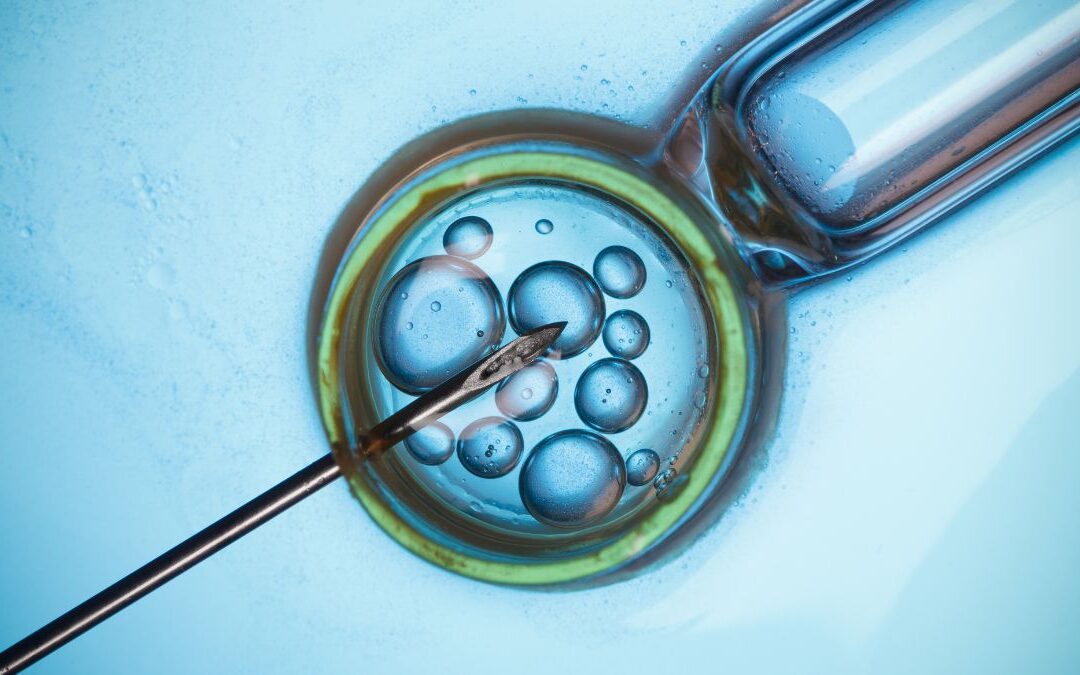
For those preparing for IVF, these factors become especially relevant, as stimulation, medications, and laboratory fertilisation do not remove the influence of oxidative stress, inflammation, endocrine signalling, or the implantation environment.