Food plays two distinct roles in the body: it provides energy to sustain daily life, and it supplies the nutrients that allow cells to divide, signal, and organise themselves correctly over time. Folate is one of those foundational nutrients.
Often discussed in relation to pregnancy, folate’s role begins much earlier. It supports the fundamental cellular processes that support egg development, sperm production, and early embryonic organisation. These processes operate continuously, long before pregnancy occurs.
Folate supports the creation of a biological environment in which cells can perform their intended functions with reliability and consistency. Adequate folate availability contributes to orderly cell division, DNA synthesis, and methylation processes that are central to reproductive physiology in both women and men.
Understanding folate as a form of biological supply — beyond its association with pregnancy — helps place it accurately within fertility nourishment: foundational, ongoing, and quietly essential.
What Is Folate?
Folate is a water-soluble B vitamin, also known as vitamin B9. It is an essential nutrient obtained through the diet.
Folate is the natural form of vitamin B9 found in foods, while folic acid is the synthetic form used in fortified foods and some supplements. Both contribute vitamin B9 activity in the body, though they are handled differently within biological pathways.
Within the body, folate functions primarily in cells that are dividing and renewing. It plays a central role in DNA synthesis, DNA repair, and methylation — processes required for normal cell growth and function. Folate contributes to the formation of red blood cells and supports neurological and immune function.
Folate is naturally present in foods such as leafy green vegetables, legumes, and certain fruits. It exists in multiple biologically active forms, which the body processes and converts to meet cellular needs.
This definition reflects folate’s broader biological role beyond fertility.
How Much Folate Does the Body Require?
In Europe, the European Food Safety Authority (EFSA) sets the reference intake for folate at 330 micrograms per day for adults, with a higher reference intake of 600 micrograms per day during pregnancy to support increased cellular division and developmental processes.
These reference intakes describe the average daily amount associated with general physiological sufficiency across the population. They provide a baseline for intake rather than a personalised target.
Fertility-related processes involve sustained cell division, DNA replication, and epigenetic signalling in reproductive tissues over extended periods. During times of active egg maturation, sperm production, and early embryonic development, folate is utilised continuously at the cellular level.
For this reason, folate adequacy is best understood as steady availability over time, supported through everyday nourishment and adjusted according to individual physiology and life stage.
The Role of Folate in Fertility
Folate contributes directly to fertility through its involvement in DNA synthesis and cell division.
In egg development, folate supports oocyte maturation by enabling accurate DNA replication and chromosomal stability. These processes are active during the months leading up to ovulation and continue across the reproductive timeline.
In sperm production, folate contributes to spermatogenesis and supports DNA integrity within sperm cells. Adequate folate availability is associated with healthier DNA packaging and improved accuracy during cell division.
Following conception, folate continues to support early embryonic development by enabling rapid, orderly cell division and the formation of foundational structures. These early stages rely heavily on folate-dependent pathways.
Across both male and female fertility physiology, folate supports continuity and stability throughout reproductive processes.
Folate and Early Embryo Cell Division
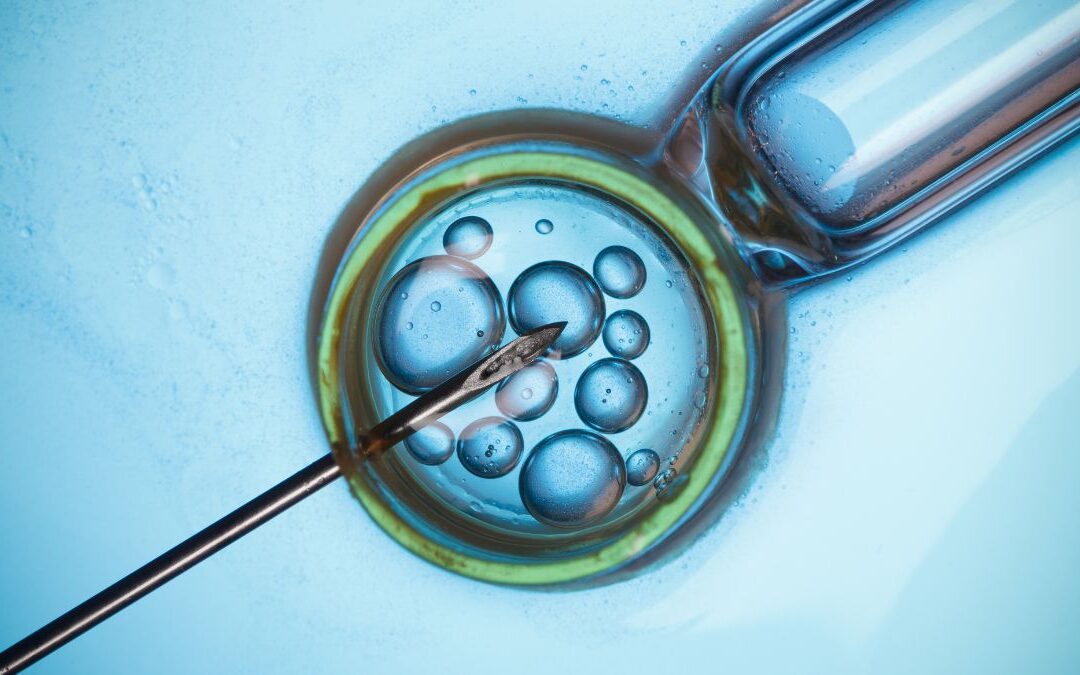
After fertilisation, the embryo undergoes rapid, sequential cell division as it progresses from a single cell to a multi-cell blastocyst capable of implantation. During this cleavage phase, cells divide repeatedly without growth pauses, placing exceptionally high demand on DNA synthesis and methylation pathways.
Folate is central to this process. Adequate folate availability supports accurate DNA replication at each division, helping maintain chromosomal stability as cell number increases. When folate supply is inconsistent at this stage, cell division may slow, become disorganised, or arrest entirely.
This window is particularly relevant in early pregnancy loss, including chemical pregnancy, where implantation may begin but embryonic development cannot be sustained. Because these events occur before placental support is established, the embryo relies heavily on pre-existing nutrient availability within the uterine environment.
For this reason, folate sufficiency matters not only before conception, but through the earliest stages of embryonic life, where cellular organisation determines whether implantation can progress and stabilise.
Food Sources of Folate
Folate is widely available in whole foods, particularly plant-based sources.
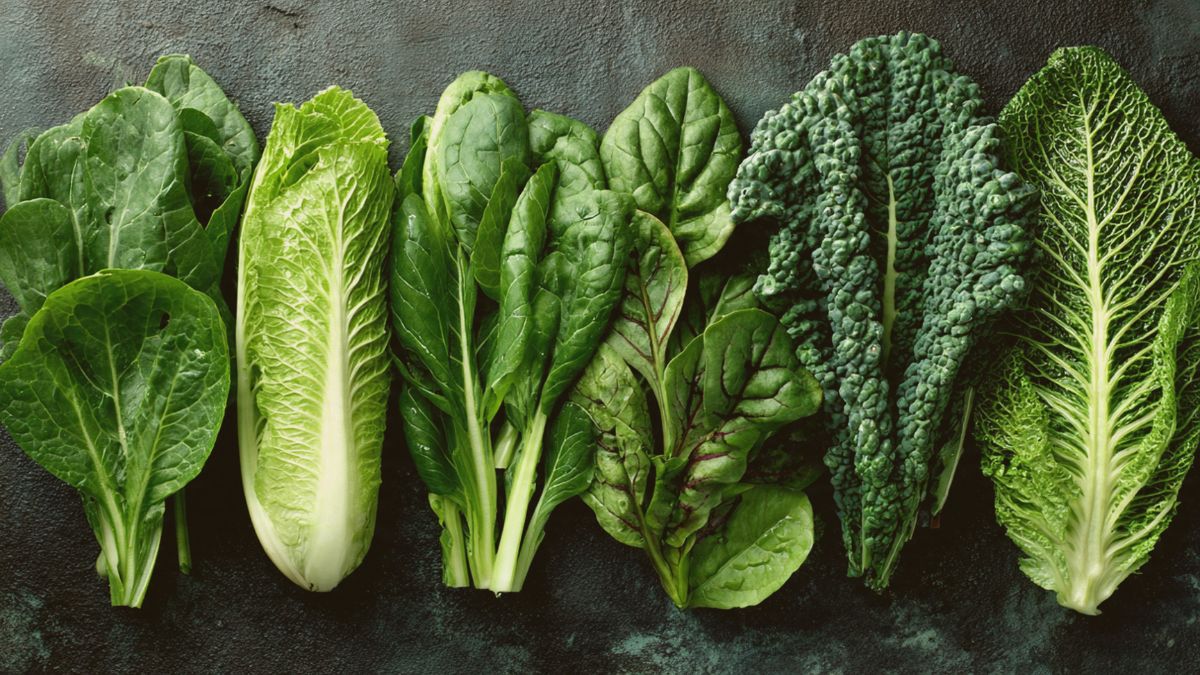
Rich sources include leafy green vegetables such as spinach, kale, and broccoli; legumes including lentils, chickpeas, and beans; and foods such as asparagus, avocado, and citrus fruits.
Many of these foods already feature in balanced fertility-supportive meal patterns and integrate easily into everyday meals. Cooking methods influence folate content, as folate is water-soluble, so gentle preparation methods support retention.
Folate Synergists and Antagonists
Folate functions within a tightly coordinated network of nutrients and physiological conditions that determine how reliably it can support DNA synthesis, cell division, and reproductive signalling.
Key synergists include vitamin B12, which works alongside folate in methylation and DNA stability, and other B vitamins that support cellular energy production and turnover. Adequate protein intake supports the enzymes involved in folate metabolism, while overall dietary quality ensures steady supply to dividing tissues.
Key antagonists include sustained physiological stress and inflammation, which increase cellular turnover and raise folate demand. Diets low in fresh, folate-rich foods reduce baseline availability. Certain medications, including oral contraceptive pills, are associated with increased folate metabolism and urinary loss over time, reducing tissue availability if intake is not sufficient.
Because folate is water-soluble and not stored long-term, consistent intake within a supportive nutrient context is essential for maintaining reliable availability at the cellular level.
Bringing Folate Into Everyday Nourishment
A practical way to support folate intake is to include a generous portion of leafy greens or legumes in one main meal each day.
For example, a lentil-based lunch or a dinner that includes greens such as spinach or broccoli contributes folate alongside other supportive nutrients.

When Food Alone May Not Meet Folate Demand
Food is the foundation of folate intake, and for many people it is enough.
However, folate is used at an unusually high rate in fertility-related processes — particularly cell division, DNA synthesis, and early embryo development. These demands rise sharply during periods such as egg maturation, sperm development, implantation, and early pregnancy.
In these contexts, intake is not the only factor that matters. Folate availability can be influenced by
• digestive absorption
• cooking losses
• medication use
• and the availability of other B nutrients nutrients required for folate to function inside the cell
When cellular demand outpaces delivery — even with a well-structured diet — additional folate support may be needed to ensure that rapidly dividing tissues are adequately supplied.
Food remains central. Structural support is used to protect food’s role, not replace it, when physiological demand is temporarily higher than diet alone can cover.
Why We Specify Methylfolate in Supplements
Folate is present in food in biologically active forms. In supplements, folate can be provided in different forms that enter metabolic pathways at different points.
Methylfolate (5-MTHF) is the active form of folate used directly in cellular methylation, DNA synthesis, and reproductive signalling. It is the form used directly by cells.
Folic acid is a synthetic form of vitamin B9 used in food fortification and some supplements. It enters folate metabolism earlier in the pathway and requires conversion before use in cellular processes.
In fertility physiology, where cell division, DNA integrity, and developmental signalling operate continuously, using a form that aligns closely with cellular utilisation supports predictable availability at the tissue level.
For this reason, when we recommend supplemental folate, we specify methylfolate as the form that integrates most directly with fertility-related pathways.
Why Nutrients Are Considered Together
Nutrients function within interconnected biological systems. Folate works alongside other nutrients that support cellular signalling, division, and repair over time.
Consistency supports physiological function. Regular nourishment provides steady supply, allowing fertility-related systems to operate as designed across cycles and stages of preparation.
Supporting folate intake in practice
Folate is required continuously for DNA formation, cell division, and repair, which means demand is high during periods of fertility preparation, pregnancy, and times of increased physiological stress. While folate is found in foods such as leafy greens, legumes, and liver, intake and absorption can be variable, particularly when appetite is low, digestion is compromised, or dietary patterns are inconsistent.
Form matters when it comes to folate. Folic acid is a synthetic form that requires conversion in the body before it can be used, and this process is not efficient for everyone. For this reason, folate is generally preferred in its active or food-based forms, which are more readily available for use in DNA processes and cellular development. This is also why folate is not recommended to be taken in isolation without other B vitamins, as they work closely together in supporting DNA stability.
In practice, folate intake is often supported with a high-quality multi vitamin supplement alongside food sources, particularly when requirements are elevated or when there is a history of fertility challenges.
This is the folate supplement we use in practice when additional support is needed
At Now Baby, we support fertility through physiology-led nourishment, translating complex biology into everyday food.
You can read about other essential nutrients for fertility here;