Omega-3 plays a foundational role in fertility because it is built into the structure of eggs, sperm, and reproductive tissues. These cells rely on flexible, responsive membranes to support signalling, resilience, and normal biological activity over time.
Omega-3 shapes the internal conditions in which fertility physiology unfolds. It influences how reproductive cells respond to hormonal and inflammatory cues as they develop, mature, and renew. Without this function, hormone levels can look normal, but there may be no reciprocal response within the cell.
What Is Omega-3?
Omega-3 fatty acids are a family of polyunsaturated fats that the body requires but cannot produce in sufficient amounts. Because they are essential, they must be supplied through the diet.
The main Omega-3 fatty acids relevant to human health are:
- ALA (alpha-linolenic acid) – found in plant foods
- EPA (eicosapentaenoic acid) – found mainly in oily fish
- DHA (docosahexaenoic acid) – also primarily marine-derived
Omega-3 fats are incorporated into cell membranes, where they influence membrane flexibility, receptor activity, and intracellular signalling. EPA and DHA are then involved in regulating inflammation within reproductive tissues.
How Much Omega-3 Does the Body Require?
The European Food Safety Authority (EFSA) sets an Adequate Intake (AI) of 250 mg per day of combined EPA and DHA for adults.
EFSA reference values describe intake levels associated with population adequacy and deficiency prevention. They do not define “optimal” tissue levels, and they do not account for increased physiological demand that can occur with inflammation, stress load, or reproductive activity.
The Role of Omega-3 in Fertility
Omega-3 supports fertility through its role in cellular structure, signalling, and inflammatory regulation. EPA is particularly relevant to reproductive physiology.
Egg development and maturation
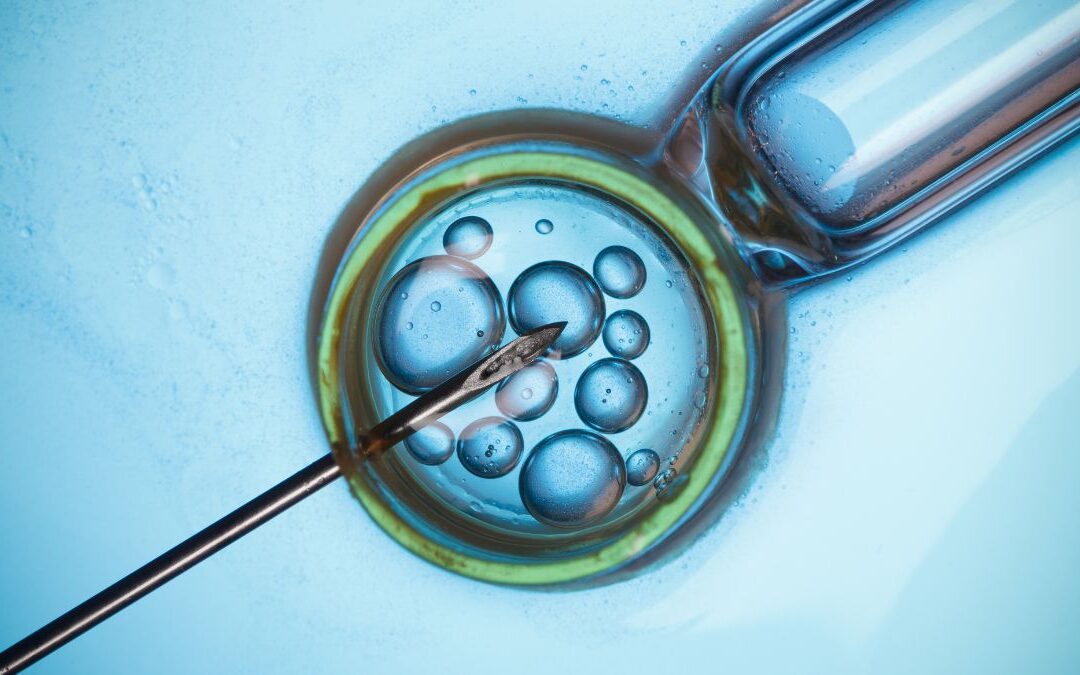
Developing eggs rely on responsive cell membranes to support nutrient exchange and hormonal signalling. Omega-3 contributes to membrane composition, shaping how eggs respond to their environment as they mature over time. During IVF in particular, where multiple follicles are required to mature at the same time, limited nutrient availability can place that maturation process under strain.
Sperm quality and integrity
Sperm membranes are rich in polyunsaturated fats. Omega-3 supports membrane fluidity and resilience, which is relevant to motility and protection from oxidative stress.
Inflammatory signalling
EPA contributes to signalling pathways that help regulate inflammatory tone. Balanced inflammatory signalling supports ovarian, testicular, and uterine tissue function.
Endometrial responsiveness
The endometrium is a dynamic tissue that responds to hormonal and vascular cues. Omega-3-derived signalling compounds support the conditions required for implantation physiology.
Food Sources of Omega-3
Omega-3 intake from food supplies EPA alongside other nutrients that support fertility physiology.
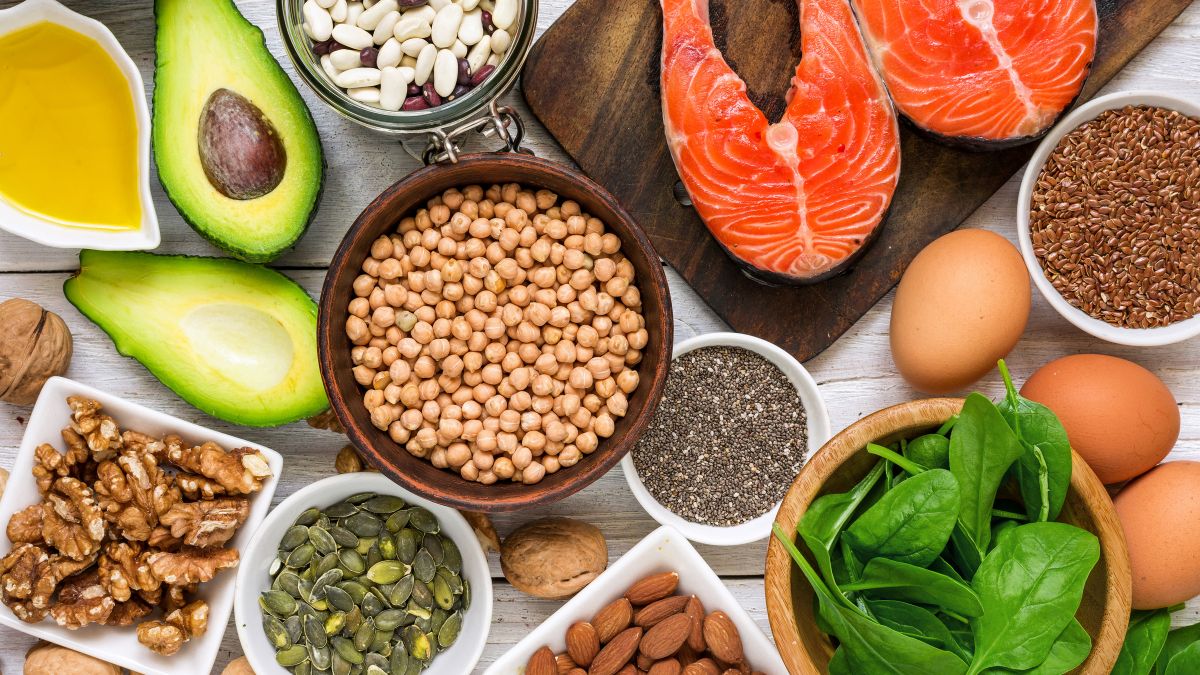
Marine sources rich in EPA:
- Sardines
- Mackerel
- Herring
- Salmon
- Tuna
Plant sources of Omega-3:
Plant foods provide ALA (alpha-linolenic acid), a precursor Omega-3 that the body can convert into EPA and DHA, though this conversion is limited.
- Flaxseed
- Chia seeds
- Walnuts
- Rapeseed oil
Synergists and Antagonists
Omega-3 does not operate in isolation. Its role in fertility depends not just on intake, but on the wider nutritional and physiological context in which it is used.
Synergists
Omega-3 works alongside other nutrients and systems that support how fats are absorbed, transported, and incorporated into reproductive tissues.
Adequate antioxidant intake, particularly from whole foods, helps protect Omega-3 fats from oxidative damage. This matters because polyunsaturated fats are chemically fragile, and oxidative stress can reduce how much Omega-3 is available for membrane incorporation.
Omega-3 also functions in balance with other dietary fats. When overall fat intake is sufficient and meals are well-composed, Omega-3 is more effectively absorbed and delivered to tissues that rely on flexible, responsive membranes — including eggs, sperm, and the endometrium.
Antagonists
Both Omega-3 and Omega-6 are essential, but when Omega-6 intake is consistently higher — as it often is — the body tends to prioritise it, leaving less Omega-3 available for reproductive tissues.
Inflammatory load also affects how Omega-3 is utilised. Ongoing inflammation increases turnover of Omega-3-derived signalling compounds, which can quietly raise requirements without changing dietary intake on paper. EPA and DHA help regulate inflammation within reproductive tissues, which is particularly relevant in endometriosis, implantation failure, and IVF cycles that have failed despite hormone levels appearing normal.
Bringing Omega-3 Into Everyday Nourishment
A simple way to include Omega-3 is to build in oily fish as part of regular meals across the week. Examples include salmon with vegetables and potatoes, sardines on sourdough with olive oil, or mackerel alongside greens and grains.

When Food Alone May Not Be Sufficient
Food is the foundation of Omega-3 nourishment. However, modern food systems, inflammatory load, and reproductive demand can widen the gap between intake and tissue supply.
This is the EPA-containing Omega-3 supplement we use in practice when additional support is needed.
EPA is provided here alongside DHA to support cellular signaling and membrane function. Food sources remain an important contributor, and individual needs vary depending on overall diet and physiological demand.
Why Nutrients Are Considered Together
Nutrients do not act in isolation. Omega-3 works alongside other fats, antioxidants, minerals, and energy availability to support fertility physiology over time.
At Now Baby, we support fertility through physiology-led nourishment, translating complex biology into everyday food.
You can read about other essential nutrients for fertility here;