When you’re preparing your body for pregnancy, nourishment is about supplying the cellular systems that protect and sustain eggs, sperm, and reproductive tissues.
Vitamin C is one of the foundational nutrients that supports cellular protection and repair across the body. It contributes to tissue resilience, antioxidant defence, and everyday cellular stability. Because humans cannot make vitamin C themselves, it must be provided consistently through food.
Vitamin C is water-soluble and not stored in large amounts, which means regular dietary supply is required rather than intermittent intake.
What Is Vitamin C?
Vitamin C, also known as ascorbic acid, is a water-soluble vitamin and the only water-soluble vitamin not part of the B-vitamin group.
Humans cannot produce vitamin C internally, so it must come from food each day. Within the body, vitamin C is involved in connective tissue structure, cellular protection, nervous system support, and everyday metabolic processes.
Because it is not stored in large amounts, vitamin C depends on steady dietary supply to remain available to tissues.
How Much Vitamin C Does the Body Require?
The European Food Safety Authority (EFSA) provides dietary reference values for vitamin C for the general population.
For adults, EFSA sets Population Reference Intakes of 95 mg/day for women and 110 mg/day for men to support normal physiological function and help prevent deficiency.
The Role of Vitamin C in Fertility
Vitamin C supports fertility by contributing to three key systems involved in reproduction: connective tissue integrity, antioxidant defence, and cellular energy support.
Vitamin C is required for collagen production, which helps maintain the structure and resilience of reproductive tissues, including the ovaries, testes, and uterine lining. Collagen provides physical support as these tissues respond to hormonal signals and continuous cellular renewal.
Vitamin C also supports the body’s antioxidant defence system. Eggs and sperm are particularly sensitive to oxidative stress during development. Vitamin C helps limit everyday oxidative wear, supporting DNA stability as eggs mature and sperm develop.
In men, vitamin C supports sperm development, motility, and DNA protection within the testes and seminal fluid. In women, it supports ovarian tissue health and the uterine environment, contributing to conditions needed for egg maturation and implantation readiness.
Vitamin C and Ovulation
Ovulation depends on healthy follicle development within the ovary. As the dominant follicle matures, oxidative stress increases inside the ovarian environment. Vitamin C supports antioxidant protection within follicular fluid, helping protect the developing egg during this final maturation phase.
After ovulation, the corpus luteum produces progesterone to prepare the uterine lining. Vitamin C contributes to steroid hormone production and may support adequate progesterone signalling during the luteal phase.
Neurotransmitters operate throughout the menstrual cycle, but changes in oestrogen and progesterone alter how strongly their signals are felt at different phases. Vitamin C supports neurotransmitter and adrenal function, so when availability is stretched, hormonal shifts across the cycle can be felt more strongly.
Food Sources of Vitamin C
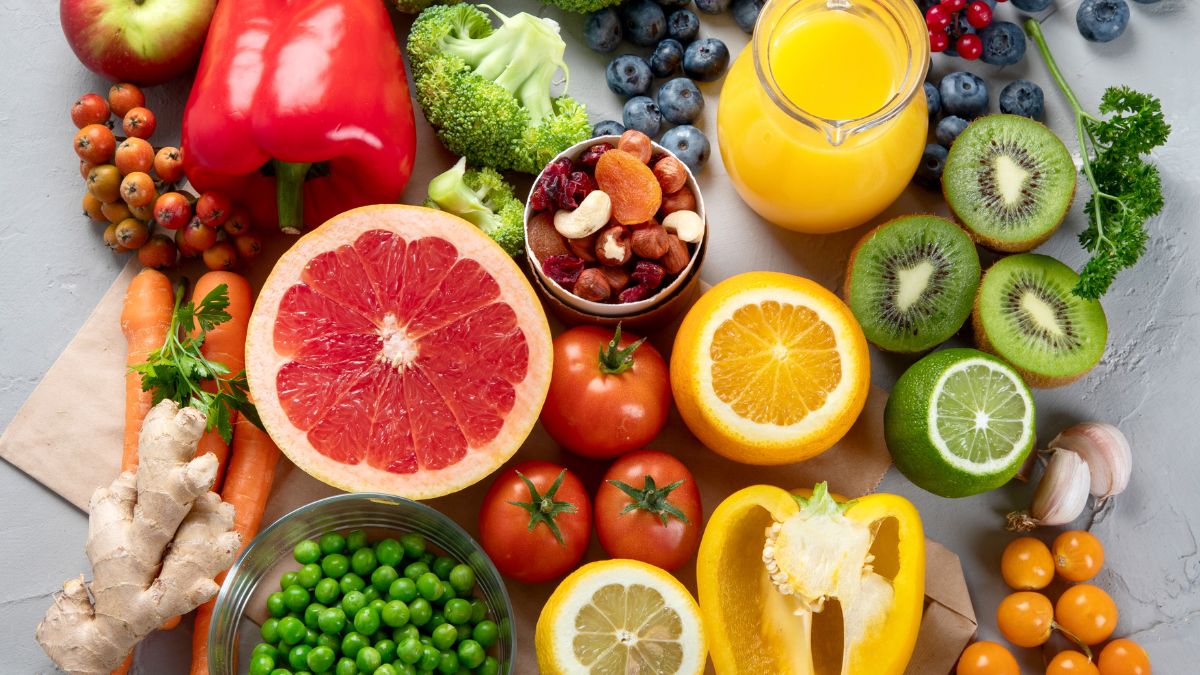
Vitamin C is found mainly in fruits and vegetables.
Common sources include oranges, lemons, grapefruit, strawberries, kiwi, peppers, broccoli, Brussels sprouts, cauliflower, potatoes, parsley, and leafy greens such as kale, spinach, and watercress.
These foods provide vitamin C as part of whole-food nourishment.
Synergists and Antagonists
Vitamin C does not act alone. Its availability depends on how it interacts with other nutrients and with everyday physiological conditions.
Vitamin C helps maintain the function of vitamin E, supporting ongoing cellular protection across reproductive tissues.
Vitamin C availability can be depleted by high glucose levels, as glucose competes with vitamin C for cellular uptake. Alcohol and nicotine increase vitamin C utilisation and loss, raising demand over time. Use of the oral contraceptive pill is also associated with reduced vitamin C availability.
Because vitamin C is water-soluble and not stored, consistency of intake is biologically relevant.
Bringing Vitamin C Into Everyday Nourishment
Vitamin C intake can be supported by including vitamin C–rich foods such as peppers, berries, or lightly cooked vegetables as part of regular meals.

When Food Alone May Not Be Sufficient
Food remains the foundation of nutrient support. However, fertility places sustained demands on connective tissue renewal, antioxidant defence, and cellular protection, all of which rely on vitamin C availability.
In some situations, food alone may not fully meet these demands. Ongoing stress, inflammation, environmental exposure, or cumulative physiological load can increase vitamin C utilisation.
When additional support is appropriate, the form of vitamin C matters. In fertility practice, buffered ascorbate forms of vitamin C are often preferred. These provide vitamin C in a gentler, non-acidic format that is better tolerated by the digestive system and suitable for regular use alongside food.
Effervescent vitamin C products are commonly flavoured and frequently contain added sugars, sweeteners, acids, or colourings. These additives are not always supportive of fertility physiology, particularly where blood sugar balance, gut tolerance, or inflammation are already under pressure.
This is the vitamin C supplement we use in practice when additional support is appropriate.
It provides vitamin C in a buffered magnesium ascorbate form, without flavourings or effervescent additives, making it suitable for fertility-focused nutritional support.
Food sources remain an important contributor, and individual needs vary.
Why Nutrients Are Considered Together
Vitamin C operates alongside other nutrients involved in cellular protection and tissue maintenance. This teamwork is what maximizes each nutrient’s effectiveness. Together, these nutrients support the stability of reproductive tissues.
At Now Baby, we support fertility through physiology-led nourishment, translating complex biology into everyday food.
You can read about other essential nutrients for fertility here;