When you’re trying to have a baby, both the egg and the sperm must have enough energy to function properly. That energy is produced by mitochondria — the cell’s batteries — which power egg maturation and sperm development long before pregnancy begins. Eggs require large energy reserves to complete maturation and support fertilisation, which is why they have thousands more mitochondria than other cell types, while sperm rely on mitochondrial energy to develop, move, fertilise, and contribute effectively at conception. Because this energy production happens inside the cell, mitochondrial function is not something that shows up clearly in routine blood tests. If energy availability is compromised in either cell, the conditions needed for pregnancy may not be established.
Co-enzyme Q10 (CoQ10) supports mitochondrial function, helping these cellular batteries supply the energy egg and sperm rely on at the very start of conception.
Mitochondrial energy and fertility: the role of CoQ10
Mitochondria are responsible for producing the energy that allows cells to function, divide, and respond appropriately to their environment. You can think of mitochondria as the cell’s batteries — they store and generate the energy needed to keep the cell running. In fertility, this energy demand is unusually high. Eggs require large energy reserves to complete maturation and support fertilisation, while sperm rely on mitochondrial energy to develop, move, fertilise, and contribute effectively at conception. This makes mitochondrial function central to how well both egg and sperm can do their job.
CoQ10 supports energy supply to the egg and sperm as they meet the demands of creating life.
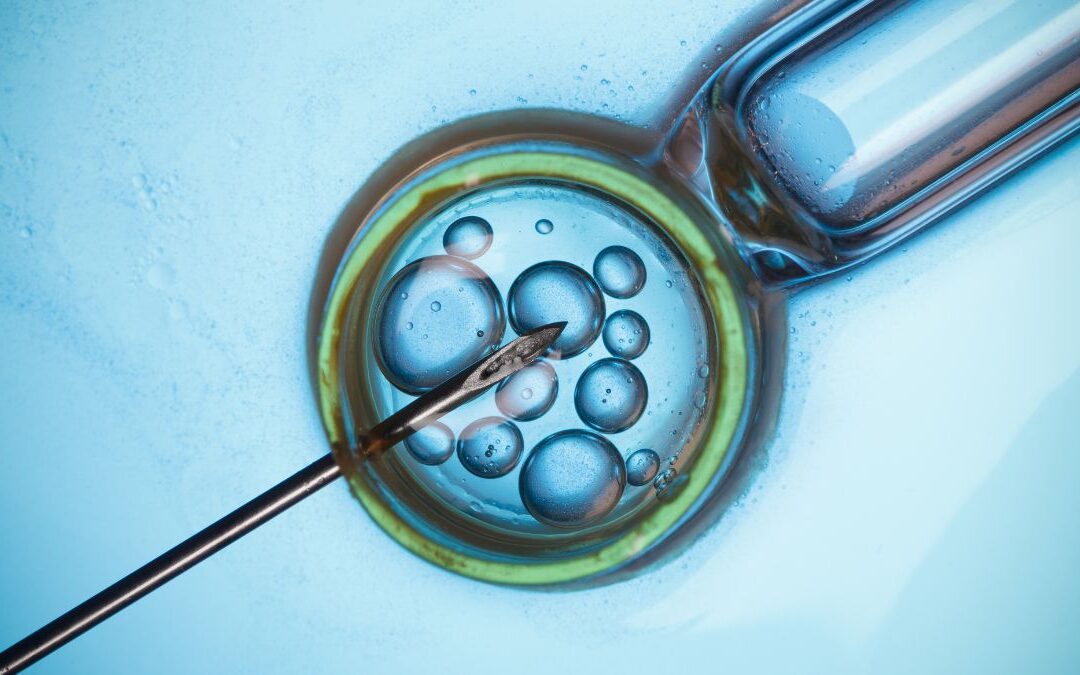
In eggs, reduced mitochondrial energy has been associated with poorer developmental capacity, particularly as eggs age or when, during IVF, multiple follicles are required to mature at the same time. In sperm, mitochondrial energy influences development, count, movement, and endurance, as well as the ability to reach and fertilise the egg. When energy availability is limited in either cell, fertilisation and early development may be harder to sustain.
Food sources of CoQ10
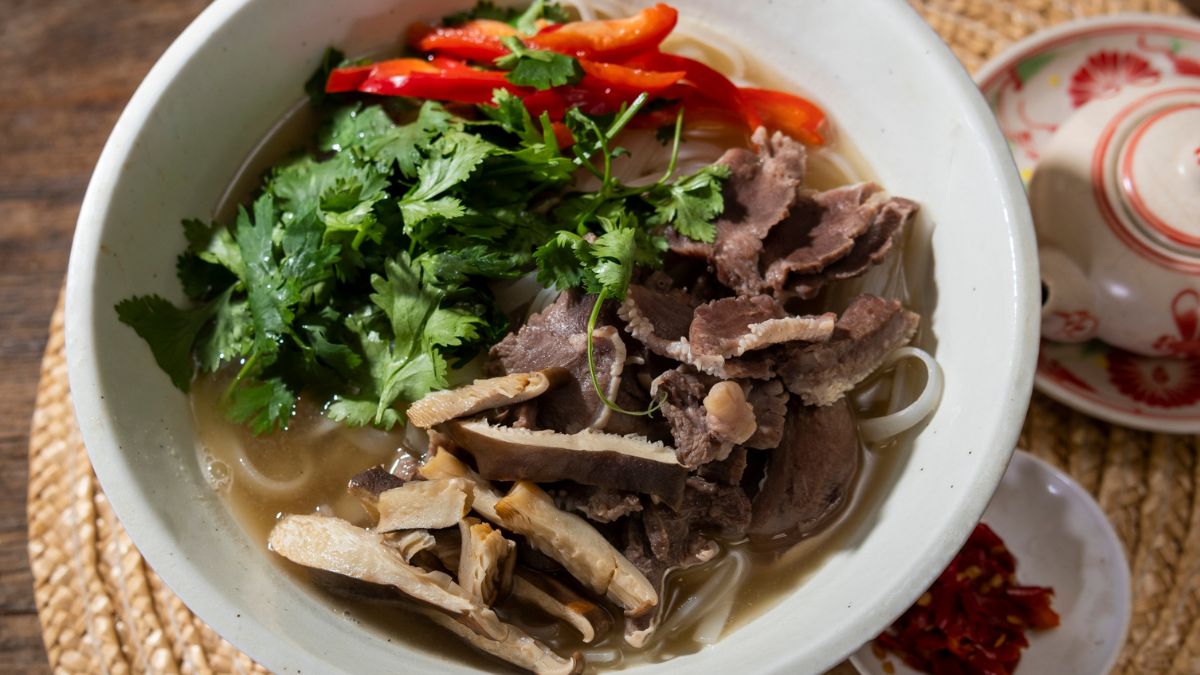
CoQ10 is naturally present in foods that are particularly rich in cellular activity, such as organ meats, heart, liver, and other traditionally valued cuts. Historically, these foods were eaten regularly as part of a nose-to-tail approach to nourishment, which supported a broader intake of energy-supporting compounds. As modern diets have shifted towards lower-fat eating and a reliance on selective cuts, these richly nutrient-dense organs are often discarded. Smaller amounts of CoQ10 are also found in foods such as oily fish, red meat, and some nuts and seeds.
While food contributes some CoQ10, dietary intake alone does not reliably indicate how much CoQ10 is available to the egg or sperm at a cellular level.
Supplement forms of CoQ10
In fertility supplements, CoQ10, often referred to as ubiquinone, is most commonly provided in its standard form.
Ubiquinol is sometimes suggested because it is the form of CoQ10 measured in the blood. Some studies show that it can raise measured blood CoQ10 levels more quickly, particularly in older adults or in cardiovascular research settings. This has contributed to the assumption that ubiquinol is a more “active” or superior form.
Egg and sperm do not rely on blood levels of CoQ10 alone. CoQ10 (ubiquinone) must be available inside the cell, where it can be used by mitochondria as needed. For fertility, what matters is whether CoQ10 is consistently available for mitochondrial use in egg and sperm over time.
Synergists and Antagonists
CoQ10 does not function in isolation. Various factors influence it’s efficiency within the cell.
Synergists
Dietary fat supports CoQ10 absorption, as CoQ10 is fat-soluble by nature. Minerals such as magnesium, which are involved in cellular energy processes, also support mitochondrial function within egg and sperm.
Antagonists
Use of the oral contraceptive pill has been associated with lower CoQ10 levels, reflecting increased demand and altered availability over time.
Other medications are also known to reduce CoQ10 levels, including statins, some beta-blockers, and some antidepressants. Substances that interfere with fat absorption may also reduce CoQ10 uptake.
Smoking has been associated with increased oxidative depletion of CoQ10, which can reduce its effectiveness at a cellular level over time.
Bringing CoQ10 Into Everyday Nourishment
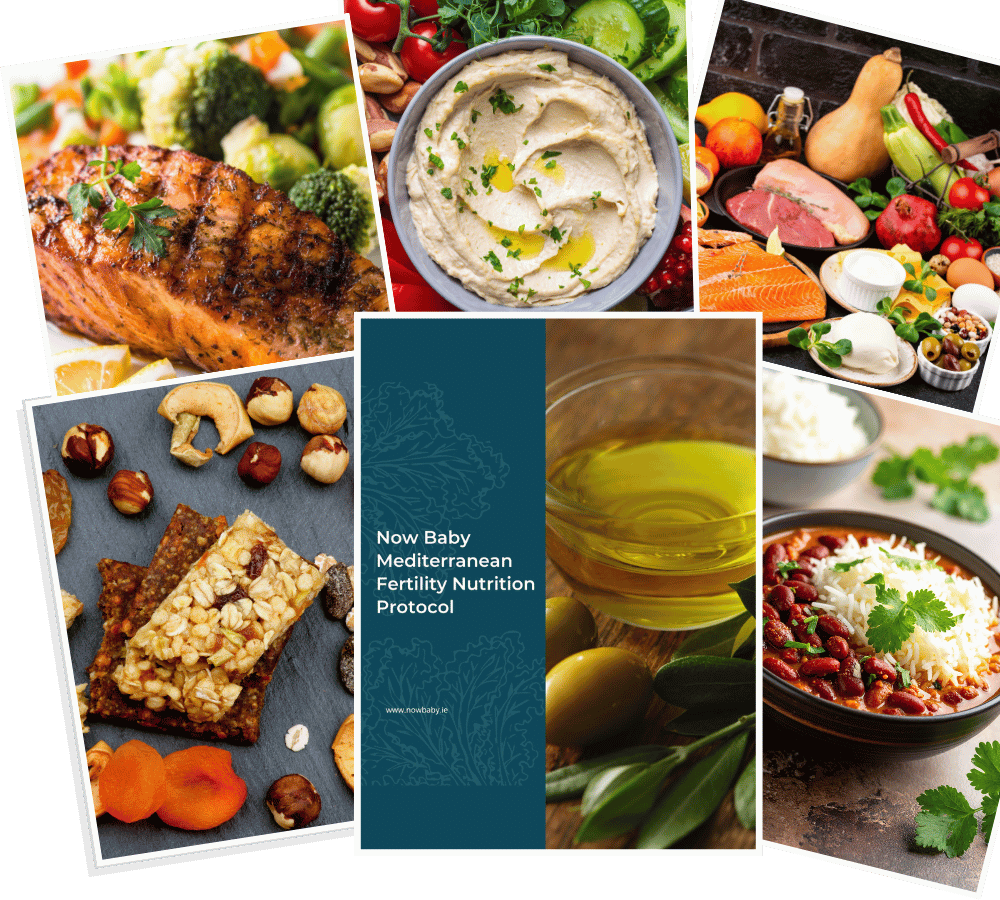
CoQ10 intake from food is shaped by overall dietary pattern rather than by any single meal. Diets that include a range of animal foods, natural fats, and minimally processed ingredients tend to provide small but steady background exposure to CoQ10 over time.
For most people, this background intake reflects how modern eating differs from traditional diets, where energy-dense foods were consumed more regularly across a lifespan. Because CoEnzyme Q10 plays such a significant role in fertility, particularly in support energy for chromosome division, sourcing it intentionally matters.
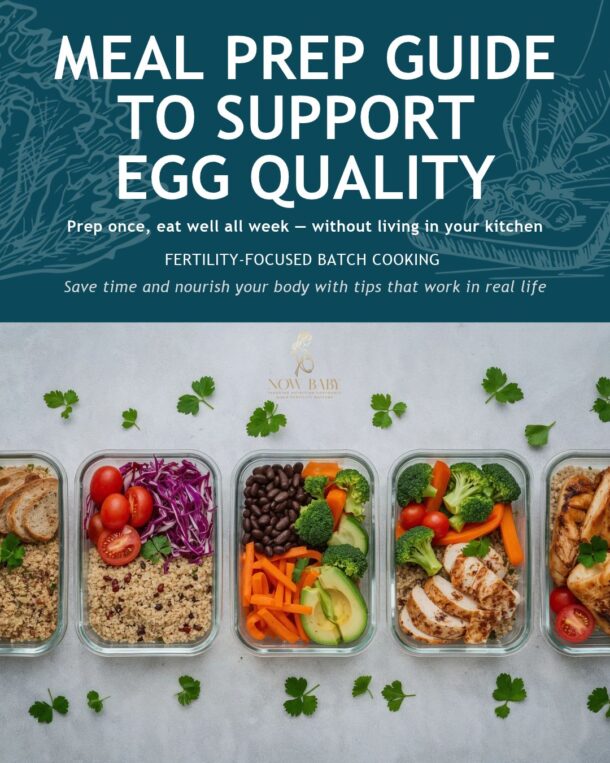
Over my years of working with couples who are trying to conceive, I have found that planning and prepping meals makes that much easier:
- All your shopping for the week can be done at one time, saving you hours.
- By prepping everything in one go, more time is saved.
- By having meals that lend themselves to either being frozen for future use or being good for lunch the next day, less time is spent in the kitchen.
- You save money too, as there is less waste, spoiled food and fewer lunches bought out.
- And, of course, the meals are planned around the foods you want to be eating before conception
Low Energy in Egg and Sperm
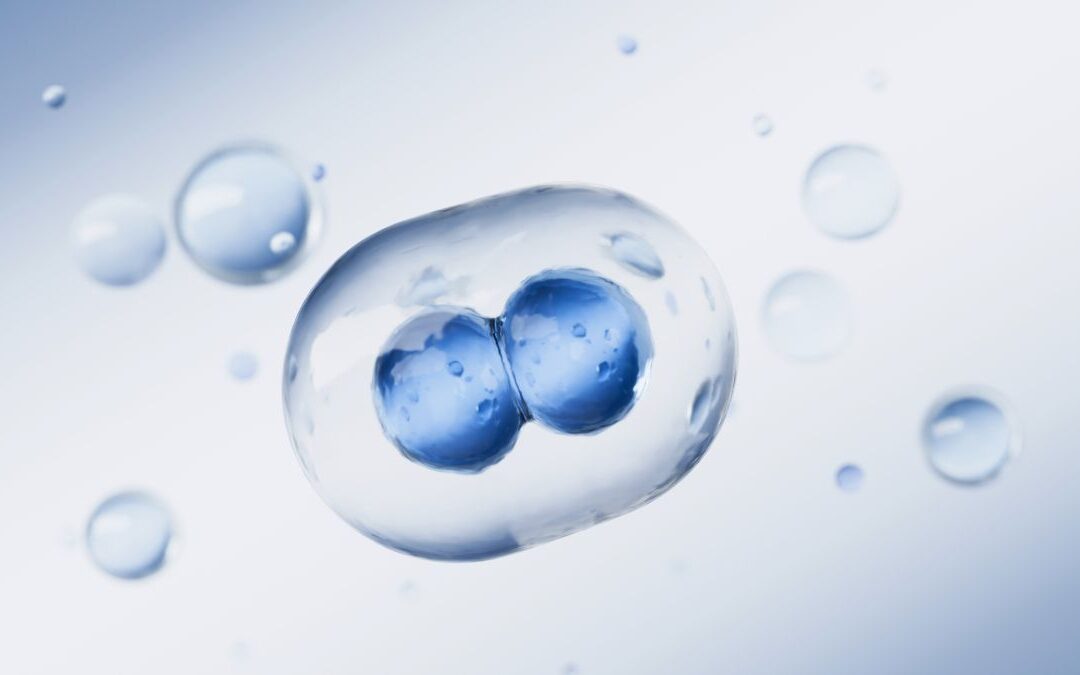
As your egg matures, its chromosomes must divide accurately, and that division draws on mitochondrial energy. When less energy is available, chromosomes may not separate correctly, and an embryo formed from that egg may not develop or implant.
After fertilisation, the embryo depends on the mitochondria it inherits from your egg. The sperm’s mitochondria are broken down once fertilisation takes place, so the energy for the first days of development, before implantation, comes from your egg alone.
For your partner, sperm must swim the length of your reproductive tract and then push through the outer layers of the egg to fertilise it. Both draw on mitochondrial energy, so with less available, sperm can fail to reach your egg or fail to penetrate it.
The egg you ovulate three months from now is already growing, and so are the sperm that will meet it. How they develop over those three months shapes what happens at fertilisation and in the days before implantation.
The Mediterranean Fertility Nutrition Protocol covers those 90 days for both of you, organised around the same stages: egg and sperm development, fertilisation and implantation.