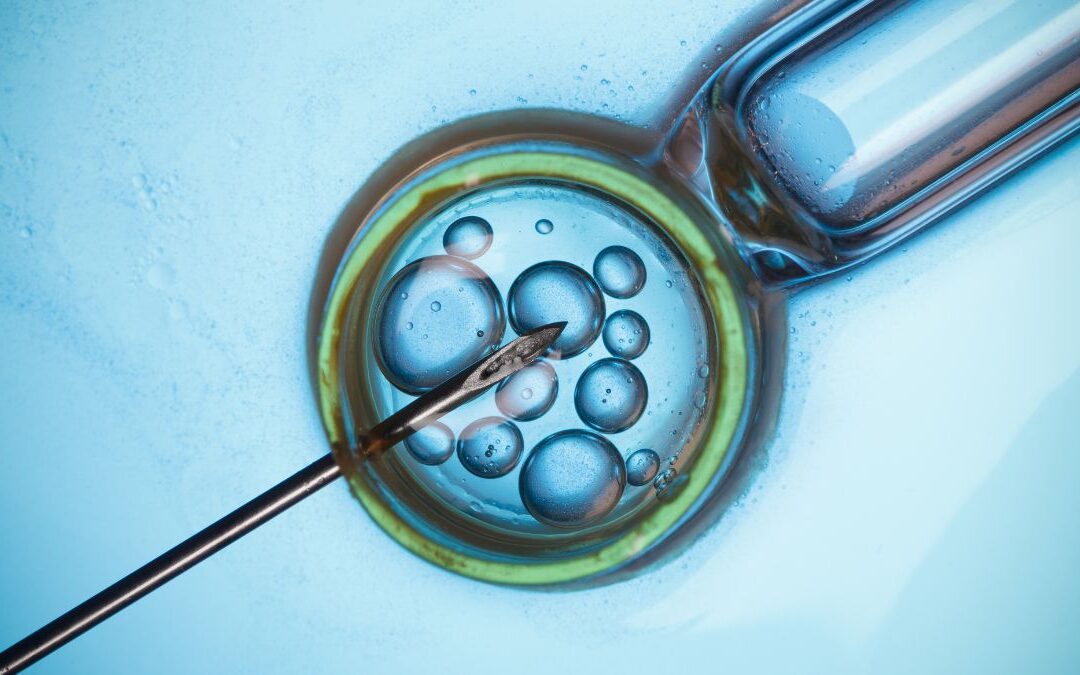

In the days after transfer, your embryo begins hormonal signalling within your body.
Understanding hCG beta numbers helps you interpret how this early hormonal communication reflects how your pregnancy is progressing and how implantation stability is developing.
Human chorionic gonadotropin is released by trophoblast cells as implantation begins to secure within the uterine lining. This hormone supports progesterone function, sustains endometrial receptivity and strengthens the physiological conditions required for early pregnancy progression.
Each beta result reflects how strongly this hormonal signal is reaching your bloodstream at that stage of implantation development.
The first measurable signs that implantation is securing
Beta levels are measured as numerical values that reflect the amount of pregnancy hormone circulating in your blood at the time of testing.
Very early results can vary widely. Around nine to ten days after ovulation or embryo transfer, beta values may be as low as 20 to 50. By eleven to twelve days, levels are often higher, sometimes ranging from 50 to 150 or more depending on implantation timing.
These numbers are not targets. They reflect how far implantation has progressed and how efficiently hormonal signalling is entering circulation.
Many pregnancies that begin with lower early beta values continue progressing normally once implantation secures more deeply over the following days.
Rising hormone patterns as pregnancy physiology strengthens
Implantation unfolds across a dynamic physiological timeline. Hormonal output strengthens as vascular connection develops and embryonic growth continues.
For this reason, clinics often look for beta levels to increase by around 60 percent or more every forty-eight hours in early pregnancy. Many pregnancies show levels that approximately double within this timeframe, although normal variation exists.
Hormonal rise in early pregnancy reflects a process that is still stabilising, which means the internal conditions supporting implantation can continue influencing how strongly these patterns develop.
A steady upward trend suggests that implantation is securing and pregnancy physiology is becoming more established.
When hormonal change follows a different developmental pace
Hormone patterns do not always follow identical curves. Some embryos implant slightly later, which can result in lower initial values that then rise strongly once vascular integration improves.
In other situations, very high early numbers may reflect earlier implantation timing or multiple implantation activity rather than pregnancy strength alone.
The key physiological signal is forward hormonal movement supported by ongoing embryonic development.
The internal conditions that support hormonal signalling
Endometrial blood flow, glucose regulation, micronutrient sufficiency and inflammatory steadiness all influence how efficiently hormonal signaling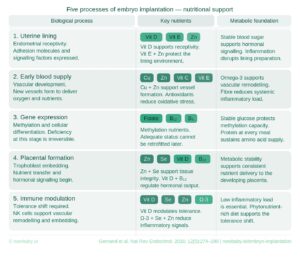 strengthens during early pregnancy establishment.
When vascular adaptation and cellular energy availability are sustained, hormonal communication tends to build with greater continuity. Slower rises can occur while implantation consolidation is still progressing.
At this stage, implantation physiology is still actively strengthening, and the biological environment within your body remains highly relevant to how pregnancy stability continues to build.

Implantation support during this phase helps maintain the physical conditions your embryo relies on as hormonal signaling gathers strength. The Now Baby FET Implantation Support Meal Plan is designed to support metabolic stability and vascular readiness during this implantation stage..