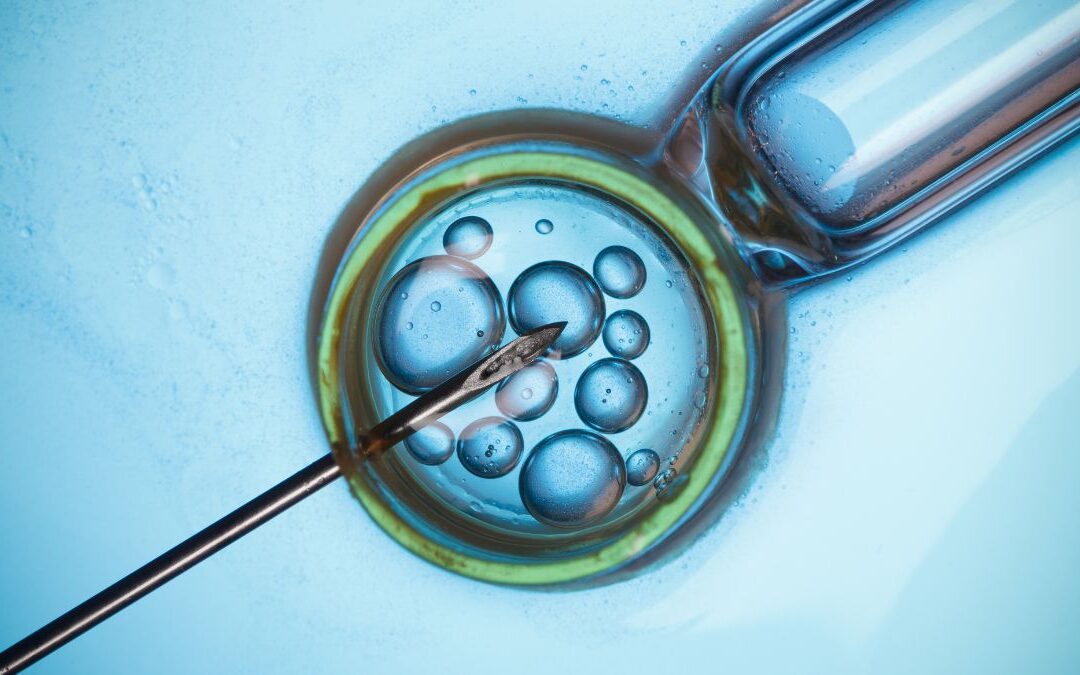

Preimplantation genetic testing IVF identifies chromosomally normal embryos before transfer and is frequently offered as a significant additional cost within IVF packages — yet even a genetically screened embryo does not guarantee a live birth.
Understanding the different types of PGT used in IVF
Preimplantation genetic testing (PGT) is an umbrella term used during IVF to describe genetic analysis of embryos before transfer. There are three main forms used in clinical practice.
PGT-A (Preimplantation Genetic Testing for Aneuploidy)
Screens embryos for the correct number of chromosomes. It is most commonly offered in the context of advanced maternal age, recurrent miscarriage, or repeated IVF failure, and is typically positioned as a way to reduce the risk of transferring an embryo with chromosomal abnormalities.
PGT-M (Preimplantation Genetic Testing for Monogenic conditions)
Used when one or both parents carry a known single-gene disorder. It identifies embryos affected by that specific inherited condition before transfer.
PGT-SR (Preimplantation Genetic Testing for Structural Rearrangements)
Recommended when a parent carries a chromosomal structural rearrangement, such as a balanced translocation, which can increase the risk of miscarriage.
Here we focus specifically on PGT-A, as it is the form most frequently offered as an additional cost within IVF packages and most commonly associated with miscarriage prevention and embryo selection decisions.
Clinical indicators for PGT-A in IVF
PGT-A is typically recommended in the following clinical situations:
- Advanced maternal age
- Recurrent miscarriage with proven embryo aneuploidy
- Repeated implantation failure following IVF
- Previous IVF cycles resulting in embryos identified as aneuploid
- Severe male factor infertility
- A positive PGT-SR result
The stated aim in these contexts is to reduce the likelihood of transferring an embryo with chromosomal abnormalities and, in some cases, to shorten time to pregnancy by prioritising embryos identified as euploid.
The clinical rationale is clear: where chromosomal abnormalities have been identified, selecting embryos classified as euploid — meaning they have the expected number of chromosomes — may reduce the likelihood of transferring an embryo with chromosomal imbalance. But PGT-A does not improve the embryo you transfer. It narrows the field. Once a euploid embryo is selected, the responsibility for implantation and sustained pregnancy shifts entirely to the biology of that embryo and the body receiving it.
Peace of mind
For many couples, the decision to proceed with PGT-A is not driven by statistics alone. It is driven by the desire for reassurance. After miscarriage, failed transfers, or unexpected results, selecting an embryo labelled “normal” can feel like restoring a degree of control.
PGT-A can reduce the likelihood of transferring an embryo with chromosomal abnormalities. That clarity can bring relief. It is also often positioned as a way to prioritise embryos more likely to result in pregnancy, particularly in cycles where embryo numbers are limited or previous transfers have failed.
Yet chromosomal screening occurs after stimulation, egg collection and fertilisation have already taken place. It does not influence how many eggs are retrieved, how many fertilise, or how many develop to blastocyst. It selects from what has already been created.
Peace of mind may come from selection. The number and developmental potential of embryos still depend on what happens earlier in the cycle.
UK regulatory data summarised by the Human Fertilisation and Embryology Authority (HFEA) reports that PGT-A has not been shown in randomised trials to improve live birth rates for most patients undergoing IVF.
Your embryos’ potential starts earlier
IVF is expensive, invasive and physically demanding. Each cycle involves weeks of injections, scans, procedures and emotional strain. By the time an embryo reaches the stage where PGT-A can be performed, stimulation, fertilisation and early development have already taken place.
The number of eggs collected is your starting number. Every stage after that is attrition. Some eggs are immature. Some do not fertilise. Some embryos stop developing before day five. By the time embryos are ready for testing, that number has dropped.
How steep that drop is depends on how the ovaries respond to stimulation, how effectively eggs mature, and the integrity of sperm at fertilisation. In cycles where sperm parameters are low, ICSI may be used to assist fertilisation. ICSI helps a sperm enter the egg. It does not change the biological quality of that sperm. Fertilisation can occur with ICSI, but embryo development still reflects the underlying health and integrity of both egg and sperm.
These are biological variables that can be supported during the cycle itself. They shape how many embryos reach testing and how strong those embryos are. PGT-A then selects from that group.
Live birth reflects the whole cycle
Selecting a euploid embryo addresses chromosomal number. It refines which embryo is transferred.
Live birth reflects everything that led up to that point — how eggs responded during stimulation, how they completed maturation, how sperm contributed at fertilisation, and how embryos developed in the days that followed. These stages determine both the number of embryos available for testing and their developmental capacity.
PGT-A sits within that sequence. It supports selection. The biology that follows — whether in a fresh cycle or a frozen transfer — still depends on the physiological terrain.
Wherever you are in your IVF pathway
PGT-A refines embryo selection. It sits within a wider biological process that continues beyond testing. Whether you are preparing for stimulation, awaiting results, or planning a frozen transfer, the physiology of the cycle remains active.
Egg maturation, sperm integrity, hormonal signalling and endometrial preparation are not fixed events. They continue to influence how embryos develop and how pregnancy progresses. There is room for action at each stage.
Support implantation once embryo selection is complete
Selecting a euploid embryo helps guide transfer decisions.
Implantation, however, depends on how the uterine environment responds in the days that follow.
During this stage, circulation, immune signalling and early placental development are becoming established.
These processes increase nutritional demand at a time when many people feel unsure how best to support their body.
The Now Baby FET Implantation Meal Plan provides structured nutritional preparation for this specific two-week window, helping you nourish the physiological processes that stabilise early pregnancy.

After successful fertilization, implantation is the phase that allows the pregnancy to continue.