Guides to a Fertile Body
Simple, grounded steps to nourish your body without overwhelm.
These guides offer clear, practical support to help you build a nourished, fertile body in your own time.
Each one is designed to remove confusion and give you gentle steps you can take with confidence.
My hope is that you feel supported, steady, and more in tune with your body as you move through them.

Low AMH and high FSH: What does this mean for fertility
When you are trying to conceive, blood tests become part of the landscape. Low AMH and high FSH often raise unnecessary fears about future fertility. They can be clinically important. They can affect treatment planning and, depending on your age, menstrual history and...
Sperm Health Markers
Sperm health is often reduced to a single test result or a pass–fail outcome. In reality, sperm health reflects a series of biological processes that unfold over time. Markers of healthy sperm help describe how sperm are formed, supported, and maintained — not whether...

PIO Shots vs Progesterone Suppositories for FET: Is One Better?
PIO Shots vs Progesterone Suppositories for FET: Is One Better? PIO shots and progesterone suppositories are two progesterone routes used in frozen embryo transfer cycles. PIO stands for progesterone in oil. It is usually given as an intramuscular injection....
Progesterone for Frozen Embryo Transfer: What It Means for Implantation
For you frozen embryo transfer, progesterone replaces the hormone signal that would usually come from ovulation. In a natural cycle, ovulation creates the corpus luteum, a temporary hormone-producing structure that releases progesterone after the egg has been...
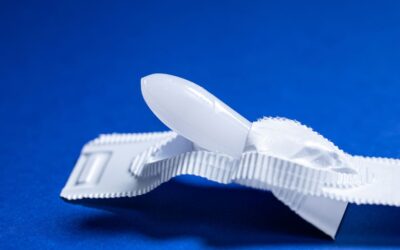
Progesterone Suppositories in FET: Leaking, Discharge and Symptoms
Progesterone suppositories are progesterone medication administered via the vagina in some frozen embryo transfer cycles. Your clinic may prescribe them before embryo transfer, after embryo transfer, or both, depending on your own protocol. A suppository is designed...
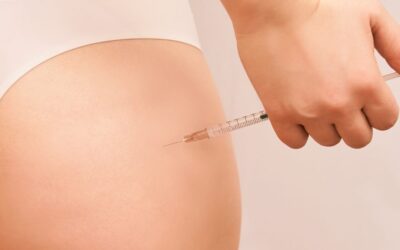
PIO Shots for Frozen Embryo Transfer: What to Know Before FET
PIO stands for progesterone in oil. PIO provides progesterone support to help prepare and maintain the uterine lining according to your clinic’s FET protocol. PIO shots can feel like one of the biggest parts of a frozen embryo transfer cycle before you ever reach...

Euploid Embryo Meaning: What a PGT-Normal Result Really Means Before FET
A euploid result from PGT-A testing is the best result you can hope for from this type of embryo screening. It means the trophectoderm cells biopsied from your embryo showed 46 chromosomes, which matters because embryos with missing or extra chromosomes are less...
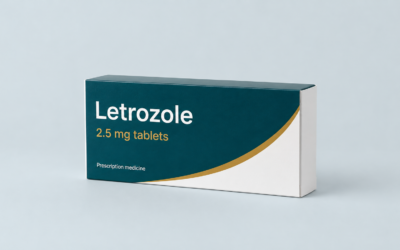
Letrozole for Frozen Embryo Transfer: Why It Is Used
Letrozole is widely associated with ovulation induction, so finding it on a frozen embryo transfer medication plan can seem unexpected. Your embryos have already been created and no eggs are being collected. In an FET cycle, letrozole has a narrower job. Understanding...

Fresh Embryo Transfer Cancelled Due to OHSS: What Happens Next?
You may have reached egg collection expecting the next step to be a fresh embryo transfer. Instead, you developed OHSS and your clinic cancelled the transfer. If an embryo implanted, the resulting rise in hCG could intensify the ovarian swelling and fluid shifts...
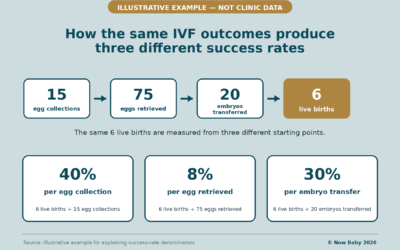
Live Birth Rate Per Egg Retrieved vs Per Embryo Transfer
You can look at one IVF success rate and see a low percentage per egg collected, then look at another and see a much higher percentage per embryo transfer. It can feel as though one of them must be wrong. Usually, neither is. Each percentage starts counting at a...