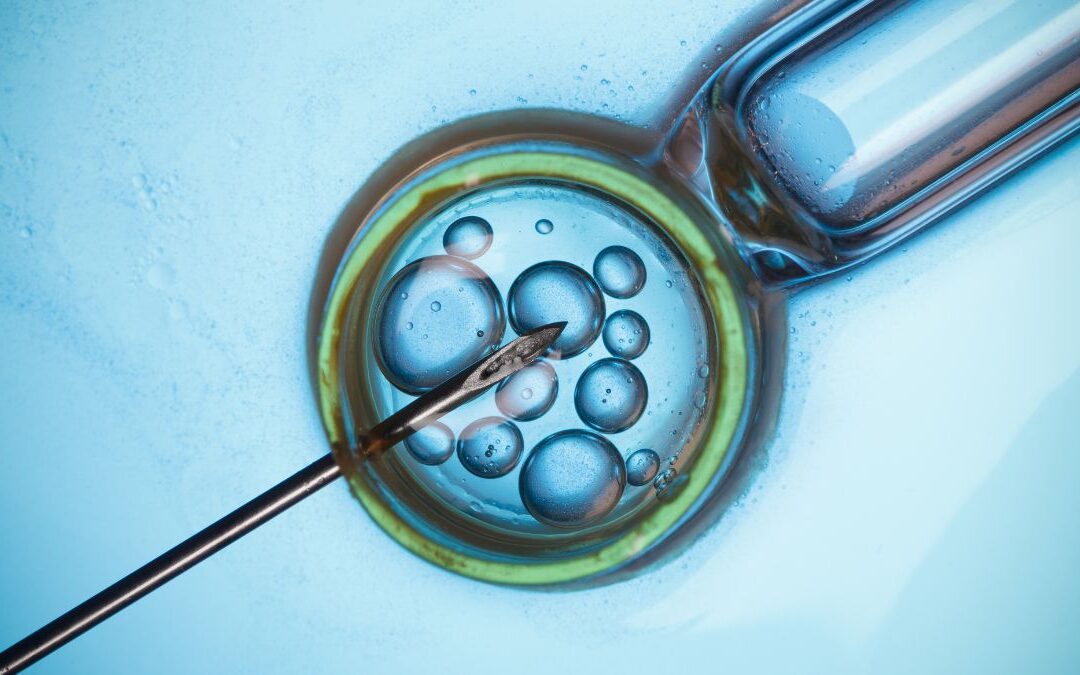

When you are trying to conceive, one of the numbers that will matter to you is your AMH.
AMH is a hormone, it can go up as well as down and it does decline naturally with age. If you are trying to conceive naturally it has little or no impact on your chances because, despite what you may have heard, it is not a measure of ovarian reserve. AMH is a measure of follicular activity, specifically the follicles that have come out of dormancy and are currently maturing in preparation for ovulation.
Dormant follicles – ovarian reserve – do not produce AMH.
If, however you are considering IVF for any reason, a lower AMH may affect the number of eggs available for retrieval and therefore the number of potential embryos you may get. Understanding the lifestyle factors that affect AMH then becomes a matter of importance.

Smoking
Smoking measurably lowers AMH, with current smokers recording between 4% and 44% lower levels across studies. The amount and duration of exposure matter too, with heavier and longer-term smoking associated with a greater likelihood of low AMH. Former smokers did not show the same reduction in some studies, suggesting that at least part of smoking’s effect on measured AMH may be reversible after quitting.
Quitting removes the ongoing exposure, but smoking does not affect AMH in isolation. Cigarette smoke increases oxidative stress and introduces compounds capable of damaging DNA and disrupting the cells surrounding a developing egg. These cells help provide the nutrients, communication and antioxidant protection the egg relies on as it matures.
This makes quitting the first step rather than the only relevant step. Nutrition cannot compensate for continued smoking, but it can influence the nutrient and metabolic environment in which follicles develop after that exposure has been removed. Protein, antioxidants and essential fats provide the raw materials needed for cellular repair, antioxidant defence and membrane structure, while stable blood sugar supports the energy demands of follicles continuing to develop after you quit.
If you currently smoke, reducing the amount reduces your exposure, but quitting removes it. Starting before you are ready to conceive also gives the follicles developing over the months ahead more time without that continued exposure.
Vaping
Research into vaping and AMH is still recent. In a 2026 cross-sectional study of 16,087 women, current vaping was associated with 5.6% lower AMH than never-vaping.
Nicotine may be one reason for this difference. Laboratory research found that nicotine exposure increased oxidative stress and signs of DNA damage in developing ovarian follicles. These follicles must generate energy while protecting the cell structures and genetic material of the egg throughout its development.
Continued nicotine exposure increases the demand placed on the antioxidant systems that protect a developing egg. Targeted nutrition provides the protein, essential fats and antioxidant nutrients used in energy production, cellular protection and membrane maintenance during the development that follows.
Whether AMH rises after vaping stops, and how long any change might take, has not yet been studied. Quitting before conception removes the continuing exposure while follicles are still developing.
Low Body Weight
Low body weight can affect AMH when your body is consistently using more energy than it receives. Restricted eating, heavy exercise or both can cause the brain to reduce the hormonal stimulation sent to the ovaries. Periods may become irregular or stop, and the developing follicles that produce AMH become less active.
AMH can fall with this reduced follicular activity and rise again when ovarian stimulation resumes. The lower result does not mean the same number of dormant follicles has been lost.
When low energy availability is driving the change, the first priority is consistent food intake that covers your daily needs, alongside reducing excessive exercise. This gives ovarian signalling, follicle development and ovulation the energy and nutrients they need to resume.
Hormonal Contraceptives
Hormonal contraceptives can temporarily lower AMH by suppressing the activity of the growing follicles that produce it. The effect is seen with the combined pill, progesterone-only pill, ring and implant, although its size varies between methods. Evidence for the hormonal coil is mixed, while the non-hormonal copper coil does not have the same suppressive effect. AMH has been recorded as 23.7% lower in combined-pill users.
This does not mean contraception has removed follicles or preserved them for later. Dormant follicles do not produce AMH. The lower result reflects reduced activity among the follicles that have already entered development, making AMH measured while using hormonal contraception a less reliable representation of your baseline.
The change is reversible. In a prospective cohort of long-term combined-pill users, AMH increased by an average of 53% after stopping the pill, with values rising for about two months before reaching a plateau.. This recovery occurred because follicular activity resumed, not because new eggs were created or ovarian reserve increased.
Stopping the pill can leave more than follicular activity needing support. Oral contraceptive use has been associated with lower levels of folate, vitamins B2, B6, B12, C and E, magnesium, selenium and zinc. These nutrients are used in DNA synthesis, energy production, antioxidant defence and hormone metabolism during egg development. The gut also contributes to oestrogen metabolism, so restoring digestion and a healthy balance of gut bacteria forms part of rebuilding the environment in which hormone signalling resumes.
Targeted nutrition supports this return by rebuilding nutrient availability and metabolic stability as follicles resume development. It does not drive AMH back up; removing hormonal suppression does that.
Pregnancy
Pregnancy temporarily lowers AMH because it suppresses the usual signalling between the brain and ovaries. Ovulation pauses and the activity of the small developing follicles that produce AMH changes. The lower result reflects reduced AMH production during pregnancy, not an equivalent loss of dormant follicles.
The effect continues after birth while ovarian signalling readjusts. AMH falls by more than half during pregnancy, and postpartum levels vary widely. A test taken during pregnancy or too soon after giving birth can therefore give a misleadingly low result. Waiting at least five months allows the temporary suppression to resolve before AMH is used to assess your baseline.
Vitamin D
Vitamin D can influence the amount of AMH produced by a developing follicle. Vitamin D receptors are present in the granulosa cells surrounding the egg, where vitamin D is involved in AMH signalling, sensitivity to FSH and the production of reproductive hormones. A low vitamin D result can therefore change AMH production without showing that dormant follicles have been lost.
The direction of that change depends on the hormonal environment. Supplementation increased AMH in women without PCOS but reduced it in women with PCOS. In PCOS, a high AMH result often reflects a large number of small follicles that have stalled during development. A reduction after correcting vitamin D is not evidence that ovarian reserve has deteriorated; it may accompany a change in how those follicles respond to hormonal signals.
AMH is not the main reason to correct a vitamin D deficiency. In PCOS, vitamin D supplementation has also been associated with reduced insulin resistance and fasting insulin. That change contributes to the metabolic stability needed to reduce excess androgen production and support follicles as they progress towards ovulation.
If you are planning IVF, correcting a vitamin D deficiency before AMH is used to predict your response may give a more representative result. A higher AMH can indicate that more follicles are available to respond to stimulation and may influence the medication protocol chosen. The change reflects restored AMH production from developing follicles rather than the creation of new eggs.
Your future fertility
Stopping smoking or vaping prevents AMH getting lower. After contraception or pregnancy, AMH can recover as follicular activity resumes. The number can change because it reflects the follicles developing at that time.
Each of those follicles is supporting an egg through the final 90 days before ovulation. During this period, the egg must generate energy, organise its chromosomes and complete maturation within the cellular environment the follicle provides.
Nutrition contributes to that environment every day. Protein, essential fats and micronutrients supply the raw materials used during development, while metabolic stability supports the hormonal conditions in which that development takes place.
The Now Baby 90-Day Nutrition Protocol for Low AMH is built around this full development window for egg and sperm, bringing both partners into 12 weeks of defined fertility nutrition before conception or IVF.
Your egg reserve hasn’t changed but you know which steps can protect or restore your AMH. This professionally created nutrition protocol is how you support the fertility biology taking place as you prepare to conceive.