Vitamin E and fertility often come into focus in the scan room, when endometrial thickness is measured.
The uterine lining builds through expanding blood vessels and rapidly dividing cells.
That growth depends on:
- oxygen delivery
- stable cell membranes
- controlled oxidative balance
Vitamin E participates in each of these processes.
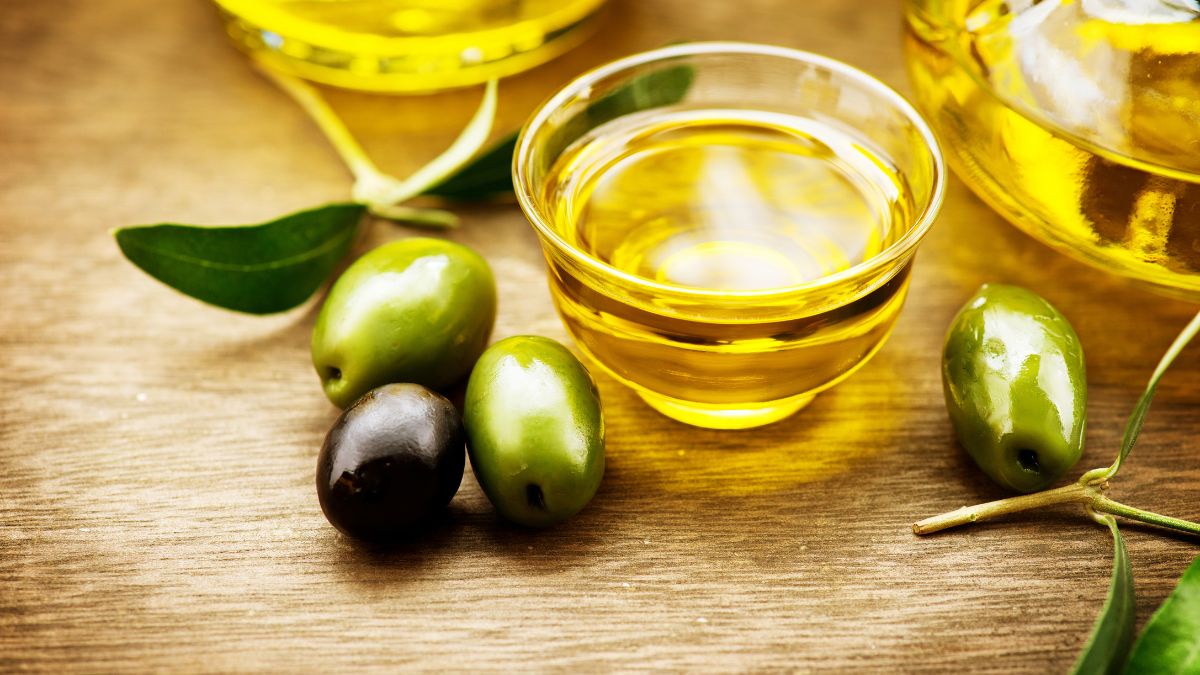
Found abundantly in olive oil, nuts and seeds—cornerstones of the Mediterranean diet—vitamin E sits within the outer layer of cells, protecting the fats that give structure to reproductive tissue. Where implantation requires thickness, circulation and cellular stability, vitamin E forms part of the biological groundwork.
What Is Vitamin E?
Vitamin E is a fat-soluble vitamin composed of a group of compounds known as tocopherols and tocotrienols.
It is an essential nutrient, meaning it must be obtained from the diet.
Vitamin E functions mainly within cell membranes. Its central biological role is antioxidant protection—helping prevent damage within cell walls. It also participates in immune regulation, cell signalling and gene expression.
How Much Vitamin E Does the Body Require?
The European Food Safety Authority (EFSA) sets an Adequate Intake (AI) for vitamin E at:
13 mg per day for adult women
13 mg per day for adult men
(values expressed as alpha-tocopherol equivalents)
EFSA reference values are designed to maintain adequacy across populations and prevent deficiency. They represent intake levels associated with general health maintenance, not therapeutic targets.
Absorption depends on dietary fat intake. Tissue demand may increase during periods of heightened oxidative activity or rapid tissue growth, including phases relevant to reproductive physiology.
The Role of Vitamin E in Fertility
Implantation requires a lining that is thick, well supplied with blood and biologically stable. Endometrial growth depends on circulation and protection of rapidly dividing cells. Vitamin E contributes to both.
The outer layer of every cell contains fats that are vulnerable to oxidative stress. In the uterine lining, those cells are building and changing across the menstrual cycle. Vitamin E helps protect these cell membranes during that process.
Circulation matters in both partners. Blood flow supports the development of a receptive lining. In men, blood flow supports reproductive tissue and sperm production. Sperm membranes are rich in delicate fats and depend on antioxidant protection to maintain structure and movement.
Vitamin E supports the health of blood vessel lining and contributes to the environment that allows oxygen and nutrients to reach reproductive tissue. It is frequently studied alongside selenium and zinc in relation to sperm motility and antioxidant status in semen.
Food Sources of Vitamin E
Vitamin E is most abundant in plant-based fats.
Key sources include:
Extra virgin olive oil
Almonds
Sunflower seeds
Hazelnuts
Wheatgerm oil
Avocado
Spinach and leafy greens
Antagonists of Vitamin E
Vitamin E availability can be affected by factors that increase oxidative stress or interfere with dietary balance.
These include:
Smoking
Chronic inflammation
High intake of heavily processed oils exposed to heat
Very low-fat diets
When oxidative stress rises, vitamin E is used more rapidly within tissues.
Synergists of Vitamin E
Vitamin E works alongside other nutrients rather than alone.
These include:
Dietary fat, which supports absorption
Vitamin C, which helps recycle vitamin E after it has been used
Selenium, which supports antioxidant protection in cells
Together, these nutrients help maintain balance within reproductive tissue.
Bringing Vitamin E Into Everyday Nourishment
Leafy greens dressed with extra virgin olive oil, topped with toasted almonds and seeds.
Discover how easy it is to get all 15 essential nutrients into a single day with this free meal plan.

When Food Alone May Not Be Sufficient
Food remains the foundation of fertility nourishment. Whole foods provide vitamin E within natural structures that include supportive fats and complementary nutrients.
Modern food systems, storage practices and increased oxidative stress can widen the gap between intake and tissue demand. During periods of reproductive focus, structured supplementation can be used alongside food to help bridge this gap.
Supplements function as scaffolding within a broader nourishment framework, supporting everyday dietary intake rather than replacing it.
Food is always the foundation of fertility nourishment.
In real life, nourishment does not come from food alone.
Modern food systems, individual physiology, stress load and increased reproductive demand can mean that—even with good nourishment—nutrient supply does not always meet tissue needs.
For those who want structured support alongside food, we offer a fertility-focused supplement bundle designed to work with nourishment, not replace it.
Each product is selected for quality, formulation and suitability for fertility physiology, and is intended to complement everyday eating rather than override it.
Why Nutrients Are Considered Together
Nutrients work in networks.
Vitamin E functions alongside vitamin C, selenium and the natural fats within cell membranes. Reproductive physiology reflects steady supply over time rather than isolated intake on a single day.
Consistency of whole-food nourishment supports implantation, circulation and cellular stability as integrated processes.
At Now Baby, we support fertility through physiology-led nourishment, translating complex biology into everyday food.
You can read about other essential nutrients for fertility here;