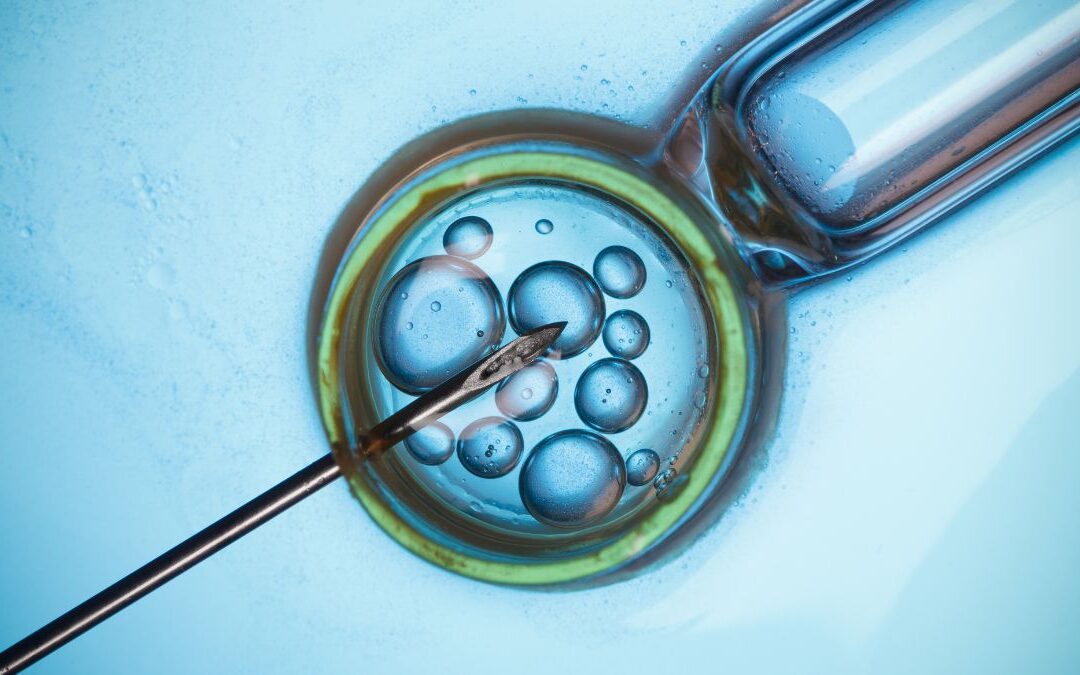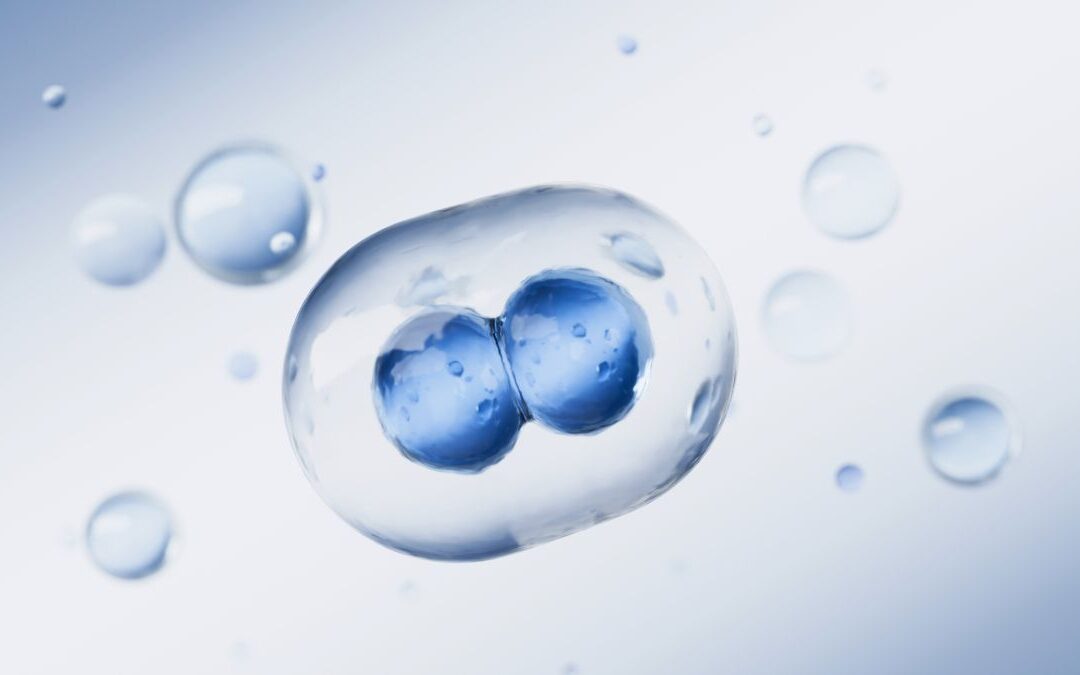

Being over 40 increases the statistical risk that an egg will contain the wrong number of chromosomes. But age is not the only risk factor acting on that egg. During the months before ovulation, the egg develops within a metabolic and nutritional environment influenced by factors you can change. You cannot change your age, but you can change important conditions surrounding the egg you may conceive with.
Advanced maternal age is a risk category, not an assessment of your egg
Advanced maternal age tells you when chromosome abnormalities, miscarriage and difficulty conceiving become more common across a population.
It does not examine the egg developing in your ovary now.
Your age cannot tell you whether the egg released in your next cycle will contain the expected number of chromosomes. It cannot tell you whether that egg will fertilise, whether an embryo will continue developing or whether you will become pregnant naturally.
The higher risk after 40 is real. But a higher proportion of eggs with chromosome abnormalities is not the same as every egg having a chromosome abnormality.
Natural conception depends on the individual egg and sperm involved in that conception.
Current research explains what happens behind the age statistic
The phrase “age-related egg quality” can make it sound as though an egg simply becomes old while waiting inside the ovary.
The biology is more active than that.
An egg develops inside a follicle, supported by the cells surrounding it. These cells process glucose and fats, supply amino acids and help provide the mitochondrial energy and antioxidant protection needed as the egg matures.
The egg must also organise and separate its chromosomes accurately. An error during chromosome separation can leave the egg with too many or too few chromosomes. This may prevent fertilisation, interrupt embryo development or contribute to miscarriage.
A 2025 review of follicular metabolism, egg aneuploidy and ovarian ageing connects age-related chromosome risk with changes in:
- glucose metabolism;
- lipid metabolism;
- amino acid metabolism;
- mitochondrial energy production;
- oxidative stress and antioxidant protection.
These processes become more vulnerable with ovarian ageing. They also continue to depend on the metabolic and nutritional environment surrounding the developing egg.
That is the part of advanced maternal age advice that is often missing. You may be told that chromosome risk rises after 40 without being told that the biological processes behind that risk still have nutritional requirements.
The older egg also has DNA repair work to do
The egg’s work does not end when its own chromosomes have separated.
After fertilisation, the egg must attempt to repair DNA damage carried by the sperm in the earliest stages of embryo development. Its ability to do this depends on the repair capacity developed within the egg before conception.
Ovarian ageing can affect this repair capacity in several connected ways:
- important DNA-repair proteins become less available;
- oxidative stress creates more damage within the egg itself;
- mitochondrial dysfunction can reduce the energy available for repair;
- accumulated cellular damage increases the demands placed on the remaining repair machinery.
The nutrition available while the egg develops therefore matters beyond maturation and chromosome separation. It also supports the energy and antioxidant resources the egg may need to repair sperm DNA after fertilisation.
Maternal and paternal age interact after fertilisation
Age-related fertility risk does not belong to the woman alone.
As men age, oxidative stress within the reproductive system tends to increase while antioxidant protection and DNA-repair activity during sperm production become less effective. This contributes to higher sperm DNA fragmentation and a greater chance that the fertilising sperm will carry damaged DNA.
Sperm DNA damage generally rises with age. Smoking, excess weight, poor diet, heat and environmental exposures can add further avoidable damage throughout the reproductive years.
A satisfactory semen analysis does not assess DNA integrity. It measures the number, movement and appearance of sperm in one sample. It cannot show how much DNA damage the fertilising sperm may carry, and the result can change as new sperm are produced.
After fertilisation, these two age-related vulnerabilities meet: the sperm may bring more DNA damage while the older egg may have less capacity to repair it before the embryo’s first cell division.
Higher sperm DNA damage has been associated with a longer time to pregnancy, reduced fertilisation, disrupted embryo development and an increased risk of miscarriage.
For natural conception over 40, fertility success depends on supporting the older egg’s repair capacity while reducing the avoidable sperm DNA damage it may have to repair.
Your daily nutrition becomes part of the biological picture
Egg maturation, chromosome separation, DNA repair and sperm development depend on a reliable supply of energy, protein, fats and micronutrients.
Protein supplies amino acids used to build enzymes, cellular structures and antioxidant compounds. Fats contribute to cell membranes, energy metabolism and signalling. Glucose provides energy, while fibre and the way meals are combined help regulate its delivery. Vitamins and minerals are required by the enzymes involved in energy production, DNA synthesis, antioxidant defence and cellular repair.
These requirements have to be met repeatedly during development.
A low-protein breakfast, long gaps without food, coffee replacing meals or most of the day’s protein arriving at dinner can leave energy and amino acid availability poorly distributed across the day.
Metabolic stability depends on when you eat, how much protein you consume and how protein, fibre, carbohydrates and fats are combined.
CoQ10 and fertility supplements can provide individual nutrients. They cannot create that metabolic stability or compensate for nutritional gaps across egg and sperm development.
After 40, supplements without targeted nutrition leave much of the biology identified by the research unsupported.
Natural conception over 40 is not a monthly lottery
You may have been told that natural pregnancy now depends on waiting for a “good egg”.
That turns every cycle into another month of hoping, while the egg and sperm for future cycles continue developing without a targeted preparation plan.
During that development, mitochondrial energy, antioxidant protection, metabolic stability, protein and amino acid availability and avoidable sperm DNA damage remain modifiable.
These are the risk factors you can begin addressing while continuing to try naturally.
Why starting today matters after 40
The egg and sperm that may create your baby are developing now. The egg progresses through months of follicle development before ovulation, while new sperm take approximately three months to develop.
That makes the next 90 days a defined biological window in which to support:
- follicular metabolism;
- mitochondrial energy production;
- chromosome separation;
- antioxidant protection;
- the egg’s DNA-repair resources;
- sperm development and DNA integrity;
- fertilisation, implantation and early embryo development.
Knowing that these processes matter is only useful if you have a practical way to support them every day.
The Now Baby Over 40 Fertility Nutrition Protocol brings the nutritional and metabolic requirements identified by this research into one complete 90-day system for both partners.
It coordinates support for follicular metabolism, chromosome separation and the older egg’s DNA-repair capacity with targeted preparation for sperm development and DNA integrity. That preparation continues through fertilisation, implantation and early embryo development.
The protocol gives you the precise daily structure to put this research into practice, rather than trying to assemble a plan from supplements, conflicting advice and isolated dietary changes.
Get the Now Baby Over 40 Fertility Nutrition Protocol
First-time mama at 44 after an early miscarriage
At 43, this mama had been trying for her first baby for more than two years. She had experienced an early miscarriage and completed two unsuccessful rounds of Clomid before beginning the Over 40 Fertility Nutrition Protocol alongside her third.
At 44, she welcomed a healthy baby boy.
Read her complete fertility success story at 44.
Begin your 90 days now
Give the egg and sperm that may create your baby the complete 90 days of targeted preparation.