
Guides to a Fertile Body
Simple, grounded steps to nourish your body without overwhelm.
These guides offer clear, practical support to help you build a nourished, fertile body in your own time.
Each one is designed to remove confusion and give you gentle steps you can take with confidence.
My hope is that you feel supported, steady, and more in tune with your body as you move through them.

Second Embryo Transfer Success Rate: Are Your Chances Different?
After a failed first transfer, it can feel as though the odds have already moved against you. They have not automatically changed because this is your second attempt. Here, a failed transfer means that the pregnancy test was negative. A biochemical pregnancy or...
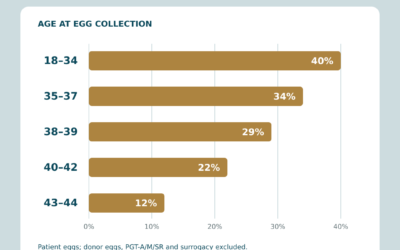
Frozen Embryo Transfer Success Rates by Age
When you look at frozen embryo transfer success rates by age, the first thing you need to know is which age the figures refer to. For the embryo’s age-related chromosome risk, the relevant age is your age when the egg was collected, not your age when the embryo is...
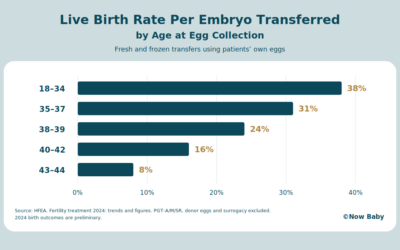
Embryo Transfer Success Rates: Why 2 in 3 Do Not Lead to a Live Birth
When you are preparing for an embryo transfer, a success rate does not feel like a statistic. It feels personal. Even more so when this may be your last embryo. Across embryo transfers overall, approximately two in three do not result in a live birth. That does not...
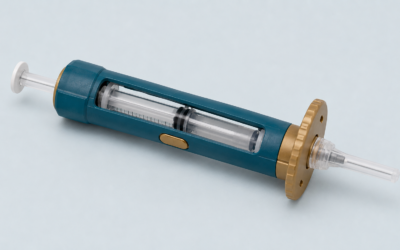
Auto injector for PIO shots
When your clinic tells you that you will be using progesterone in oil for your frozen embryo transfer, the medication itself may not be your first concern. It may be how you are going to inject it. PIO is usually given as an intramuscular injection into the upper...
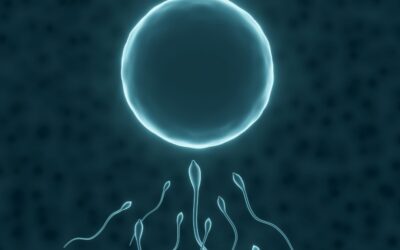
Egg and Sperm Quality: What Actually Shapes Fertility Outcomes
When fertility doesn’t progress as expected, the explanation is often over-simplified. You were born with all your eggs.Egg quality can’t really be changed.Sperm looks fine.IVF will take care of the rest. For many women, these explanations don’t match what they...

Missed Progesterone Dose After FET: What to Do
Realising you have missed a progesterone dose after FET can make one mistake feel bigger than the entire protocol you followed to reach transfer. Before beta, the fear is that you have disrupted implantation. After a positive beta, the fear is for the pregnancy your...
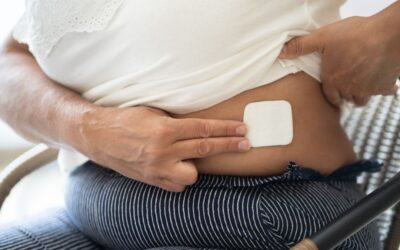
Oestrogen Before Frozen Embryo Transfer: Why It Is Used
A medicated frozen embryo transfer cycle uses prescribed hormones to prepare the uterine lining and control the timing of embryo transfer. Oestrogen and progesterone are given in sequence because each hormone has a different role in preparing the lining. Oestrogen...

Fresh vs frozen embryo transfer – which is best
By the time embryo transfer is being planned, your body is already shaping the conditions your embryo will meet. Transfer timing determines when your embryo is placed into your uterus.Your body determines what happens next. It is not simply a choice between fresh or...

Implantation Failure After Embryo Transfer: How to Support Your Next Transfer
Two out of three untested embryo transfers do not lead to a live birth. Implantation failure is not a rare outcome at the edges of IVF. It is part of the reality of embryo transfer for most couples. When your pregnancy test is negative, the result is clear. The reason...
Does Embryo Glue Work? What the Regulator Assessment Actually Shows
The transfer is booked. Your embryo is ready. And somewhere in the paperwork, Embryo Glue has appeared — an addition to the transfer medium that your clinic says may help the embryo attach. It is a small thing to say yes to. A substance added to the fluid surrounding...