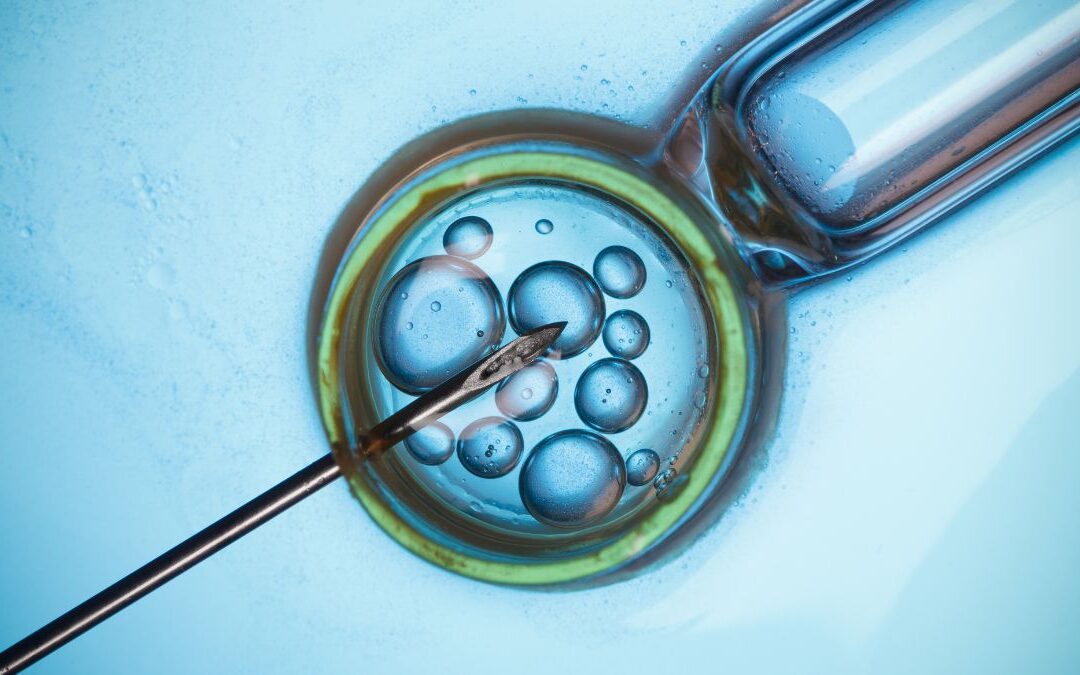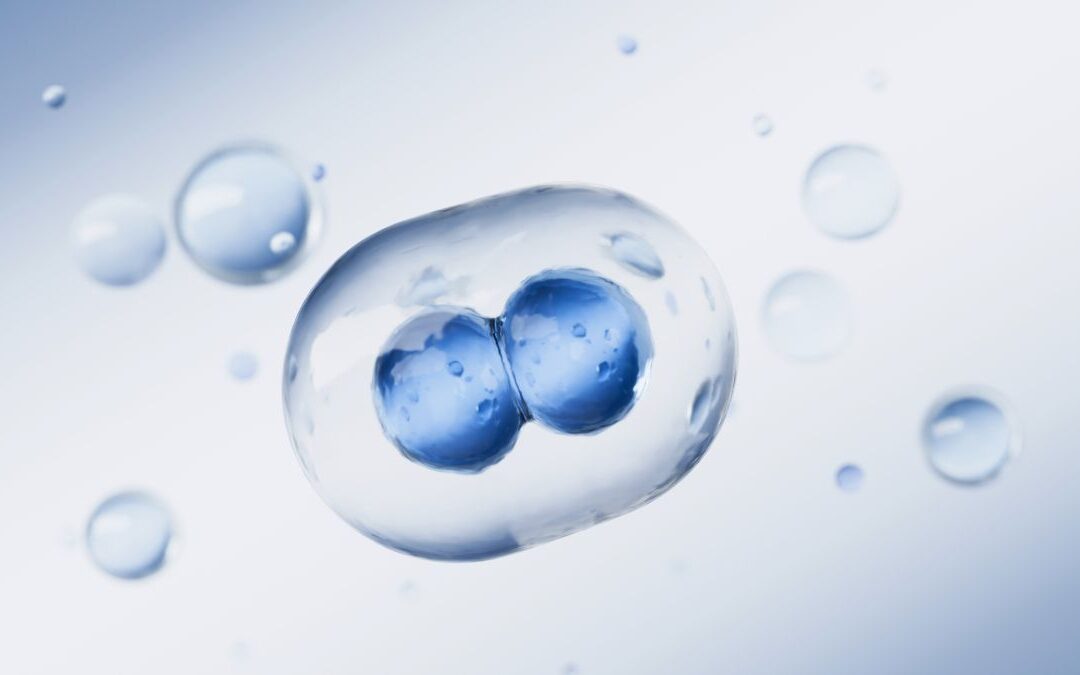
Uterine lining and fertility are closely connected, because implantation depends on a lining that has developed adequately in the weeks before ovulation.
Vitamin A for fertility supports mature egg development, uterine lining, implantation, and early formation of the placenta.
Vitamin A is involved throughout the menstrual cycle. In the weeks before ovulation, it supports the final preparation of the egg. At the same time, it contributes to the building of the uterine lining. If fertilisation occurs, implantation follows, and the placenta begins to form to support early pregnancy. Adequate Vitamin A availability supports each of these stages in sequence.
What Is Vitamin A?
Vitamin A is a fat-soluble vitamin required for normal cell growth and tissue formation. It is found in two dietary forms: retinol, which comes from animal foods, and carotenoids, which come from plant foods such as carrots and leafy greens.
Retinol is the form the body uses directly. Carotenoids must be converted into retinol before they can be used. Because Vitamin A is fat-soluble, it is stored mainly in the liver and released when needed.
How Much Vitamin A Does the Body Require?
The European Food Safety Authority (EFSA) sets a Population Reference Intake of 650 micrograms of retinol equivalents per day for adult women and 750 micrograms per day for adult men.
These values are designed to prevent deficiency across a population. They do not measure individual tissue levels or reflect differences in absorption, conversion from carotenoids, or changing physiological demand.
Retinol equivalents are used because carotenoids from plant foods must be converted into active Vitamin A, and this conversion rate varies between individuals.
The Role of Vitamin A in Fertility
In the weeks before ovulation, one dominant follicle prepares an egg for release. During this time, Vitamin A supports the final maturation of that egg. At the same time, the lining of the uterus builds in readiness for implantation. If fertilisation occurs, implantation follows, and the placenta begins forming soon after. Vitamin A supports these early stages as the pregnancy moves from implantation to establishing its own blood and nutrient supply.
In men, Vitamin A supports sperm production in the testes. As sperm cells develop and mature, adequate Vitamin A availability contributes to normal formation before they are released into the semen.
Food Sources of Vitamin A
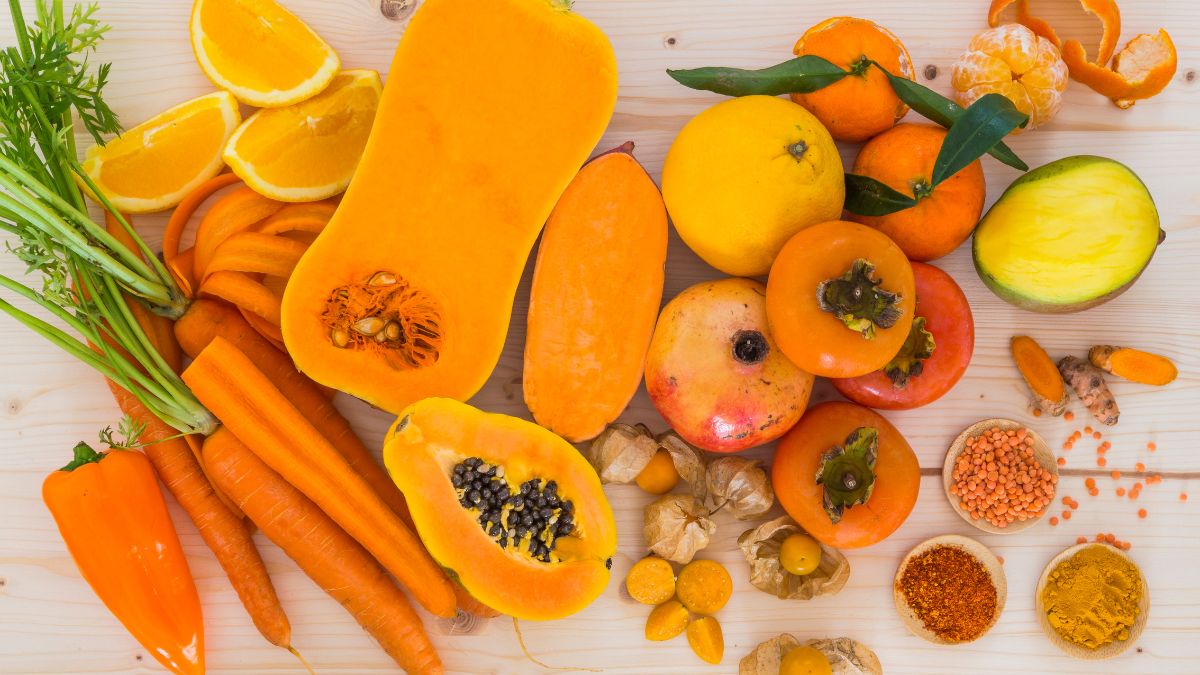
Vitamin A is found in everyday foods many women already eat. Eggs and colourful vegetables such as carrots, sweet potatoes, and leafy greens provide it in forms the body can use or convert as needed.
Retinol sources include liver, eggs, and meat. Carotenoid sources include carrots, sweet potatoes, spinach, kale, and red peppers.
Antagonists of Vitamin A
Vitamin A is absorbed alongside fat, so a very low-fat diet can reduce how much your body takes in from food.
Because it is stored in the liver, regular alcohol intake can interfere with how it is stored and released when needed.
Ongoing stress or inflammation increase the body’s overall need for nutrients, which can place additional demand on Vitamin A supply.
Synergists of Vitamin A
Vitamin A is absorbed alongside fat. Eating carrots with olive oil, spinach with butter, or eggs with full-fat dairy increases how much the body can take in.
Zinc supports how Vitamin A is used once absorbed, which is why diets that include meat, shellfish, seeds, or dairy support both nutrients together.
Bringing Vitamin A Into Everyday Nourishment
Vitamin A appears naturally in meals built around whole foods. Liver, eggs, lamb, spinach, kale, butternut squash, and red peppers all contribute meaningful amounts.
Because it is fat-soluble, pairing colourful vegetables with olive oil or cooking them alongside meat or eggs supports absorption.
Regular inclusion in ordinary meals supports steady availability.
Nutritional Support During the Implantation Window
During implantation, the embryo is establishing circulation, immune tolerance and early placenta structure.
These processes increase nutritional demand at a time when you may be unsure how to support your body in practical, everyday ways.
Now Baby Implantation Meal Plan provides structured nutritional support for this critical two-week window, helping you nourish the physiological processes that stabilise early pregnancy.
After successful fertilization, implantation is the phase that allows the pregnancy to continue.
Explore the Implantation Meal Plan
When Food Alone May Not Be Sufficient
Food is the foundation of Vitamin A intake. Over time, eating patterns have shifted away from nose-to-tail cooking, and foods such as liver are now eaten far less frequently. The same shift has reduced intake of other fertility-relevant nutrients such as CoQ10, which is also concentrated in organ meats.
Low intake of these richer sources, very low-fat diets, or limited conversion of carotenoids can reduce overall supply.
In these situations, food intake may not always meet the body’s needs. This is the fertility support multi vitamin containing beta carotene which we use in clinic.
Food sources remain an important contributor, and individual needs vary
Why Nutrients Are Considered Together
Nutrients do not function in isolation. Vitamin A works alongside fats for absorption and relies on other nutrients, including zinc, for transport and use within the body.
Reproductive tissues depend on consistent nutrient supply across the menstrual cycle and into early pregnancy. This is why overall dietary pattern matters more than focusing on a single nutrient in isolation.
Steady intake over time supports the physiological processes involved in egg maturation, lining development, implantation, and placental formation.
We support fertility through physiology-led nourishment, translating complex biology into everyday food.
You can read about other essential nutrients for fertility here;