
Guides to a Fertile Body
Simple, grounded steps to nourish your body without overwhelm.
These guides offer clear, practical support to help you build a nourished, fertile body in your own time.
Each one is designed to remove confusion and give you gentle steps you can take with confidence.
My hope is that you feel supported, steady, and more in tune with your body as you move through them.

Chemical Pregnancy after IVF
A chemical pregnancy after IVF means implantation began but did not hold. Your embryo initiated contact with the endometrial surface.Early attachment activity started.Pregnancy hormone became detectable.But the biological progression required to sustain early...

Magnesium for Egg Development, Sperm Function and Implantation
Magnesium and fertility are closely linked through the energy systems that support your baby’s earliest beginnings. From the maturation of the egg and the movement of sperm, to the rapid cellular activity that follows implantation, magnesium helps regulate the...
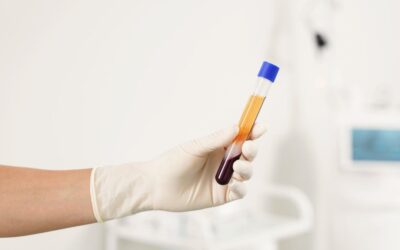
PRP IVF: What the Regulator Assessment Actually Shows
You are ready to transfer. The embryo is stored. But your lining is not where your clinic wants it to be — not thick enough, not responding the way it should, not yet creating the conditions the embryo needs to arrive into. Platelet-rich plasma, infused directly into...

Recurrent Implantation Failure: What the Regulator Says About Immune Add-Ons
The embryos were good. The transfers were done correctly. And each time, your embryo didn't make it. If you have been through this more than once, you already know that recurrent implantation failure is one of the hardest places to be in fertility treatment — because...

5 ways hormonal birth control affects fertility
As a teenager growing up in Catholic Ireland in the seventies, contraception – and certainly “the pill” – was not an option. Condoms were only accessed by train trips to Northern Ireland where they were easily available. Even when the pill became available by...

ERA Test IVF: What the Regulator Assessment Actually Shows
A failed transfer of a good-quality embryo is one of the hardest things to make sense of. The clinical numbers said the embryo was strong. The lining looked right on the scan. The protocol was followed. And still, no pregnancy. When that happens, the conversation...
How Long Do You Take Progesterone After FET?
As you approach frozen embryo transfer, you will start wondering about the next phase of your progesterone medication. How much longer will you need it, and is there any risk when you stop? You have relied on progesterone to prepare and maintain your uterine lining,...
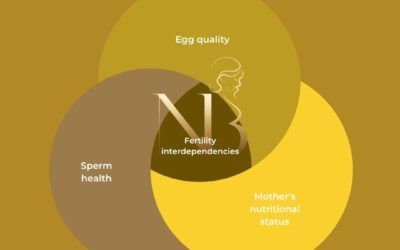
Embryo Implantation After FET: What Must Happen for Pregnancy to Continue
Two in three untested frozen embryo transfers do not result in a live birth. Embryo implantation after frozen embryo transfer is often described as the moment the transferred embryo attaches to the uterine lining. But attachment alone does not determine whether a...

Low Progesterone After Frozen Embryo Transfer: What It Can Mean
As an IVF warrior, you know progesterone has a central role after embryo transfer and you are probably paying close attention to your results. A blood result reported as low can make it feel as though implantation is already slipping away. But progesterone levels...

Missed Progesterone Dose Before FET
A missed progesterone dose before frozen embryo transfer needs prompt advice from the clinic managing your cycle. Contact the clinic and include the progesterone name and strength, how you take it, when the dose was due, when you realised and anything you have taken...