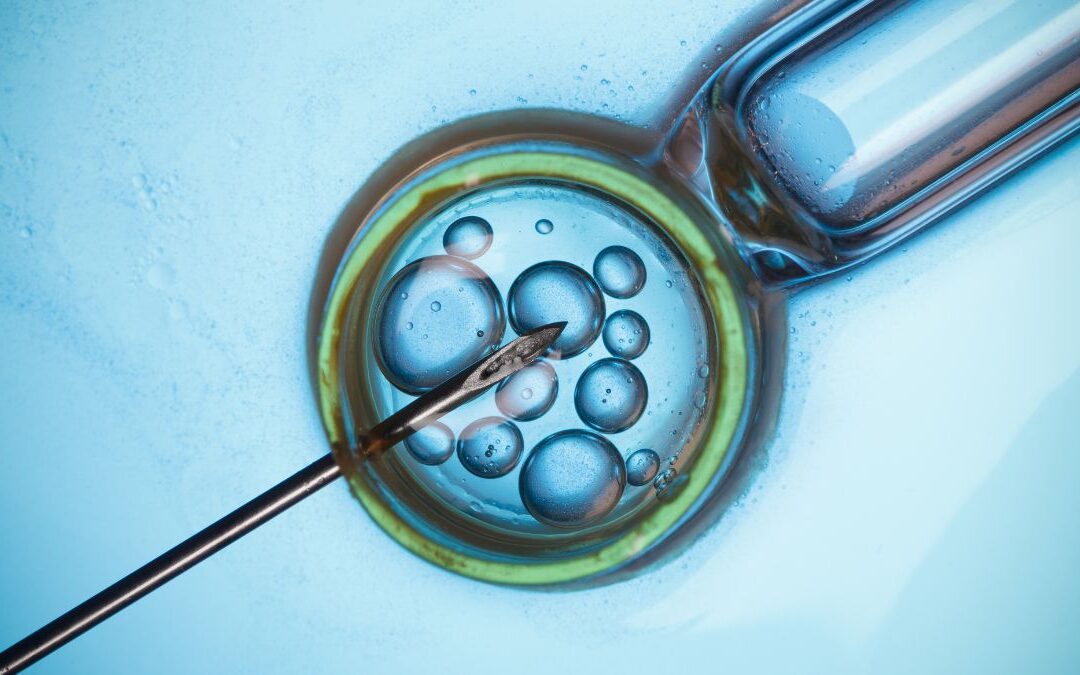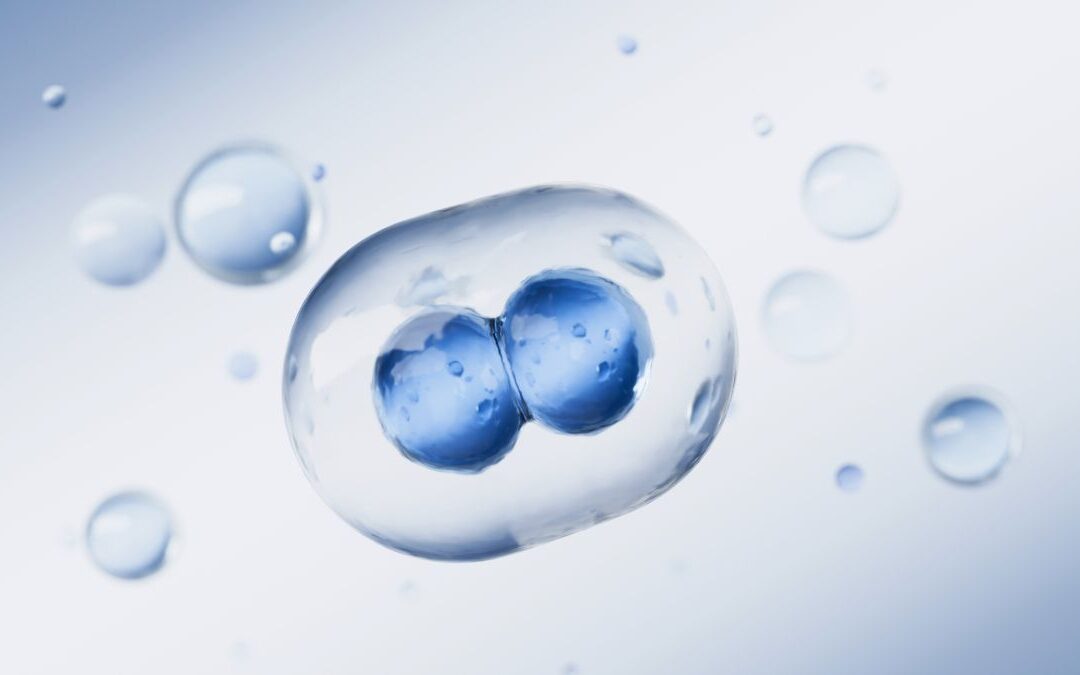
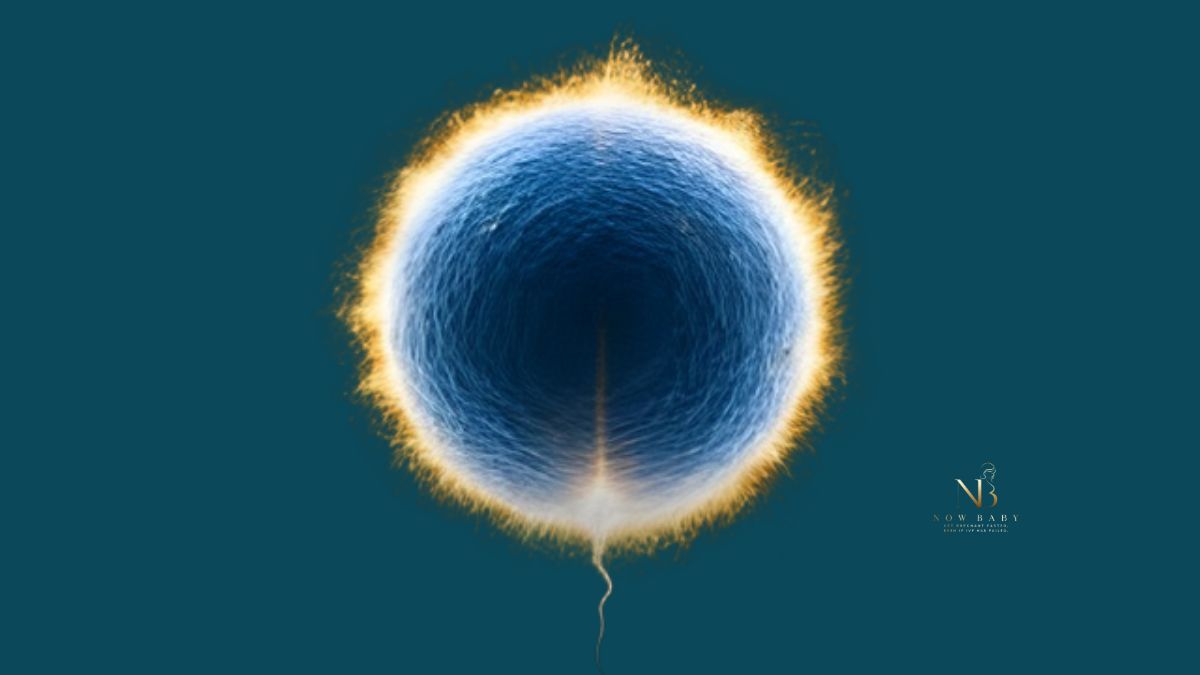
Zinc for fertility carries one of the most remarkable moments in human biology. At the instant a sperm fuses with the egg, the egg releases a rapid burst of zinc — a measurable event known as the zinc spark. Under specialised imaging, this release appears as a brief flash of light, signalling that the egg has activated and embryonic life has begun.
Long before that visible spark, zinc has been shaping the conditions required for it to occur. It supports sperm development, contributes to chromosomal stability during egg maturation and underpins the enzyme activity and hormonal signalling that sustain the 90-day development window and the earliest stages of the baby’s life.
What Is Zinc?
Zinc is an essential trace mineral that must come from food or supplements. The body does not make it, and it does not store large amounts of it, so regular intake is required.
Although needed in small quantities, zinc is involved in thousands of reactions across the body. It is present in every tissue, supporting normal cell growth, repair and communication from one generation of cells to the next.
How Much Zinc Does the Body Require?
Zinc requirements for European populations are defined by the European Food Safety Authority (EFSA), which sets Population Reference Intakes (PRI) based on levels estimated to meet the needs of almost all healthy individuals.
For adult women, EFSA sets a PRI of 7–10 mg per day. For adult men, the PRI is 9–16 mg per day.
These reference values are designed to prevent deficiency at a population level. They do not measure individual tissue sufficiency, and they do not automatically reflect periods of increased physiological demand such as growth, repair or reproduction.
The Role of Zinc in Fertility
Zinc for fertility supports the precision required for conception. It is present at the stages where cells divide, genetic material is copied and reproductive signals are transmitted between tissues. These cellular events determine whether an embryo forms with accurate genetic material and developmental competence. When accuracy is compromised at this level, the outcome may present as failed IVF cycles, early miscarriage or so-called unexplained infertility.
In men, zinc is concentrated in the testes and seminal fluid. It supports sperm formation, contributes to the structure of the sperm head and tail, and is associated with sperm count, motility and DNA integrity. Zinc also supports the production of testosterone in the testes.
In women, zinc contributes to egg maturation and chromosomal alignment during meiotic division. It supports accurate cell division and helps ensure that the egg carries accurate genetic material into fertilisation.
Zinc status has been associated with Anti-Müllerian Hormone (AMH) levels. Observational research links zinc deficiency with reduced follicle development and lower AMH. Adequate zinc availability supports the cellular environment in which follicles mature.
After fertilisation, zinc continues to influence the earliest cell divisions. Rapid replication requires stable DNA copying and tightly regulated enzyme activity during the first stages of the baby’s life.
Food Sources of Zinc
Zinc is most concentrated in animal-based foods. Red meat such as beef and lamb provides reliable amounts. Shellfish, particularly oysters, are among the richest natural sources. Poultry, eggs and dairy also contribute to overall intake.
Plant foods such as pumpkin seeds, lentils and chickpeas contain zinc in smaller amounts and add to daily intake.
Meals built around quality protein sources — such as lamb mince, beef stew, eggs or natural yoghurt — naturally supply zinc alongside other nutrients required for fertility physiology.
Antagonists of Zinc
Zinc availability can be influenced by compounds and nutrients that interfere with its absorption or alter its balance within the body.
Phytates — naturally present in foods such as porridge oats, whole grains and lentils — can bind zinc during digestion and reduce how much is absorbed. Preparation methods that reduce phytate content and improve zinc availability are included in the Now Baby 90-Day Meal Plan.
High-dose supplemental folic acid, including 5 mg doses commonly prescribed in preconception care, has been shown to reduce zinc absorption in the gut, particularly when zinc intake is marginal.
High supplemental doses of vitamin B6 have also been associated with altered zinc balance.
Calcium, copper and non-heme iron share aspects of mineral transport and can influence zinc absorption when taken in large supplemental amounts at the same time.
Certain medications, including quinolone and tetracycline antibiotics as well as some diuretics, can affect zinc status.
Alcohol intake increases zinc losses and can reduce overall availability over time.
Synergists of Zinc
Zinc works best within a well-built meal. Protein supports its absorption and transport, which is one reason zinc-rich foods such as meat, eggs and shellfish tend to deliver it efficiently.
Vitamin B3 enhances zinc utilisation within the body.
Vitamin A works alongside zinc in cellular signalling and gene expression. Zinc is required for vitamin A to move from storage into active use, linking these nutrients within reproductive physiology.
Bringing Zinc Into Everyday Nourishment
Zinc supply is built through ordinary meals rather than isolated ingredients. A dinner centred on lamb mince with roasted vegetables provides a meaningful contribution. Eggs with beans or a portion of beef with lentils offer practical, repeatable combinations.
The aim is not to chase single nutrients, but to build meals that consistently include quality protein sources where zinc is naturally present. Over time, this steady supply supports the nutrition required for conception and a healthy pregnancy.

When Food Alone May Not Be Sufficient
Food is the foundation of zinc supply, but fertility increases demand. Sperm development, egg maturation and early embryonic division draw heavily on micronutrient availability across the 90-day window before conception.
When intake does not consistently meet that demand, zinc availability can fall below what reproductive physiology requires. In these situations, a zinc supplement may be considered to support fertility, particularly male fertility markers such as sperm count, motility and morphology.
Supplementation provides structured support alongside food, ensuring that zinc availability remains aligned with the demands of conception and early pregnancy.
Food is always the foundation of fertility nourishment.
But in real life, food does not operate in isolation.
Modern food systems, individual physiology, stress load, and increased reproductive demand can mean that—even with good nourishment—nutrient supply does not always meet tissue needs.
For those who want structured support alongside food, we offer a fertility-focused supplement designed to work with nourishment, not replace it. Each product is selected for quality, formulation, and suitability for fertility physiology, and is intended to complement everyday eating rather than override it.
→ View the NHP Male Fertility Supplement
At Now Baby, we support fertility through physiology-led nourishment, translating complex biology into everyday food.
You can read about other essential nutrients for fertility here;