When it comes to fertility, timing is everything.
Iodine and fertility are linked through the thyroid gland, which regulates the timing of egg maturation, ovulation and menstrual cycle.
Through the hormones produced by the thyroid, metabolic rhythms are coordinated throughout the body, including the reproductive system. These signals influence how ovarian follicles mature over the months leading up to ovulation and how reliably ovulation occurs.
These rhythms are closely tied to the body’s circadian clock. Sleep patterns, light exposure and daily activity cycles help synchronise signals between the brain, thyroid and ovaries. Irregular sleep or shift work can disturb these rhythms, affecting the hormonal timing that supports follicle development and ovulation.
For women trying to conceive, this timing extends well beyond the visible menstrual cycle. Egg maturation begins months before ovulation, meaning that the nutritional and hormonal environment supporting the thyroid today can influence the egg that ovulates in the cycles ahead.
What Is Iodine?
Iodine is a trace mineral the body needs to support the thyroid gland. The thyroid concentrates iodine and uses it to produce the chemical signals that regulate how the body’s systems run.
These signals influence how quickly cells use energy, how tissues grow and repair, and how the body maintains its daily biological rhythms.
Because iodine forms part of these signalling molecules, the thyroid depends on a steady dietary supply. Even though only small amounts are required, regular intake helps maintain normal thyroid function.
How Much Iodine Does the Body Require?
Iodine is required in small but consistent amounts to support normal body function. The European Food Safety Authority (EFSA) sets an Adequate Intake (AI) of 150 micrograms per day for adults.
Reference values such as the AI represent the level of intake considered sufficient for most people in the general population and are designed to help prevent deficiency.
Daily intake reflects what enters the body through food, while tissue sufficiency reflects how effectively iodine is absorbed and used within the body’s systems.
In everyday life, iodine metabolism is also influenced by environmental exposures. Substances such as fluoride, chlorine and bromine are present in water, food processing and consumer products and can compete with iodine within the body. These exposures mean that dietary intake does not always translate directly into the iodine available to tissues.
For this reason, intake figures describe population adequacy rather than guaranteeing that iodine supply remains sufficient under all conditions.
The Role of Iodine in Fertility
Iodine supports fertility through the hormonal signalling systems that coordinate reproduction in both women and men.
In women, thyroid signalling interacts with the hypothalamic–pituitary–ovarian (HPO) axis to regulate follicle development and ovulation. Each egg matures within an ovarian follicle over several months before ovulation occurs. During this time, hormonal signals influence how follicles grow, how they respond to reproductive hormones, and whether ovulation occurs in a predictable rhythm.
Population research has linked iodine deficiency with delayed conception. In a prospective cohort study of women attempting pregnancy, those with moderate-to-severe iodine deficiency had a 46% lower chance of conceiving in any given cycle compared with women whose iodine levels were adequate.
In everyday life, moderate iodine deficiency can develop when diets rely heavily on ultra-processed foods. Although these foods may taste salty, the salt used in manufacturing is typically non-iodised and the ingredients themselves provide very little iodine. Over time, this pattern can reduce iodine intake below the level needed to maintain stable hormonal signalling.
In men, thyroid signalling also influences spermatogenesis. Sperm develop continuously within the testes over a period of roughly seventy to ninety days, during which hormonal signals regulate sperm production, maturation and motility.
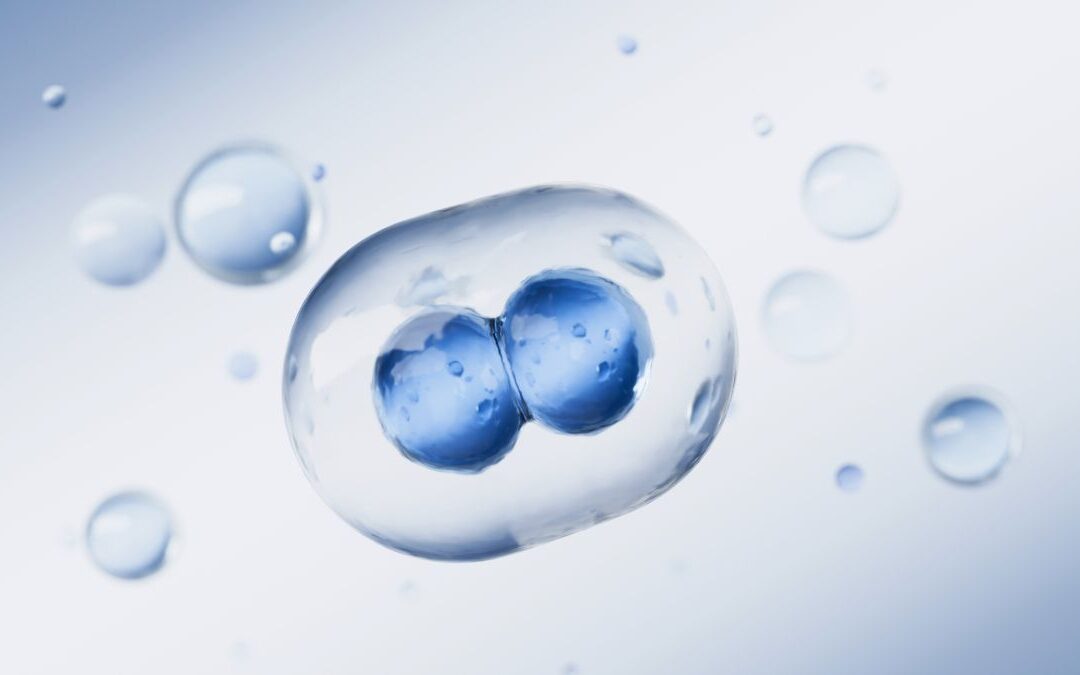
After fertilisation, the embryo undergoes a series of rapid cell divisions as it travels toward the uterus. These early cleavage stages rely heavily on mitochondrial energy production and tightly regulated metabolic signalling. Thyroid hormones influence mitochondrial activity and cellular energy metabolism, meaning iodine status contributes to the metabolic environment that supports early embryonic development during these first stages of cell division.
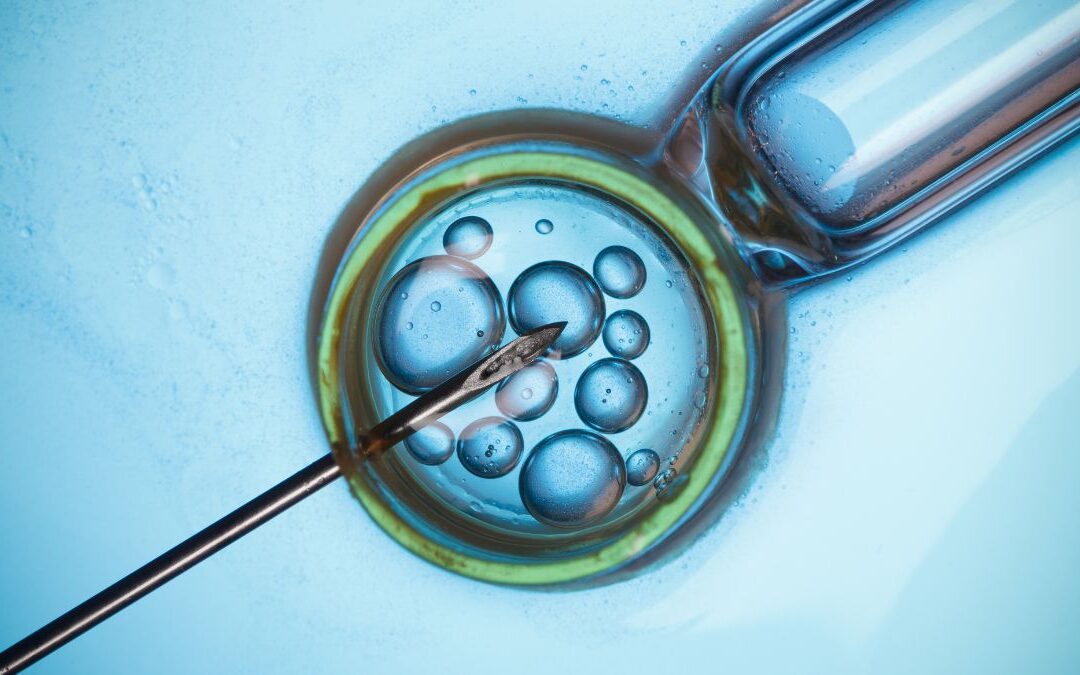
Early embryonic development also reflects processes that fertility clinics observe directly during IVF. After fertilisation, embryos are monitored as they divide from one cell into two, four and eight cells during the first days of development. These early cleavage divisions depend heavily on mitochondrial ATP production and tightly regulated metabolic signalling. Because thyroid hormones influence mitochondrial activity and cellular energy metabolism, iodine status contributes to the metabolic environment that supports these earliest stages of embryonic development.
The same metabolic environment also influences the follicles that develop in the ovary before ovulation or IVF retrieval. Each follicle contains granulosa cells that provide metabolic and hormonal support to the developing egg. These cells rely on mitochondrial energy production to sustain follicle growth and maturation. Thyroid signalling helps regulate this cellular metabolism, meaning iodine status can influence the physiological environment in which follicles develop.
During IVF treatment this becomes visible through ovarian response. Ovarian stimulation aims to support the growth of multiple follicles so that several eggs can be collected. Follicular development depends on coordinated hormonal signalling and adequate cellular energy supply. For this reason thyroid function is routinely assessed in fertility care, as stable thyroid signalling helps maintain the metabolic conditions that support follicle maturation and early embryo development.
After ovulation and fertilisation, coordinated hormonal signalling continues to guide the preparation of the uterine lining for implantation. Fertility therefore depends on a sequence of events that begins months before ovulation and continues through the early stages of pregnancy.
Through these pathways, iodine contributes to the physiological environment that supports egg maturation, sperm development, ovulation timing and the conditions required for implantation.
Food Sources of Iodine
Iodine enters the body through food, with the richest natural sources coming from the sea. Marine foods accumulate iodine from seawater, which makes fish and shellfish among the most reliable dietary sources.
White fish such as cod, haddock and pollock are particularly rich in iodine, while other seafood including prawns, mussels and crab also contribute meaningful amounts.
Eggs are another useful source of iodine. Because they are widely used in fertility meal plans, they often provide a steady background supply of iodine within everyday eating patterns.
Sea vegetables such as nori, wakame and kelp contain very high concentrations of iodine. Even small amounts can therefore contribute iodine to the diet.
In practical terms, diets that include seafood and eggs regularly tend to provide more iodine than diets built largely around ultra-processed foods. These whole foods therefore form the main dietary sources of iodine within fertility-supportive meal patterns.
Bringing Iodine Into Everyday Nourishment
A simple way to include iodine in everyday meals is to build one or two fish-based meals into the week.
For example, a dinner of baked cod served with vegetables and brown basmati rice provides a natural source of iodine alongside other nutrients that support metabolic and reproductive physiology.
Discover how easy it is to get all 15 essential nutrients into a single day with this free meal plan.

Antagonists of Iodine
Iodine availability within the body can be influenced by environmental exposures, dietary patterns and physiological stress. These factors affect how efficiently iodine reaches tissues, even when intake appears adequate.
Halogens that compete with iodine
Fluoride, chlorine and bromine belong to the same chemical family as iodine and can compete with iodine transport within the body.
Common sources of exposure include:
Fluoride
• Drinking water in fluoridated areas
• Toothpaste and mouthwash
Chlorine
• Treated tap water
• Swimming pools
Bromine / bromide compounds
• Some food processing agents used historically in bread production (largely restricted in the EU)
Dietary patterns
Ultra-processed food diets can reduce iodine availability because:
• These foods rarely contain natural iodine sources
• The salt used in manufacturing is typically non-iodised
Stress and inflammatory load
Chronic stress and systemic inflammation can influence endocrine signalling and metabolic regulation, which affects how nutrients involved in hormonal pathways are utilised.
Nutrient interactions
Iodine works alongside other nutrients involved in thyroid physiology. Inadequate levels of nutrients such as:
• Selenium
• Iron
• Zinc
can influence how effectively iodine-dependent pathways function within the body.
Synergists of Iodine
Iodine functions within a wider nutrient network that supports thyroid signalling and hormone production.
Selenium
Required for enzymes that convert thyroid hormones into their active forms and support thyroid signalling.
Iron
Needed for thyroid peroxidase activity, which enables iodine to be incorporated into thyroid hormones.
Why Nutrients Are Considered Together
Nutrients rarely act in isolation. Within the body they function as part of interconnected biological systems, where one nutrient supports the activity of another and multiple nutrients contribute to the same physiological pathways.
This is particularly true in reproductive physiology. Hormone signalling, follicle development, ovulation timing and early embryonic development rely on coordinated metabolic processes that draw on a range of nutrients working together.
For this reason, fertility nourishment focuses on patterns rather than single nutrients in isolation. Consistent nourishment allows the body to receive the building blocks it needs over time, supporting the biological systems that regulate reproduction.
Food supplies these nutrients gradually through everyday eating. Over time, this steady supply helps maintain the physiological environment that supports ovulation, conception and early pregnancy.
When Food Alone May Not Be Sufficient
Food is always the foundation of fertility nourishment. Whole foods such as seafood and eggs provide iodine alongside many other nutrients that support normal physiology.
Modern food systems, individual physiology, stress load, and increased reproductive demand can mean that—even with good nourishment—nutrient supply does not always meet tissue needs.
For those who want structured support alongside food, we offer fertility-focused supplements designed to work with nourishment, not replace it. Each product is selected for quality, formulation, and suitability for fertility physiology, and is intended to complement everyday eating rather than override it.
Nutrients rarely act in isolation. Within the body they function as part of interconnected biological systems, where one nutrient supports the activity of another and multiple nutrients contribute to the same physiological pathways.
This is particularly true in reproductive physiology. Hormone signalling, follicle development, ovulation timing and early embryonic development rely on coordinated metabolic processes that draw on a range of nutrients working together.
For this reason, fertility nourishment focuses on patterns rather than single nutrients in isolation. Consistent nourishment allows the body to receive the building blocks it needs over time, supporting the biological systems that regulate reproduction.
Food supplies these nutrients gradually through everyday eating. Over time, this steady supply helps maintain the physiological environment that supports ovulation, conception and early pregnancy.
At Now Baby we support fertility through physiology-led nourishment, translating complex biology into everyday food.
You can read about other essential nutrients for fertility here;